


 US Invites Putin to Miami G20, Opening Door to Trump Summit
  France Defends Netanyahu Airspace Clearance Despite ICC Warrant
  North Korea Warns South Korea Over US-Led Defense Role
  Gaza Faces Evacuation Crisis as War-Damaged Buildings Risk Collapse
  Netanyahu Defends Israel at UN as Delegates Stage Walkout
  Judge Orders Trump to Restore White House Access for CNN, MS NOW and Politico
  Trump, Xi Focus on Trade and AI at White House Summit
  EU Defence Build-Up Too Slow for 2030 Russia Readiness Goal
  Netanyahu Takes Aim at Mamdani as Israel Election Nears
  Abbas Reaffirms November 28 Palestinian Elections
  US Senate Rejects Iran War Powers Resolution in 50-49 Vote
  Mexico-US Trade Talks Delayed to October as Tariff Negotiations Continue
  Trump Asks Supreme Court to Restore Third-Country Deportations
  South Korea, US Discuss Warship Building Cooperation
  US, China Extend Trade Truce to Jan. 10 Ahead of Trump-Xi Summit
  Pezeshkian Says US Must Choose When Iran War Ends
  Ghana Says Western Support Growing for Slave Trade Reparations


 Add as a preferred source on Google
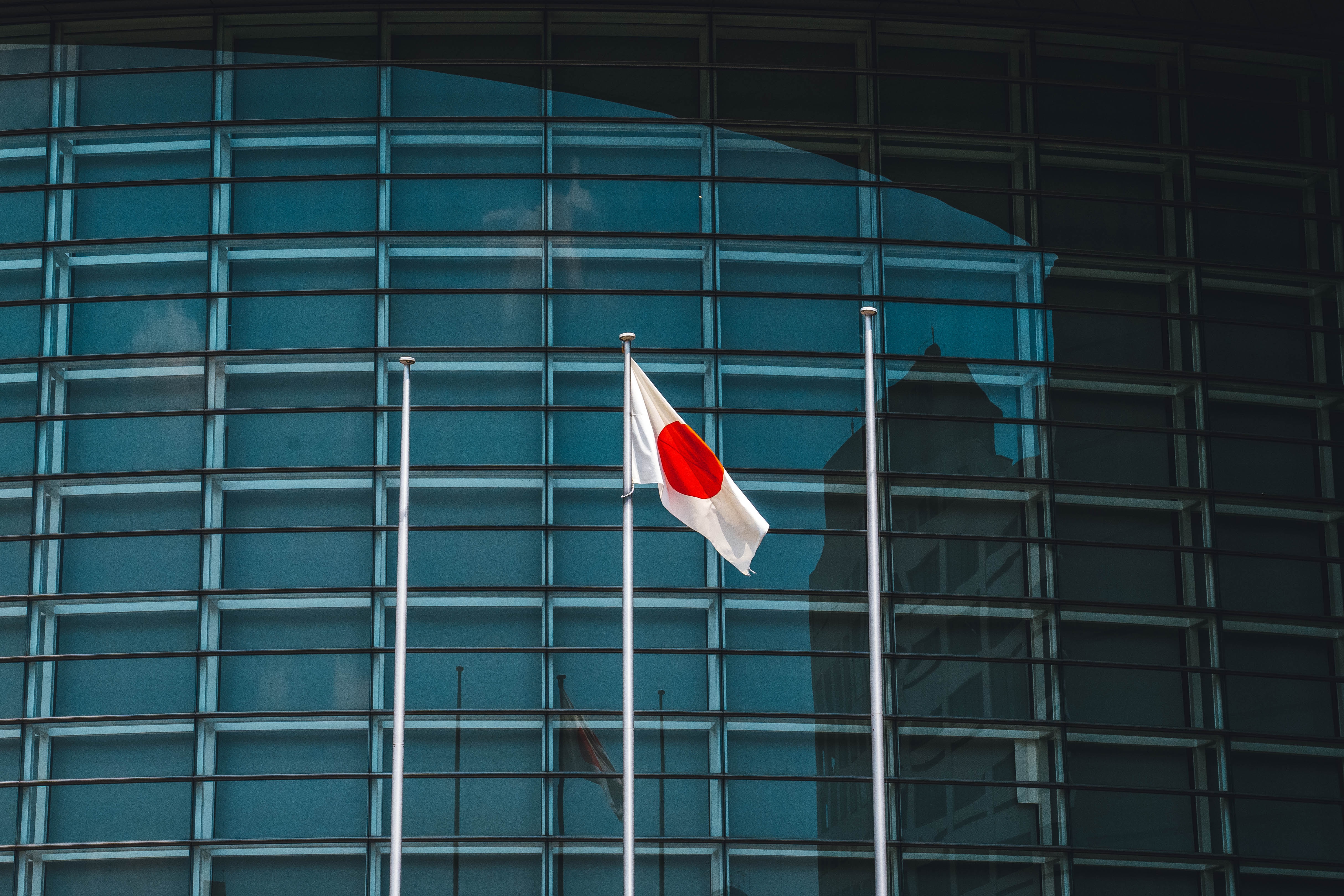
The Japanese government unveiled a plan this week to help countries that are near Ukraine to accept refugees. The move comes at a time when the G7 finance ministers started their three-day meeting to discuss the ongoing war, among other key issues.
Japanese finance minister Shunichi Suzuki announced on Thursday that Tokyo would unveil a plan to provide $1 billion to assist the countries that surround Ukraine in accepting refugees as the war approaches its 15th month. The funding would be provided by the state-owned Japan Bank for International Cooperation which usually offers assistance through lending, guarantees, and equity investment based on the financial needs of every project.
Suzuki said the new funding under the plan would be used to oversee investment by Japanese firms in those countries. Suzuki made the announcement in Niigata, Tokyo, where the finance ministers of the G7 countries are set to have their three-day meeting.
“We want to accelerate international cooperation needed to overcome difficulties the global economy faces,” said Suzuki.
Suzuki also said that the G7 would confirm the financial support for Ukraine that has been pledged so far and the effect of the International Monetary Fund support programs while bolstering coordination with multilateral development banks and funding the surrounding countries. The G7 is also expected to debate on how to prevent Russia from evading sanctions. Suzuki did not mention additional sanctions to be imposed on Moscow or further financial aid to Ukraine, however.
The JBIC signed a memorandum of understanding with Poland’s Bank Gospodarstwa Krajowego for mutual cooperation on energy security and climate change in Poland and in other countries neighboring Ukraine last year. Back in March, the JBIC signed an MOU with the Romanian finance ministry and Romania’s Eximbank to strengthen cooperation on similar issues as well.
On Wednesday, Japan’s Sankei newspaper reported that there would be talks between Japan, South Korea, and the United States on May 21, citing government sources familiar with the matter. The talks will take place on the last day of the G7 summit and aim to strengthen security cooperation and boost relations between Japan and South Korea.
Japanese Prime Minister Fumio Kishida and South Korean President Yoon Suk-yeol are expected to visit the memorial monument for the Korean victims of the atomic bombing in Hiroshima’s Peace Memorial Park.
Photo by Romeo A./Unsplash







