


 Asian Currencies Mixed as Dollar Holds Near Two-Month High
  Sudan Rejects US Legitimacy Remarks, Defends Sovereignty
  Soybean Futures Slip as Traders Await Trump-Xi Trade Signals
  Mexico-US Trade Talks Delayed to October as Tariff Negotiations Continue
  Asian Stocks Fall as Bond Yields Surge Ahead of Trump-Xi Summit
  Pezeshkian Says US Must Choose When Iran War Ends
  Netanyahu Takes Aim at Mamdani as Israel Election Nears
  Saudi Arabia, Turkey and Pakistan Plan Urgent Defence Talks Over Houthi Attacks
  South Korea, US Discuss Warship Building Cooperation
  US Stock Futures Fall as Treasury Yields Surge Ahead of Trump-Xi Summit
  U.S. Dollar Hits Two-Month High as Oil, Treasury Yields Surge
  What ‘Taiwan Independence’ Means as Xi Presses Trump on US Policy
  U.S. 10-Year Treasury Yield Hits 2007 High as Fed Rate Hike Bets Rise
  North Korea Warns South Korea Over US-Led Defense Role
  Japanese Bank Stocks Surge as Bond Yields Fuel Rate Hike Bets
  Fed Unveils Stablecoin Rules Under GENIUS Act
  Ukrainian Drone Attacks Hit Russian Regions, Injuring at Least 12


 Add as a preferred source on Google
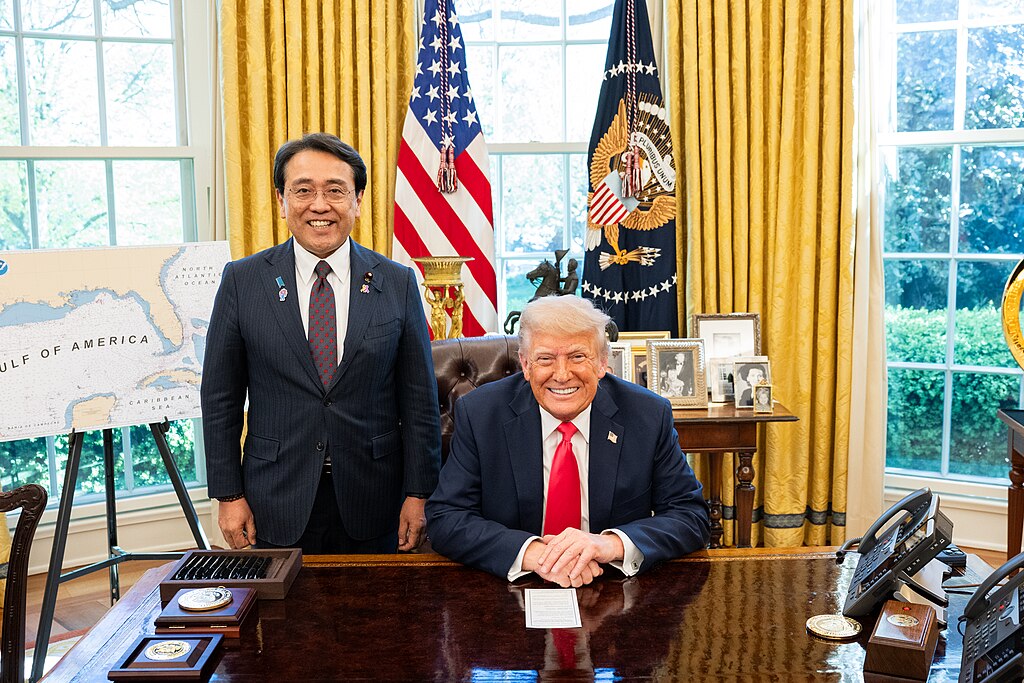
Japan’s top trade negotiator Ryosei Akazawa held “in-depth” phone discussions with U.S. Commerce Secretary Howard Lutnick on Thursday and Saturday, as both nations seek resolution before a 24% reciprocal tariff on Japanese imports is set to expire next week.
The Japanese government confirmed the exchanges, signaling continued coordination with the United States to avoid a potential trade escalation. The tariff suspension, originally agreed upon to ease tensions and support bilateral economic ties, will lapse unless a new agreement is reached in the coming days.
Akazawa, who also serves as Japan’s Economic Revitalization Minister, recently returned from ministerial-level negotiations in Tokyo where U.S. President Donald Trump joined the talks—highlighting the strategic importance of the issue. The talks are seen as pivotal for Japan’s export-dependent economy and for stabilizing trade relations with one of its largest partners.
Tokyo is pushing to prevent the reimposition of tariffs, which would impact a range of Japanese goods and industries. A 24% import duty could strain key sectors, from automotive parts to electronics, and risk disrupting supply chains amid global economic uncertainty.
The Japanese government reiterated its intent to “actively coordinate” with Washington to reach a mutually beneficial outcome. Observers note that maintaining tariff-free access to the U.S. market remains a top priority for Japan, especially as both countries navigate shifting trade dynamics and rising protectionist pressures.
The outcome of the negotiations could set the tone for future trade policy in the Asia-Pacific region, where Japan has positioned itself as a champion of free trade. With the tariff deadline approaching fast, attention now turns to whether diplomatic efforts can deliver a last-minute breakthrough.







