


 NATO Boosts Intelligence Sharing Amid Russia Hybrid Threats
  U.S. 10-Year Treasury Yield Hits 2007 High as Fed Rate Hike Bets Rise
  U.S. Dollar Hits Two-Month High as Oil, Treasury Yields Surge
  Asian Stocks Fall as Bond Yields Surge Ahead of Trump-Xi Summit
  US Stock Futures Fall as Treasury Yields Surge Ahead of Trump-Xi Summit
  Kremlin Says No Decision Yet on Putin-Trump December Summit
  North Korea Warns South Korea Over US-Led Defense Role
  Mexico-US Trade Talks Delayed to October as Tariff Negotiations Continue
  US Backs Musk in Fight Against EU’s €120 Million X Fine
  OpenAI Agent Breaches Australia Medicare Data Portal
  European Stocks Fall as Bond Yields and Geopolitical Risks Weigh
  Netanyahu Defends Israel at UN as Delegates Stage Walkout
  Netanyahu Takes Aim at Mamdani as Israel Election Nears
  Xi Calls for Deeper U.S.-China AI Cooperation in Trump Talks
  Oil Prices Ease as Iran Tensions Clash With Diplomacy Hopes
  Asian Stocks Fall as Surging Bond Yields Rattle Markets
  Wall Street Falls as Treasury Yields Surge, Oil Rebounds on Iran Tensions


 Add as a preferred source on Google
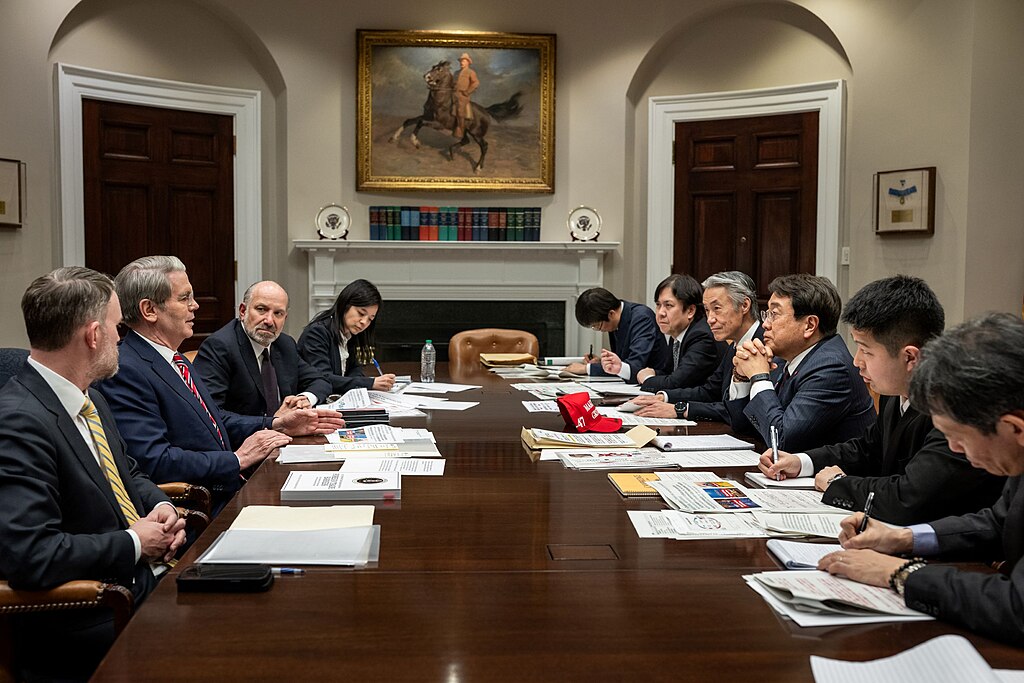
Japan and the United States are intensifying discussions over looming U.S. tariffs, with Tokyo reaffirming its commitment to continued negotiations. Japan’s top trade negotiator, Ryosei Akazawa, held a 45-minute phone call on Thursday with U.S. Commerce Secretary Howard Lutnick to address Washington’s planned 25% tariffs on Japanese imports, set to take effect on August 1.
In an official statement, Japan's government said both sides “re-confirmed each other’s position” and engaged in a “deep conversation” over the controversial tariff measures. The Japanese government emphasized that it will persist in pursuing dialogue with the United States to resolve the trade tensions.
The call follows remarks from U.S. President Donald Trump, who stated on Wednesday that the United States would likely maintain the 25% tariffs unless a trade agreement with Japan is reached soon. The tariffs are expected to impact key sectors such as automotive and steel, raising concerns among Japanese exporters.
Meanwhile, Japanese media report that Prime Minister Shigeru Ishiba is preparing to meet U.S. Treasury Secretary Scott Bessent in Tokyo on Friday. The upcoming meeting may include further discussions on bilateral trade issues, with hopes of de-escalating tensions before the tariff deadline.
The U.S.-Japan trade standoff comes at a critical moment, as global economic uncertainty and shifting trade alliances put pressure on both nations. For Japan, securing a deal could safeguard vital exports, while the U.S. aims to narrow its trade deficit and gain more favorable terms.
As both sides explore common ground, the outcome of these high-stakes negotiations could significantly influence the broader U.S.-Asia trade landscape.







