


 Russian Envoy Dmitriev Heads to US for Ukraine Talks
  EU Defence Build-Up Too Slow for 2030 Russia Readiness Goal
  Oil Prices Ease as Iran Tensions Clash With Diplomacy Hopes
  Abbas Reaffirms November 28 Palestinian Elections
  North Korea Rejects Nuclear Test Warning, Calls Nuclear Status Irreversible
  Russian Missile and Drone Attack on Kyiv Kills Two, Damages Maternity Hospital
  What ‘Taiwan Independence’ Means as Xi Presses Trump on US Policy
  NATO Boosts Intelligence Sharing Amid Russia Hybrid Threats
  North Korea Warns South Korea Over US-Led Defense Role
  U.S. Treasury Yields Surge as 30-Year Hits 22-Year High
  France Defends Netanyahu Airspace Clearance Despite ICC Warrant
  U.S. Dollar Hits Two-Month High as Oil, Treasury Yields Surge
  RBI Uses $10 Billion Currency Swaps to Drain Excess Rupee Liquidity
  OpenAI Agent Breaches Australia Medicare Data Portal
  South Korea, US Discuss Warship Building Cooperation
  Sudan Rejects US Legitimacy Remarks, Defends Sovereignty
  Netanyahu Defends Israel at UN as Delegates Stage Walkout


 Add as a preferred source on Google
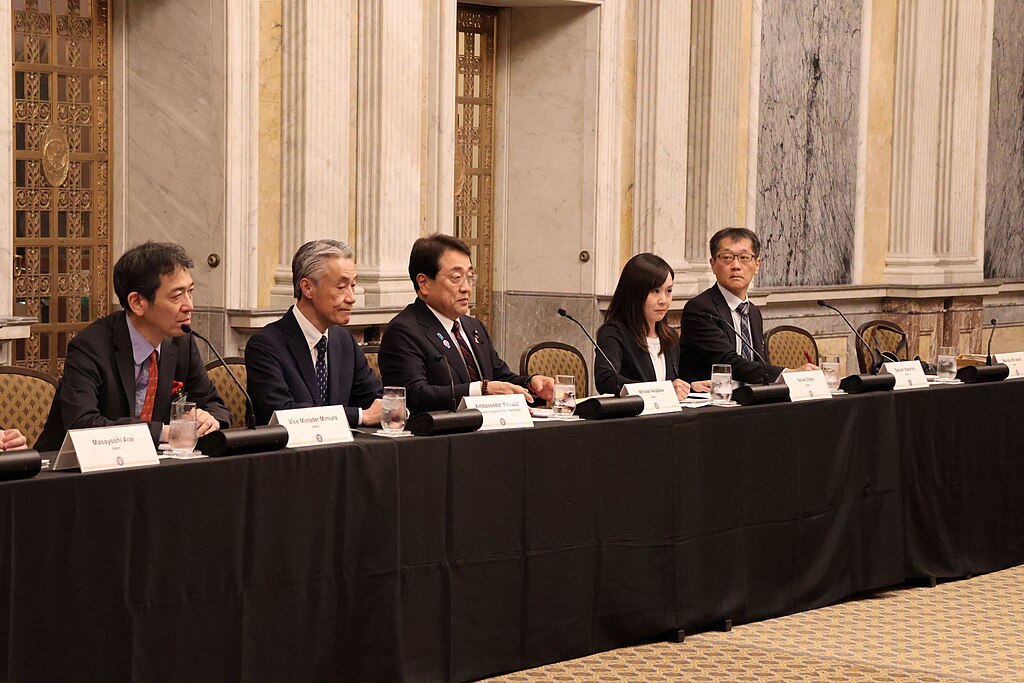
Japan reaffirmed its commitment to closely coordinate with the United States on foreign exchange policy as concerns grow over sharp movements in the yen, according to comments made Monday by Atsushi Mimura, Japan’s top currency diplomat. His remarks came amid heightened market speculation following reports of rate checks conducted by the New York Federal Reserve, which briefly triggered a sharp rise in the Japanese yen against the U.S. dollar.
Speaking to reporters, Mimura emphasized that Japan would continue to work closely with U.S. authorities in line with a joint Japan-U.S. statement issued in September last year. That agreement reaffirmed both countries’ support for market-determined exchange rates while acknowledging that foreign exchange intervention could be justified in cases of excessive volatility. Mimura stressed that Japan would “respond appropriately” based on this framework but declined to confirm whether recent market developments involved direct rate checks or signaled imminent intervention.
The yen’s sudden spike on Friday intensified speculation of potential coordinated action between Japan and the United States to stem the currency’s recent weakness. Market participants interpreted the reported rate checks as a warning signal, often seen as a precursor to official intervention. However, Mimura avoided commenting on whether such joint action was being considered, maintaining the government’s cautious and non-committal stance.
Japan’s Finance Minister Satsuki Katayama also refrained from addressing the reports directly. When asked about the alleged rate checks and the resulting yen movement, Katayama stated that there was nothing she could comment on, reinforcing the government’s consistent message of strategic silence.
Japanese officials have previously highlighted the significance of the September joint statement, noting that it marked the first time the United States formally acknowledged, in writing, Japan’s right to intervene in currency markets during periods of excessive volatility. This acknowledgment has been closely watched by investors as the yen remains under pressure amid global interest rate divergence and persistent strength in the U.S. dollar.
As currency markets remain sensitive to policy signals, Japan’s emphasis on coordination with the United States underscores its intent to balance market stability with adherence to international agreements, leaving investors alert to any signs of further action.







