


 What ‘Taiwan Independence’ Means as Xi Presses Trump on US Policy
  North Korea Warns South Korea Over US-Led Defense Role
  Abbas Reaffirms November 28 Palestinian Elections
  Japan Private-Sector Growth Slows as Domestic Demand Weakens
  Japanese Bank Stocks Surge as Bond Yields Fuel Rate Hike Bets
  Oil Prices Jump 3% as Houthi Attack Revives Supply Fears
  US Backs Musk in Fight Against EU’s €120 Million X Fine
  U.S. Dollar Hits Two-Month High as Oil, Treasury Yields Surge
  Trump, Xi Visit US National Archives After White House Summit
  China’s ‘Lipstick King’ Says AI Won’t Replace Livestream Hosts
  U.S. Treasury Yields Surge as 30-Year Hits 22-Year High
  Soybean Futures Slip as Traders Await Trump-Xi Trade Signals
  Najib Razak Seeks Stay of 15-Year 1MDB Prison Sentence
  Putin Says Ukraine Peace Proposals Remain on Table
  US Comfortable With Canada Trade Standoff as Import Bans Loom
  North Korea Rejects Nuclear Test Warning, Calls Nuclear Status Irreversible
  European Stocks Fall as Bond Yields and Geopolitical Risks Weigh


 Add as a preferred source on Google
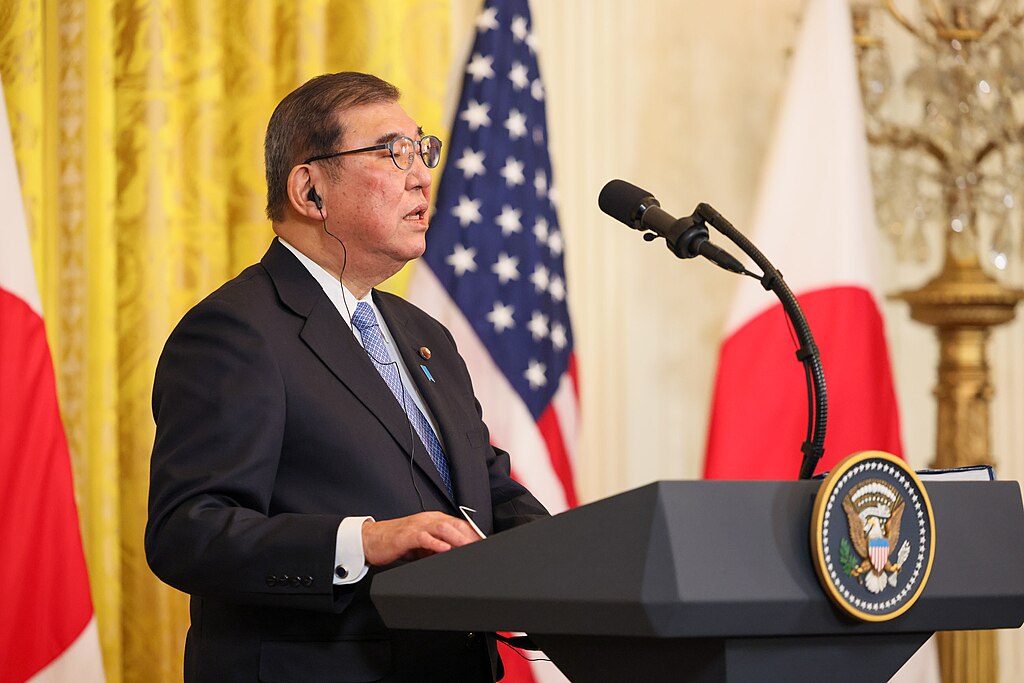
Japanese Prime Minister Shigeru Ishiba said Monday the government may compile an extra budget to offset economic pressures from U.S. tariffs, a move that could further strain Japan’s already fragile public finances.
Following a major defeat in last month’s upper house election, Ishiba’s minority coalition faces mounting pressure from opposition parties to boost spending and cut Japan’s sales tax. While not committing to a figure, analysts estimate the package could reach around 10 trillion yen ($67.7 billion), likely requiring additional debt issuance.
Ishiba told parliament the decision will depend on cross-party discussions, and if approved, the budget could be submitted during an extraordinary parliamentary session in September. The additional spending would add to the record 115.5 trillion yen budget for the current fiscal year, nearly a quarter of which is allocated to debt servicing. Rising interest rates from the Bank of Japan could push those costs even higher.
Japan’s recent trade agreement with U.S. President Donald Trump aims to ease tariffs on key exports, including automobiles, but the timing of a reduction from 25% to 15% on vehicles and parts remains unclear, clouding recovery prospects for the export-driven economy.
With inflation and rising food prices eroding household consumption, opposition parties have called for reducing or scrapping the sales tax, currently 10% (8% for food). However, Ishiba, known as a fiscal conservative, remains cautious as the levy helps fund ballooning social welfare costs for Japan’s rapidly ageing population.
Decades of large stimulus programs and soaring welfare expenses have left Japan’s public debt at 250% of GDP—the highest among major economies. Any new extra budget, while offering short-term relief, risks deepening long-term fiscal challenges as the nation struggles to balance economic support with fiscal sustainability.







