


 Soybean Futures Slip as Traders Await Trump-Xi Trade Signals
  Japanese Bank Stocks Surge as Bond Yields Fuel Rate Hike Bets
  US Stocks Face Jobs, Inflation Test as Fed Rate Hike Bets Rise
  US Stock Futures Fall as Treasury Yields Surge Ahead of Trump-Xi Summit
  Japanese Yen Rebounds as Trump Flags Currency Weakness
  Germany’s 2026 Growth Outlook Strengthens on Fiscal Spending
  Wall Street Ends Flat as Oil, Treasury Yields and Fed Jitters Rattle Markets
  Dollar Falls as Oil Eases, Yen Jumps on Intervention Signals
  Fed Unveils Stablecoin Rules Under GENIUS Act
  China Agrees to Buy 20 Million Tons of U.S. Coal
  Fed Unveils Stablecoin Rules Under GENIUS Act
  Europe’s AI Data Centre Boom Strengthens Case for Nuclear Power
  Oil Prices Fall on U.S.-Iran Hormuz Deal Hopes
  Dollar Holds Near Two-Month High as Yen Approaches 160
  U.S. Treasury Yields Surge as 30-Year Hits 22-Year High
  Gold Holds Near $4,275 as Rising Treasury Yields Fuel Fed Rate Hike Bets
  US Comfortable With Canada Trade Standoff as Import Bans Loom


 Add as a preferred source on Google
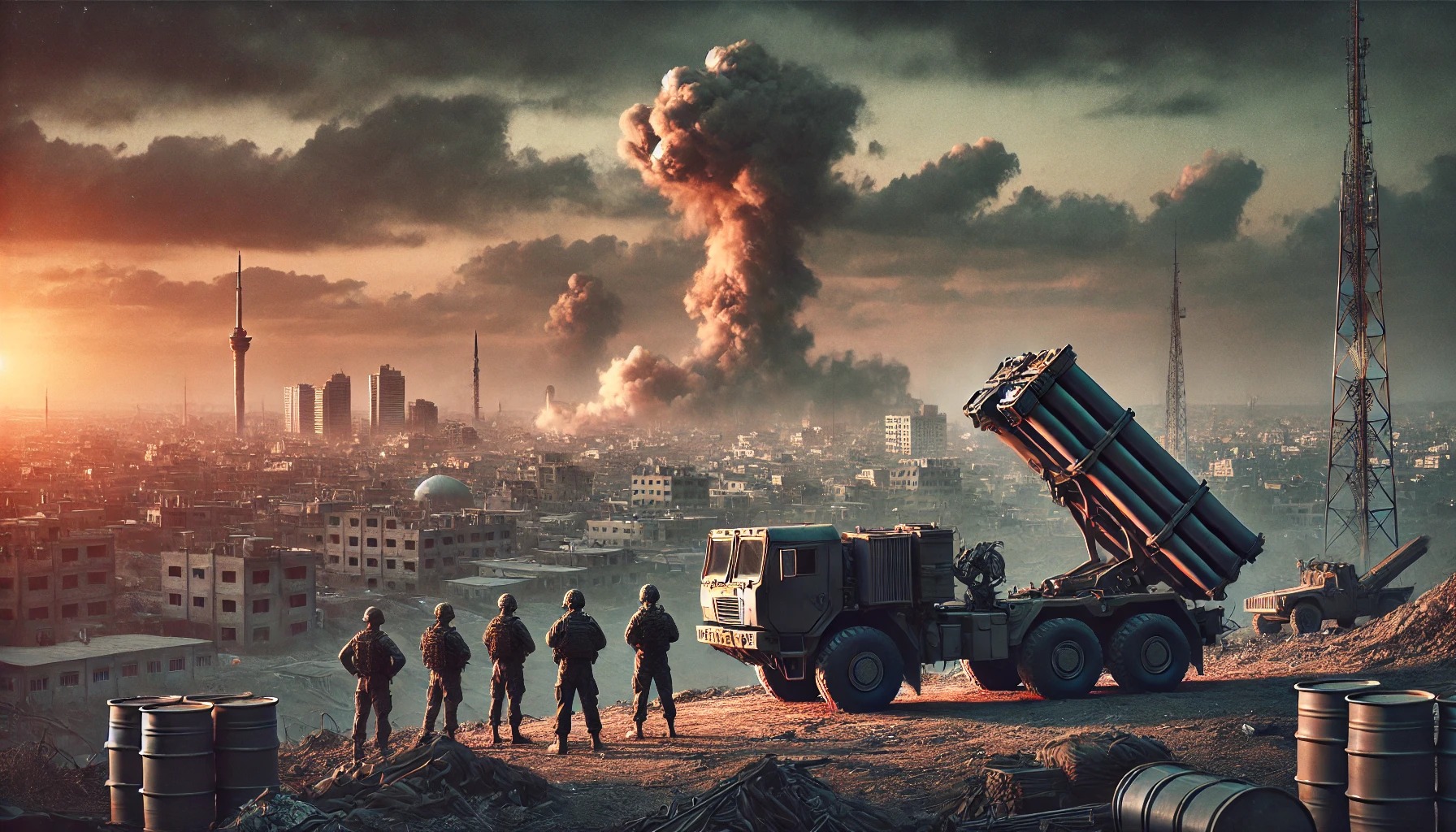
Israeli Prime Minister Benjamin Netanyahu vowed on Tuesday that Iran would “pay” for its missile attacks against Israel, prompting warnings from Tehran of "vast destruction" if retaliated against. This escalation has heightened concerns of a broader conflict in the Middle East.
The U.S. expressed full support for its ally Israel, while Iran's armed forces warned that any intervention by Israel’s allies would trigger an attack on their “bases and interests” in the region. Oil prices surged by 5% amid growing concerns of a wider conflict. The U.N. Security Council has scheduled a meeting on the Middle East for Wednesday.
Netanyahu stated, “Iran made a big mistake tonight – and it will pay for it,” following a security meeting. Iran’s Revolutionary Guard Corps said the assault was in response to Israel’s targeting of militant leaders and actions against Hezbollah in Lebanon and Gaza.
Concerns about a larger conflict have grown as Israel intensified its operations in Lebanon over the past two weeks, including the start of a ground campaign on Monday. On Tuesday, Iran launched more than 180 ballistic missiles at Israel, prompting alarms across the country, with explosions heard in Jerusalem and the Jordan River Valley. While Israeli air defenses intercepted most of the missiles, some struck central and southern Israel, damaging buildings but causing no injuries, according to officials.
The U.S. Navy deployed interceptors against the Iranian missiles targeting Israel, and President Joe Biden described the attack as “ineffective,” affirming full U.S. support for Israel. Israel’s U.N. Ambassador Danny Danon warned, “Iran will soon feel the consequences of their actions.”
Iran’s armed forces warned that any Israeli response would face "vast destruction" and threatened the regional assets of any Israeli ally. Iran claimed its operation targeted Israeli military facilities and urged U.N. intervention, while international leaders, including U.N. Secretary-General Antonio Guterres and EU foreign policy chief Josep Borrell, called for a ceasefire.
The conflict marks an escalation in a volatile region, with fears of an extended ground campaign involving Israel and Hezbollah, Iran’s most potent proxy force in the Middle East.







