


 Judge Orders Trump to Restore White House Access for CNN, MS NOW and Politico
  France Defends Netanyahu Airspace Clearance Despite ICC Warrant
  US Senate Rejects Iran War Powers Resolution in 50-49 Vote
  Gaza Faces Evacuation Crisis as War-Damaged Buildings Risk Collapse
  Trump Asks Supreme Court to Restore Third-Country Deportations
  Sudan Rejects US Legitimacy Remarks, Defends Sovereignty
  Netanyahu Defends Israel at UN as Delegates Stage Walkout
  Trump, Xi Focus on Trade and AI at White House Summit
  US Officials Split Over Response to Israeli West Bank Settlements
  North Korea Warns South Korea Over US-Led Defense Role
  Netanyahu Takes Aim at Mamdani as Israel Election Nears
  Pezeshkian Says US Must Choose When Iran War Ends
  EU Defence Build-Up Too Slow for 2030 Russia Readiness Goal
  Mexico-US Trade Talks Delayed to October as Tariff Negotiations Continue
  Yemen Violence Displaces 130,000 as Civilian Toll Rises
  North Korea Rejects Nuclear Test Warning, Calls Nuclear Status Irreversible
  Europe Warns Russia Is Escalating Hybrid Attacks Across NATO


 Add as a preferred source on Google
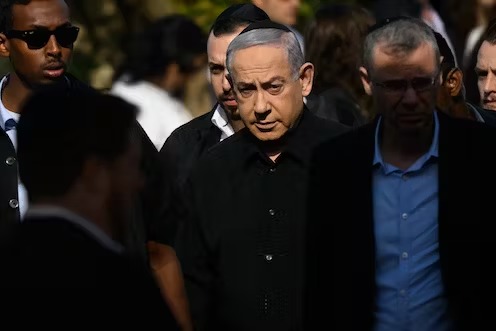
Israel has prepared for a potential weeks-long military campaign against Iran, signaling a significant escalation in Middle East tensions. According to Israeli military spokesperson Lieutenant Colonel Nadav Shoshani, the scope of the operation is expected to last several weeks, although the timeline could shift depending on developments on the ground and in the air.
Speaking during an online briefing on Tuesday, Shoshani said the Israeli military campaign against Iran is progressing positively so far. However, he emphasized that operational plans remain flexible as the situation evolves. While the conflict has intensified following coordinated air strikes by Israel and the United States since Saturday, the spokesperson downplayed the likelihood of deploying Israeli ground forces inside Iran.
“I don’t think that’s something very likely at the moment for Israeli forces,” Shoshani stated, adding that there is currently no practical plan for a ground invasion. Instead, the focus appears to remain on strategic air strikes targeting Iranian assets.
The ongoing Israel-Iran conflict has triggered retaliatory measures from Tehran, further heightening regional instability. The joint U.S.-Israel military action marks a notable development in the long-standing tensions between the two countries and raises concerns about broader geopolitical consequences.
Israeli Prime Minister Benjamin Netanyahu addressed the duration of the war, stating that the U.S.-Israel military operation against Iran could take “some time,” but clarified that it would not stretch into years. His comments suggest that while the campaign may be sustained, Israeli leadership does not anticipate a prolonged, multi-year conflict.
As air strikes continue and Iran responds, global attention remains fixed on the unfolding situation. Analysts warn that the trajectory of the Israel-Iran war will depend heavily on military developments, diplomatic efforts, and the broader regional response in the coming weeks.







