


 Trump Board of Peace Unveils $2.45 Billion Gaza Recovery Plan
  Trump Says U.S.-Iran Peace Deal Near After UN Talks
  Trump Administration Plans Faster FDA Reviews for Smoke-Free Nicotine Products
  US, China Extend Trade Truce to Jan. 10 Ahead of Trump-Xi Summit
  Russian Strikes Kill Eight Across Ukraine as Energy Sites Hit
  Trump Meets Venezuela’s Delcy Rodriguez at UN Assembly
  US Officials Split Over Response to Israeli West Bank Settlements
  Zelenskiy Warns Russia Preparing Major Attack on Ukraine
  Trump to Press Xi on Release of US Nuclear Expert Held in China
  Sudan Rejects US Legitimacy Remarks, Defends Sovereignty
  Venezuela Promises Elections as Delcy Rodriguez Pledges Democratic Transition
  Macron Challenges Trump’s Gaza Peace Claims at UN
  Macron, Trump Discuss Ukraine-Russia Energy Strike Moratorium
  Ghana Says Western Support Growing for Slave Trade Reparations
  US Invites Putin to Miami G20, Opening Door to Trump Summit
  Trump Says ‘Freedom’ Is Coming to Cuba
  Canada Unveils Bill to Fast-Track Major Resource Projects


 Add as a preferred source on Google
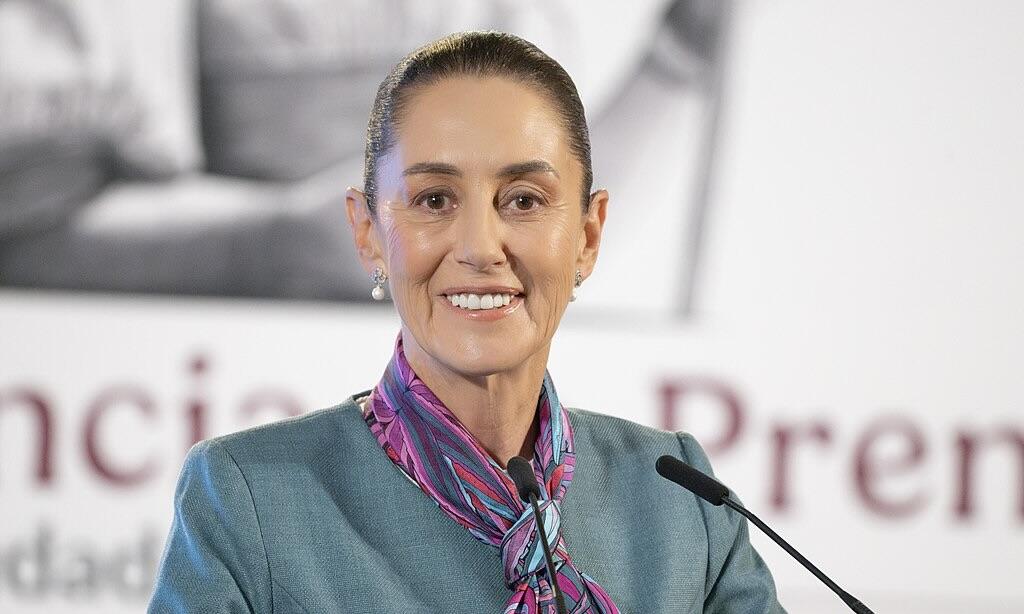
In a recent development, Mexican President Claudia Sheinbaum has firmly rejected claims that she agreed to close Mexico's borders to curb migration into the United States. This assertion came after U.S. President-elect Donald Trump announced that Sheinbaum had consented to halt migrant crossings through Mexico.
Contrasting Statements on Border Policy
Following a conversation between the two leaders, Trump stated that Sheinbaum had agreed to stop migration through Mexico, effectively closing the southern U.S. border. However, Sheinbaum refuted this, emphasizing that Mexico's approach focuses on respecting human rights and assisting migrants before they reach the U.S. border. She reiterated, "Mexico's position is not to close borders but to build bridges between governments and between peoples."
Implications for U.S.-Mexico Relations
Trump's announcement included plans to impose a 25% tariff on Mexican imports to pressure Mexico into reducing illegal immigration and drug smuggling. Sheinbaum's stance suggests potential friction in forthcoming diplomatic engagements. She emphasized collaboration without coercion, stating that Mexico aims to strengthen regional cooperation rather than resort to border closures.
Public Reaction
The contrasting narratives have ignited discussions on social media platforms:
-
@BorderWatcher: "Sheinbaum's refusal to close borders shows a commitment to human rights over political pressure."
-
@TradeAnalyst: "Trump's tariff threats could backfire, harming both economies. Diplomacy is key."
-
@HumanRightsAdvocate: "Building bridges, not walls. Applauding Mexico's humane approach to migration."
-
@PolicyCritic: "Mixed messages from leaders create uncertainty. Clear communication is essential."
-
@GlobalCitizen: "International cooperation should focus on root causes of migration, not punitive measures."
-
@EconomistView: "Tariff wars seldom end well. Hope cooler heads prevail in U.S.-Mexico talks."
Looking Ahead
As the U.S. prepares for a new administration, the dynamics of U.S.-Mexico relations remain in focus. Sheinbaum's commitment to a humanitarian approach to migration and emphasis on cooperation without coercion set the stage for complex negotiations. Observers worldwide are closely monitoring how these differing perspectives will influence policies affecting migration, trade, and bilateral relations.







