


 US, China Extend Trade Truce to Jan. 10 Ahead of Trump-Xi Summit
  Netanyahu Takes Aim at Mamdani as Israel Election Nears
  Judge Orders Trump to Restore White House Access for CNN, MS NOW and Politico
  Pezeshkian Says US Must Choose When Iran War Ends
  US Senate Rejects Iran War Powers Resolution in 50-49 Vote
  France Defends Netanyahu Airspace Clearance Despite ICC Warrant
  Trump Asks Supreme Court to Restore Third-Country Deportations
  Sudan Rejects US Legitimacy Remarks, Defends Sovereignty
  Taiwan Thanks US for Support Ahead of Trump-Xi Summit
  US Officials Split Over Response to Israeli West Bank Settlements
  Mexico-US Trade Talks Delayed to October as Tariff Negotiations Continue
  Russian Missile and Drone Attack on Kyiv Kills Two, Damages Maternity Hospital
  US Invites Putin to Miami G20, Opening Door to Trump Summit
  Gaza Faces Evacuation Crisis as War-Damaged Buildings Risk Collapse
  Abbas Reaffirms November 28 Palestinian Elections
  NATO Boosts Intelligence Sharing Amid Russia Hybrid Threats
  North Korea Rejects Nuclear Test Warning, Calls Nuclear Status Irreversible


 Add as a preferred source on Google
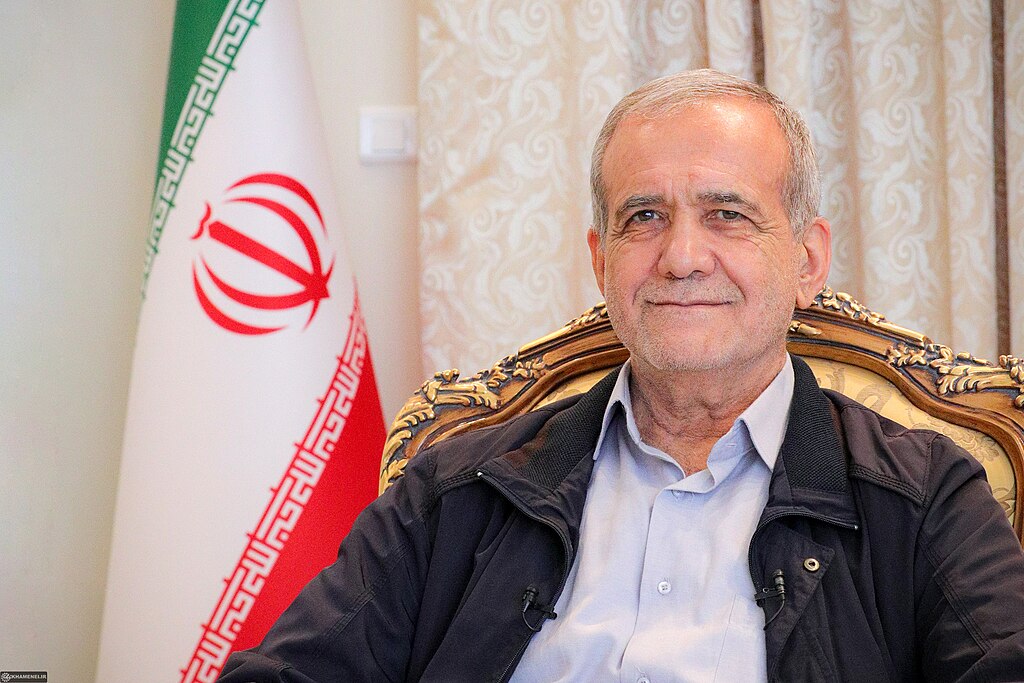
Iranian President Masoud Pezeshkian has written an open letter directed at ordinary American citizens, expressing that Iran holds no hostility toward the American people. The letter, reported by Press TV on Wednesday, comes amid longstanding tensions between Tehran and Washington, offering a rare moment of direct communication from Iranian leadership to the American public.
In his message, Pezeshkian pushed back against the prevailing narrative that frames Iran as a threat to the United States. He argued that such a portrayal does not align with historical facts or with what can be observed in the present day. The Iranian president's remarks appear aimed at drawing a clear distinction between political disagreements at the governmental level and the sentiments Iran holds toward everyday Americans.
The letter reflects a broader diplomatic signal from Tehran, suggesting a desire to separate people-to-people relations from state-level conflicts. By addressing American citizens directly, Pezeshkian appears to be reaching beyond political channels in an effort to reshape public perception of Iran's intentions on the global stage.
This kind of direct outreach is notable given the decades of strained relations between Iran and the United States, marked by sanctions, nuclear negotiations, and regional disputes. Iran has consistently maintained that its foreign policy positions are driven by national sovereignty and regional security concerns rather than animosity toward foreign populations.
Pezeshkian's letter adds to a series of diplomatic gestures from Iranian officials who have sought to reframe the country's international image. Whether the message gains traction among American audiences remains to be seen, but it underscores Tehran's interest in influencing how Iran is perceived beyond its borders, particularly among citizens who may hold views independent of their government's foreign policy positions.







