


 Trump Asks Supreme Court to Restore Third-Country Deportations
  Ghana Says Western Support Growing for Slave Trade Reparations
  US Backs Musk in Fight Against EU’s €120 Million X Fine
  Judge Orders Trump to Restore White House Access for CNN, MS NOW and Politico
  Trump, Xi Focus on Trade and AI at White House Summit
  South Korea, US Discuss Warship Building Cooperation
  Mexico-US Trade Talks Delayed to October as Tariff Negotiations Continue
  Xi Calls for Deeper U.S.-China AI Cooperation in Trump Talks
  Sudan Rejects US Legitimacy Remarks, Defends Sovereignty
  Netanyahu’s Brief US Trip Highlights Strains With Trump
  Taiwan Thanks US for Support Ahead of Trump-Xi Summit
  Yemen Violence Displaces 130,000 as Civilian Toll Rises
  Netanyahu Takes Aim at Mamdani as Israel Election Nears
  Netanyahu Defends Israel at UN as Delegates Stage Walkout
  What ‘Taiwan Independence’ Means as Xi Presses Trump on US Policy
  North Korea Rejects Nuclear Test Warning, Calls Nuclear Status Irreversible
  Abbas Reaffirms November 28 Palestinian Elections


 Add as a preferred source on Google
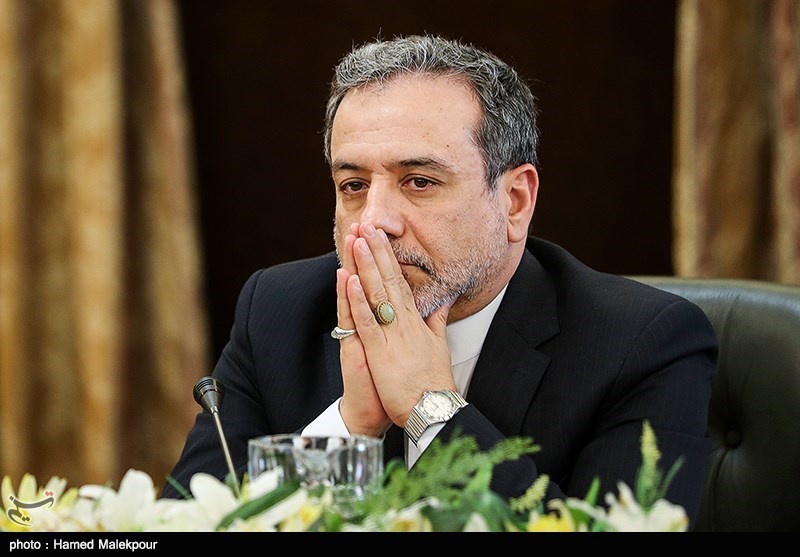
Iran will maintain cooperation with the International Atomic Energy Agency (IAEA) but under stricter oversight by its Supreme National Security Council, Foreign Minister Abbas Araqchi said Saturday. This follows a new Iranian law requiring council approval for nuclear site inspections, introduced after Israeli and U.S. airstrikes targeted Iranian nuclear facilities last month.
Araqchi emphasized security and safety concerns regarding site access, citing the potential spread of radioactive materials and unexploded munitions. “Inspectors’ safety and national security are key considerations,” he told diplomats in Tehran. While cooperation with the IAEA will continue, it will now be evaluated case-by-case.
Tensions between Tehran and the IAEA escalated after the agency accused Iran of violating the Nuclear Non-Proliferation Treaty just before the strikes. Iran insists its nuclear program is for peaceful purposes, rejecting Western claims of weapons development.
Araqchi reiterated Iran's refusal to accept any nuclear agreement that bans uranium enrichment. He stressed that future talks would be limited to nuclear issues, excluding discussions on Iran’s missile program or defense strategy.
In response to reports from Axios suggesting Russian President Vladimir Putin supported a no-enrichment deal, Iran’s Tasnim News Agency denied any such message from Moscow. Araqchi also warned that any attempt by the UK, France, or Germany to trigger the U.N. "snapback" sanctions mechanism under the 2015 nuclear deal would sever Europe’s role in ongoing nuclear diplomacy.
He added that Iran is reviewing the possibility of renewed negotiations with the U.S., but only with guarantees against future military threats. “We will not rush into talks without careful consideration,” he said, underlining Tehran’s demand for credible assurances.
This development comes as Iran’s nuclear policy faces renewed global scrutiny ahead of a key U.N. sanctions deadline in October 2025.







