


 US Officials Split Over Response to Israeli West Bank Settlements
  Mexico-US Trade Talks Delayed to October as Tariff Negotiations Continue
  Ghana Says Western Support Growing for Slave Trade Reparations
  Venezuela Promises Elections as Delcy Rodriguez Pledges Democratic Transition
  Europe Warns Russia Is Escalating Hybrid Attacks Across NATO
  Trump to Press Xi on Release of US Nuclear Expert Held in China
  Trump Meets Venezuela’s Delcy Rodriguez at UN Assembly
  Russian Envoy Dmitriev Heads to US for Ukraine Talks
  China Tightens Fentanyl Rules Ahead of Trump-Xi Summit
  Kremlin Says No Grounds Yet for Ukraine Peace Talks
  US, China Extend Trade Truce to Jan. 10 Ahead of Trump-Xi Summit
  OpenAI Agent Breaches Australia Medicare Data Portal
  Marco Rubio to Meet Russia’s Lavrov in New York
  Trump Administration Plans Faster FDA Reviews for Smoke-Free Nicotine Products
  Iran Vows ‘Crushing’ Response as US Talks Continue
  Trump Board of Peace Unveils $2.45 Billion Gaza Recovery Plan
  Trump Says ‘Freedom’ Is Coming to Cuba


 Add as a preferred source on Google
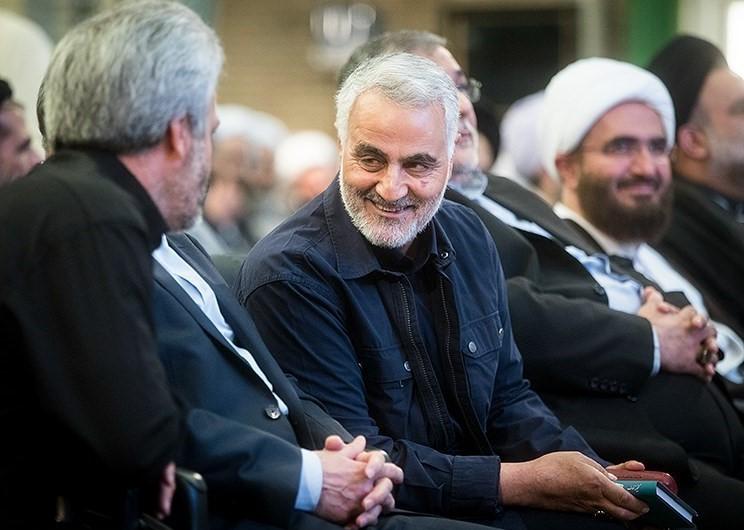
Iran has recently taken further action against the US for its assassination of top general Qassem Soleimani. Tehran has now added more US officials to a blacklist for Soleimani’s killing.
Al Jazeera reports that Iran has imposed sanctions on more US officials, many of which are from the military, and added them to its blacklist of individuals they say played a part in Soleimani’s assassination.
The Iranian foreign ministry made the announcement Saturday, revealing that 51 Americans are blacklisted in relation to the “terrorist act” of Soleimani’s killing as well as human rights violations. The announcement followed the second anniversary of Soleimani’s assassination.
Among those who have been targeted by the sanctions is Chairman of Joint Chiefs of Staff Gen. Mark Milley, US Central Command chief Kenneth McKenzie, some officials from the Pentagon, and commanders in US bases in the region. The sanctions are mostly symbolic in nature as those who have been named are thought not to have assets that could be seized by Iranian authorities.
The year before, Iran imposed sanctions on former President Donald Trump, who ordered the strike that killed Soleimani, his Secretary of State Mike Pompeo, and other administration officials who had a part in killing the top Iranian general in Baghdad. Iran has also sought the arrest of Trump through Interpol.
In the ceremony commemorating the assassination, Iranian President Ebrahim Raisi said that Trump, Pompeo, and others involved must be tried, and warned that Iran and its allies would seek revenge if it is not done. Tehran has also called on the UN General Assembly and the UN Security Council to take action against the US for Soleimani’s assassination.
In other related news, Iran’s foreign minister Hossein Amir-Abdollahian told Al Jazeera last week that Iran wants a guarantee from world powers that sanctions would not be reimposed if an agreement is to be reached over its nuclear program. This followed the eighth round of negotiations between Iran and western powers in an attempt to revive the nuclear deal. The US withdrew from the deal back in 2018 under Trump.
Iran has demanded that the world powers lift all sanctions and a guarantee that the US will not abandon the deal again.







