


 Trump, Xi Focus on Trade and AI at White House Summit
  Mexico-US Trade Talks Delayed to October as Tariff Negotiations Continue
  North Korea Warns South Korea Over US-Led Defense Role
  OpenAI Agent Breaches Australia Medicare Data Portal
  Ghana Says Western Support Growing for Slave Trade Reparations
  Netanyahu Defends Israel at UN as Delegates Stage Walkout
  Ukrainian Drone Attacks Hit Russian Regions, Injuring at Least 12
  Abbas Reaffirms November 28 Palestinian Elections
  US Senate Rejects Iran War Powers Resolution in 50-49 Vote
  North Korea Rejects Nuclear Test Warning, Calls Nuclear Status Irreversible
  EU Defence Build-Up Too Slow for 2030 Russia Readiness Goal
  Taiwan Thanks US for Support Ahead of Trump-Xi Summit
  Xi Calls for Deeper U.S.-China AI Cooperation in Trump Talks
  NATO Boosts Intelligence Sharing Amid Russia Hybrid Threats
  France Defends Netanyahu Airspace Clearance Despite ICC Warrant
  Sudan Rejects US Legitimacy Remarks, Defends Sovereignty
  What ‘Taiwan Independence’ Means as Xi Presses Trump on US Policy


 Add as a preferred source on Google
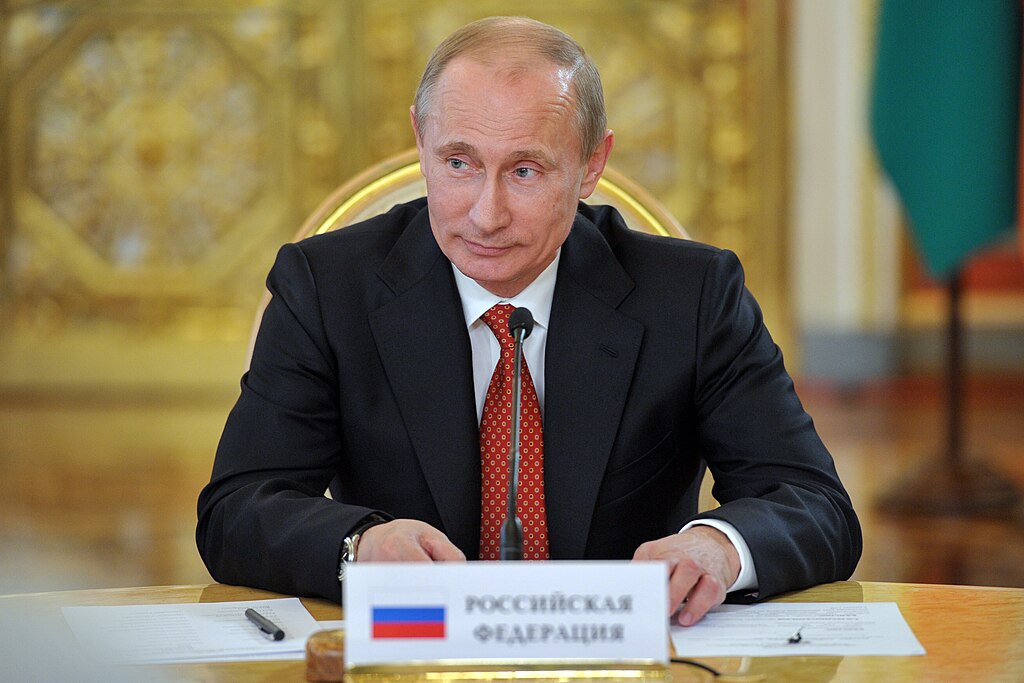
Russian President Vladimir Putin wrapped up nearly five hours of discussions at the Kremlin on Tuesday with U.S. President Donald Trump’s special envoy Steve Witkoff and Trump’s son-in-law Jared Kushner, according to the Kremlin press service. The rare, high-profile meeting centered on exploring possible paths to end the ongoing Ukraine conflict, which has become the deadliest war in Europe since World War II.
The talks drew significant international attention as both Washington and Moscow continue to navigate a highly volatile geopolitical landscape. While specific details of the negotiations were not publicly disclosed, the length of the meeting underscored the seriousness of the discussions and the renewed diplomatic engagement between the two countries. Analysts note that any dialogue involving senior figures close to former President Trump signals potential back-channel efforts aimed at conflict resolution, particularly as global pressure mounts for a long-term settlement in Ukraine.
Following the Kremlin meeting, Russia’s state news agency RIA reported that Witkoff traveled directly to the U.S. embassy in Moscow. His visit there suggests ongoing coordination with American officials as part of the broader diplomatic mission. The involvement of Kushner, a figure known for his previous international negotiation roles, further highlights the strategic weight of the talks.
With the Ukraine conflict continuing to cause massive humanitarian and economic strain, renewed diplomatic communication—especially between major global powers—remains critical. Although no official outcomes were announced, the meeting indicates a willingness to explore new approaches that could reduce tensions and potentially lay the groundwork for future negotiations. As global leaders and observers watch closely, any progress toward ending the conflict would mark a significant shift in international relations and security dynamics.
This development reinforces the importance of sustained diplomatic dialogue and highlights growing international interest in achieving stability and peace in the region.







