


 US, China Extend Trade Truce to Jan. 10 Ahead of Trump-Xi Summit
  Asian Stocks Fall as Surging Bond Yields Rattle Markets
  U.S. 10-Year Treasury Yield Hits 2007 High as Fed Rate Hike Bets Rise
  Mexico-US Trade Talks Delayed to October as Tariff Negotiations Continue
  U.S. Treasury Yields Surge as 30-Year Hits 22-Year High
  Dollar Holds Near Two-Month High as Yen Approaches 160
  Japanese Bank Stocks Surge as Bond Yields Fuel Rate Hike Bets
  China’s ‘Lipstick King’ Says AI Won’t Replace Livestream Hosts
  Japan Private-Sector Growth Slows as Domestic Demand Weakens
  Gold Prices Fall as Treasury Yields Rise on Fed Rate Hike Bets
  Gold Holds Near $4,275 as Rising Treasury Yields Fuel Fed Rate Hike Bets
  South Korea, US Discuss Warship Building Cooperation
  Wall Street Ends Flat as Oil, Treasury Yields and Fed Jitters Rattle Markets
  Fed Unveils Stablecoin Rules Under GENIUS Act
  Asian Stocks Fall as Bond Yields Surge Ahead of Trump-Xi Summit
  Fed Unveils Stablecoin Rules Under GENIUS Act


 Add as a preferred source on Google
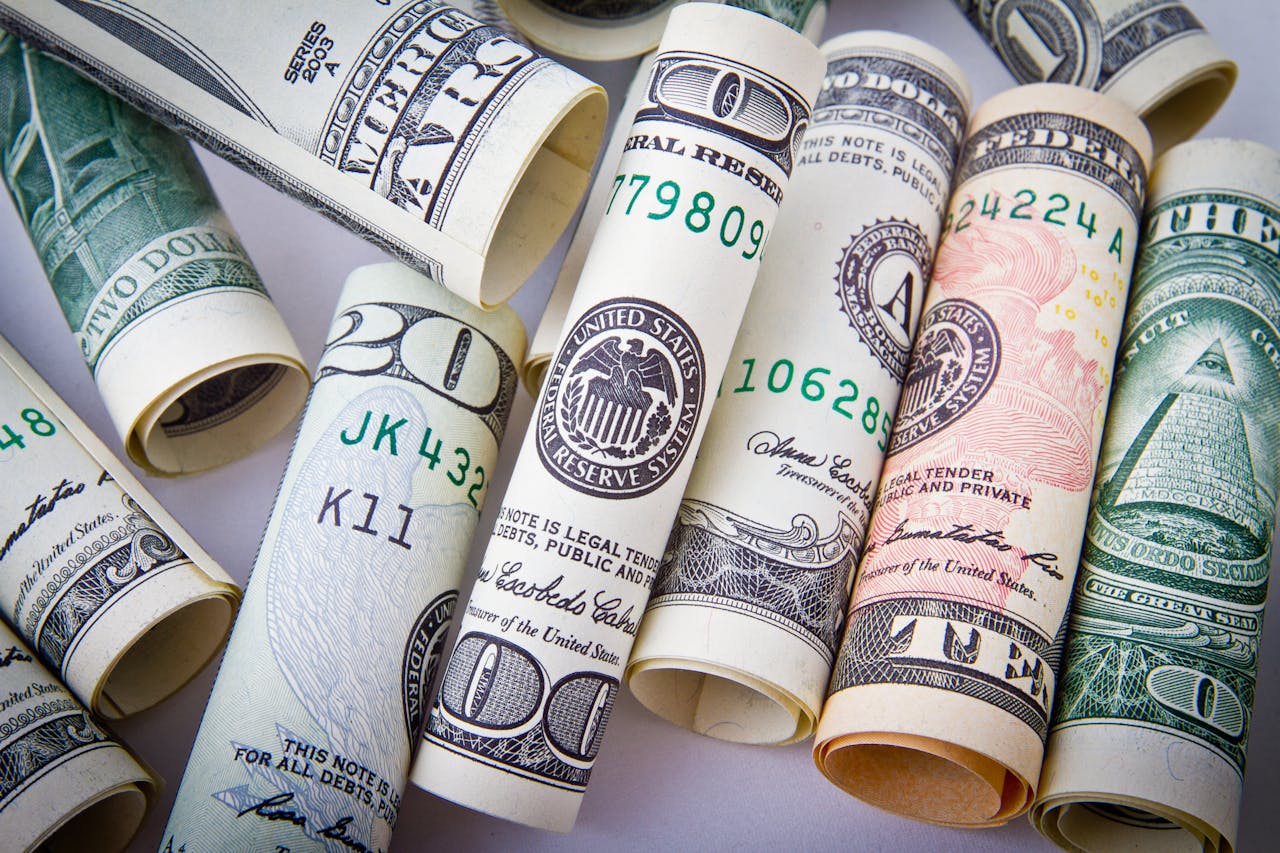
The U.S. dollar is staging a recovery this Monday as rising geopolitical tensions in the Middle East continue to rattle global financial markets. Renewed threats between Washington and Tehran are pushing investors toward safe-haven assets, lifting demand for the greenback while weighing on riskier currencies.
The dollar posted its first weekly loss since the U.S.-Israeli war on Iran broke out in late February, largely driven by surging oil prices that have forced major central banks into a more hawkish stance. The dollar index edged up 0.03% to 99.53, while the euro dipped to $1.1563 and sterling slipped to $1.3331. The Japanese yen traded at 159.11 per dollar.
Over the weekend, U.S. President Donald Trump threatened to target Iran's electricity infrastructure, while Iran vowed retaliatory strikes on energy and water systems across neighboring countries and signaled continued closure of the Strait of Hormuz — a critical artery for global oil shipments. These escalating threats have sharply dimmed hopes for a diplomatic resolution.
Currency strategists note that economies benefiting from higher energy prices are likely to outperform those facing an energy supply shock. The euro and yen remain particularly vulnerable if the conflict drags on, given both regions' heavy dependence on imported energy.
On the monetary policy front, the Federal Reserve held rates steady last week, with Chair Jerome Powell acknowledging uncertainty over the war's economic fallout. The European Central Bank and Bank of England also kept rates unchanged, though both flagged energy-driven inflation risks. The Bank of Japan left open the possibility of a rate hike as early as April.
Risk sentiment is broadly fragile. Japan's Nikkei futures pointed sharply lower, 10-year U.S. Treasury yields climbed to a near eight-month high of 4.41%, and Bitcoin slipped to $67,900. The Australian and New Zealand dollars also weakened against the greenback amid the cautious market mood.







