


 Netanyahu Defends Israel at UN as Delegates Stage Walkout
  Europe Warns Russia Is Escalating Hybrid Attacks Across NATO
  Sudan Rejects US Legitimacy Remarks, Defends Sovereignty
  Russian Envoy Dmitriev Heads to US for Ukraine Talks
  Netanyahu’s Brief US Trip Highlights Strains With Trump
  EU Defence Build-Up Too Slow for 2030 Russia Readiness Goal
  US Senate Rejects Iran War Powers Resolution in 50-49 Vote
  France Defends Netanyahu Airspace Clearance Despite ICC Warrant
  Abbas Reaffirms November 28 Palestinian Elections
  North Korea Rejects Nuclear Test Warning, Calls Nuclear Status Irreversible
  Kremlin Says No Decision Yet on Putin-Trump December Summit
  Trump Asks Supreme Court to Restore Third-Country Deportations
  Netanyahu Takes Aim at Mamdani as Israel Election Nears
  US Invites Putin to Miami G20, Opening Door to Trump Summit
  NATO Boosts Intelligence Sharing Amid Russia Hybrid Threats
  Trump, Xi Focus on Trade and AI at White House Summit
  US Backs Musk in Fight Against EU’s €120 Million X Fine


 Add as a preferred source on Google
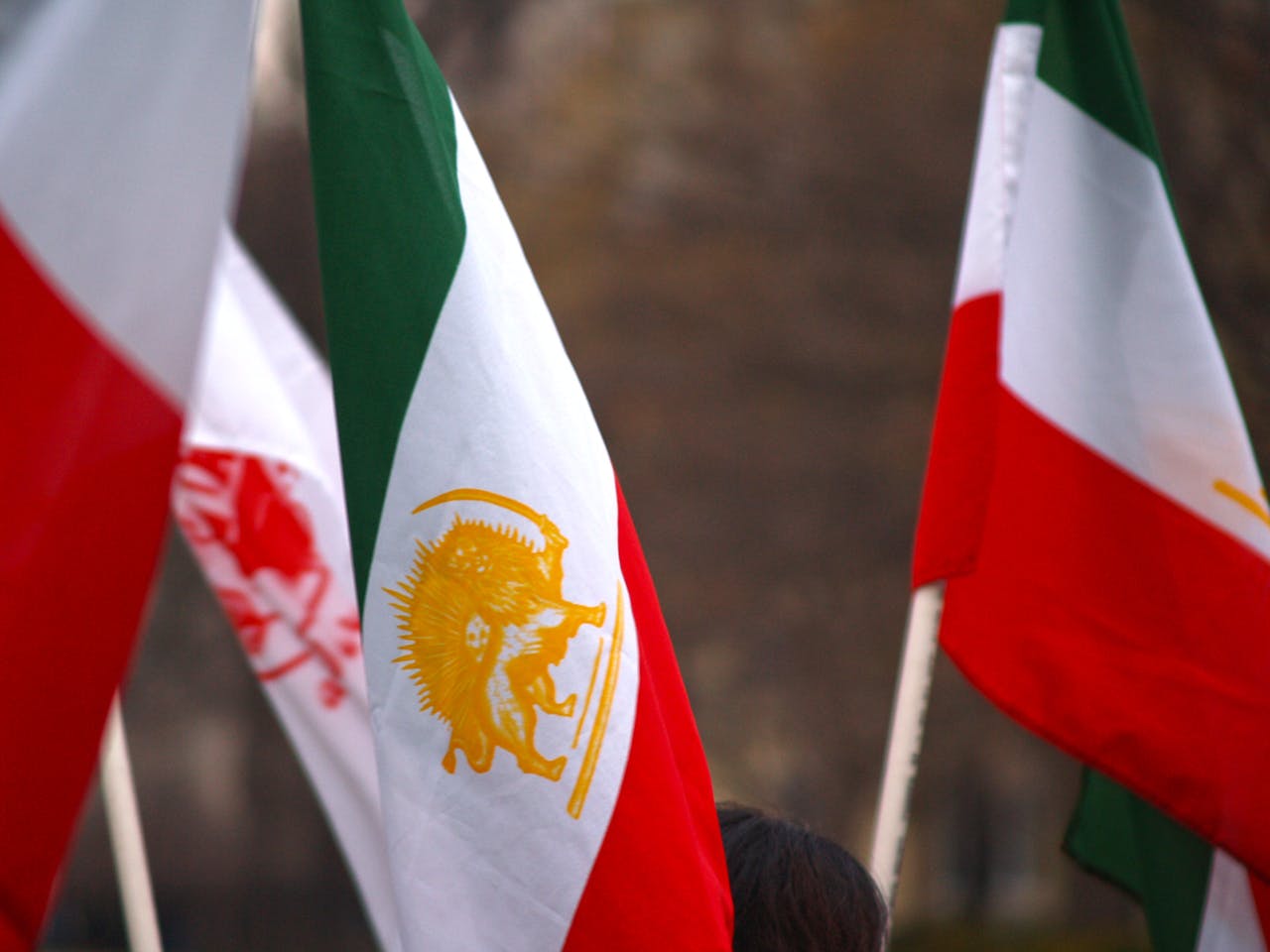
Iran and the United States are set to resume indirect nuclear negotiations in Rome on Saturday, with tensions mounting over Tehran’s atomic ambitions and President Donald Trump warning of potential military action if diplomacy fails. The talks, mediated by Oman, follow a constructive first round in Muscat and come amid renewed U.S. pressure under Trump’s revived "maximum pressure" campaign.
Iranian Foreign Minister Abbas Araqchi confirmed his arrival in Rome and expressed optimism about reaching an agreement, provided the U.S. adopts a realistic stance. However, Tehran has tempered expectations, with Supreme Leader Ayatollah Ali Khamenei stating he is "neither overly optimistic nor pessimistic" about the outcome.
President Trump reiterated his firm stance, saying, "They can’t have a nuclear weapon. I want Iran to be great and prosperous." Trump had previously abandoned the 2015 nuclear deal during his first term, reimposing harsh sanctions and escalating tensions.
Washington demands Iran stop enriching uranium at levels it views as weapons-grade. Iran, insisting its nuclear program is peaceful, has signaled willingness to accept limits in exchange for sanctions relief and firm guarantees against another U.S. withdrawal from any future agreement.
Since 2019, Iran has exceeded the 2015 deal's uranium enrichment thresholds, accumulating stockpiles beyond civilian energy needs. A senior Iranian official, speaking anonymously, outlined Tehran's red lines: no dismantling of centrifuges, no full halt to enrichment, no reduction below 2015 levels, and no discussions on missile defense.
Direct talks between the U.S. and Iran have not occurred since 2015. Despite a brief interaction between Araqchi and Trump’s envoy Steve Witkoff last week, Saturday's discussions will also proceed through intermediaries. Russia has offered to mediate, signaling global interest in resolving the decades-long nuclear standoff.







