


 NASA, Boeing Discuss Expanding Starliner Missions
  Westinghouse Targets $50 Billion Valuation in U.S. IPO
  SoftBank Launches $11 Billion Bond Sale to Fund OpenAI Investment
  SpaceX Nasdaq 100 Weight to More Than Double in Rebalance
  UK Markets Face Rising Volatility as Hedge Funds Target Pound and Gilts
  US Northeast Airports Resume Operations After Telecom Outage Disrupts Thousands of Flights
  Petrobras Joins Brazil Diesel Subsidy Program
  KiwiSaver shakeup: private asset investment has risks that could outweigh the rewards
  fnny Beta Launches With a Simple Idea: Find an Event, Show Up, Get Rewarded
  Wall Street Rebounds as Investors Eye Tariff Uncertainty, Jobs Report
  U.S. Banks Report Strong Q4 Profits Amid Investment Banking Surge
  Paramount Skydance Faces $30 Million Film Penalty in Warner Bros. Deal
  US Federal Register Drops Alibaba Qwen AI Search Tool
  Novo Nordisk Weighs Direct NYSE Listing to Boost U.S. Profile
  China's Refining Industry Faces Major Shakeup Amid Challenges
  FAA Allows Boeing to Sell 35 More 777F Freighters Beyond 2028
  Gold is meant to be a ‘safe haven’ in uncertain times. Why is it crashing amid a war?


 Add as a preferred source on Google
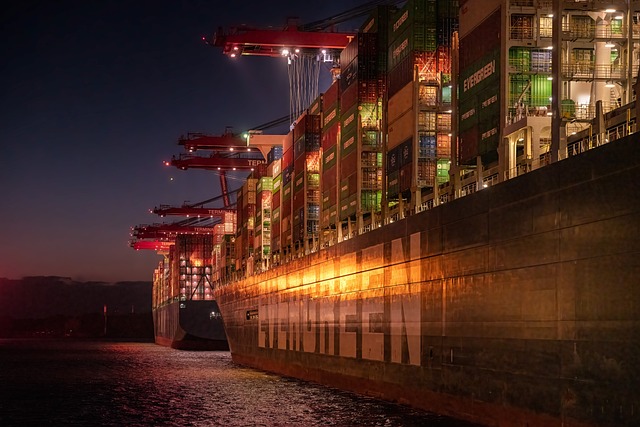
The U.S. Trade Representative's (USTR) office has deemed China's dominance in the shipbuilding, maritime, and logistics sectors as "unreasonable" and "actionable" under U.S. trade law. The findings stem from a Section 301 probe initiated in April 2024 by USTR Katherine Tai, following a request from U.S. unions, including the United Steelworkers. While the report does not recommend immediate penalties, it signals the need for swift action under President-elect Donald Trump’s administration.
The USTR report highlights Beijing’s strategic control over these industries, which undermines market-oriented competition, burdens U.S. commerce, and jeopardizes economic security. Tai emphasized the dramatic decline of the U.S. commercial shipbuilding sector, producing fewer than five ships annually compared to China’s 1,700. The findings also spotlight China's reliance on excess steel production, weak labor standards, and centralized control of digital logistics to maintain its dominance.
China’s embassy in Washington refuted the allegations, crediting the country's success to innovation, market competition, and domestic demand. Embassy spokesperson Liu Pengyu dismissed U.S. claims as baseless and economically irrational.
U.S. Senator Mark Kelly echoed the report's urgency, advocating for revitalizing U.S. shipbuilding through targeted legislation to counter China’s influence. United Steelworkers International President David McCall supported the findings, urging decisive action to protect American industries and workers.
The report underscores the need for the U.S. to bolster its supply chains and reclaim competitive ground in maritime industries, as China's dominance continues to challenge global trade dynamics.







