


 Netanyahu’s Brief US Trip Highlights Strains With Trump
  Netanyahu Takes Aim at Mamdani as Israel Election Nears
  EU Defence Build-Up Too Slow for 2030 Russia Readiness Goal
  Pezeshkian Says US Must Choose When Iran War Ends
  Russian Missile and Drone Attack on Kyiv Kills Two, Damages Maternity Hospital
  Netanyahu Defends Israel at UN as Delegates Stage Walkout
  Kremlin Says No Decision Yet on Putin-Trump December Summit
  Judge Orders Trump to Restore White House Access for CNN, MS NOW and Politico
  North Korea Warns South Korea Over US-Led Defense Role
  US Officials Split Over Response to Israeli West Bank Settlements
  France Defends Netanyahu Airspace Clearance Despite ICC Warrant
  OpenAI Agent Breaches Australia Medicare Data Portal
  Abbas Reaffirms November 28 Palestinian Elections
  Russian Envoy Dmitriev Heads to US for Ukraine Talks
  Taiwan Thanks US for Support Ahead of Trump-Xi Summit
  Trump Asks Supreme Court to Restore Third-Country Deportations
  North Korea Rejects Nuclear Test Warning, Calls Nuclear Status Irreversible


 Add as a preferred source on Google
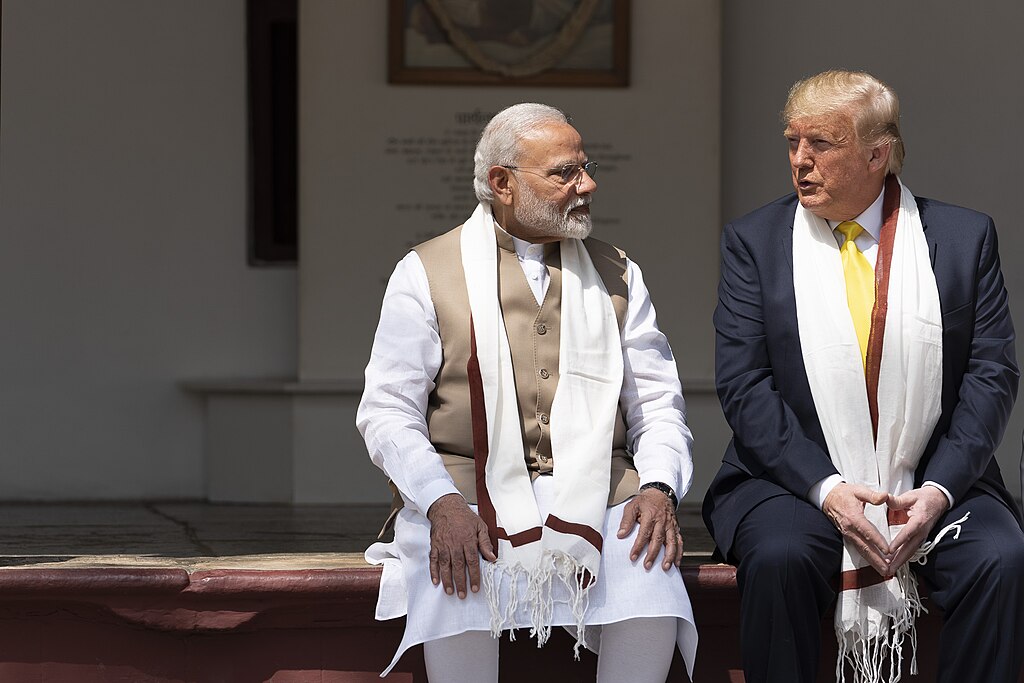
India is preparing to amend its nuclear liability laws to cap accident-related penalties for equipment suppliers, aiming to draw U.S. firms like General Electric and Westinghouse Electric into its expanding nuclear sector. The proposed changes, part of Prime Minister Narendra Modi’s plan to scale nuclear power capacity to 100 gigawatts by 2047, are expected to boost U.S.-India trade negotiations targeting $500 billion in bilateral trade by 2030.
A draft law by India’s Department of Atomic Energy seeks to remove a key clause in the Civil Nuclear Liability Damage Act of 2010, which currently holds suppliers liable for unlimited damages in case of nuclear accidents. The amendments would limit supplier liability to the contract value and set a specific timeframe for potential claims—aligning India’s stance with global norms that place primary responsibility on plant operators.
The original law stemmed from the 1984 Bhopal gas tragedy, a catastrophic industrial disaster involving U.S.-based Union Carbide, which paid $470 million in an out-of-court settlement. Since its enactment, the liability law has deterred Western firms, giving an edge to Russian and French suppliers backed by their governments.
India’s proposed reforms aim to revitalize its nuclear industry, offering a $58 million liability cap for small reactor operators while retaining the $175 million cap for larger facilities. The changes are anticipated to pass during the July monsoon session of Parliament.
Indian conglomerates such as Reliance Industries, Tata Power, Adani Power, and Vedanta are reportedly in talks to invest over $5 billion each in the sector, positioning nuclear energy as a key solution to India’s growing power demand and climate commitments. The reforms mark a strategic pivot to clean energy and deeper international cooperation.







