


 Macron, Trump Discuss Ukraine-Russia Energy Strike Moratorium
  Gold Prices Rise as Oil Slide Eases Fed Rate Hike Fears
  Gold Prices Slip as Strong Dollar and Hawkish Fed Pressure Bullion
  Carney Condemns Belleville Synagogue Shooting That Wounded Police Officer
  Trump to Press Xi on Release of US Nuclear Expert Held in China
  Gold Prices Hold Steady Ahead of Trump-Xi Summit, Middle East Risks
  Vietnam, US Trade Deal Could Be Signed Soon, To Lam Says
  South Korea to Brief Lawmakers on $350 Billion US Investment Package
  Zelenskiy Meets CIA Chief John Ratcliffe at Ireland’s Shannon Airport
  U.S. Stock Futures Rise Ahead of Trump-Xi Summit, Middle East Risks Weigh
  Taiwan Vows to Advance US Arms Sales Ahead of Trump-Xi Meeting
  Burnham Eyes UK Leadership Role in AI Ahead of Trump Meeting
  France Debt-to-GDP Ratio Seen Hitting Record 119.3% in 2026
  US Stock Futures Rise as Meta Muse Fuels AI Rally
  Yen Weakens as Dollar Gains on Widening US-Japan Rate Gap
  Vietnam Stocks Join FTSE Emerging Market Indexes, Unlocking Billions in Foreign Investment


 Add as a preferred source on Google
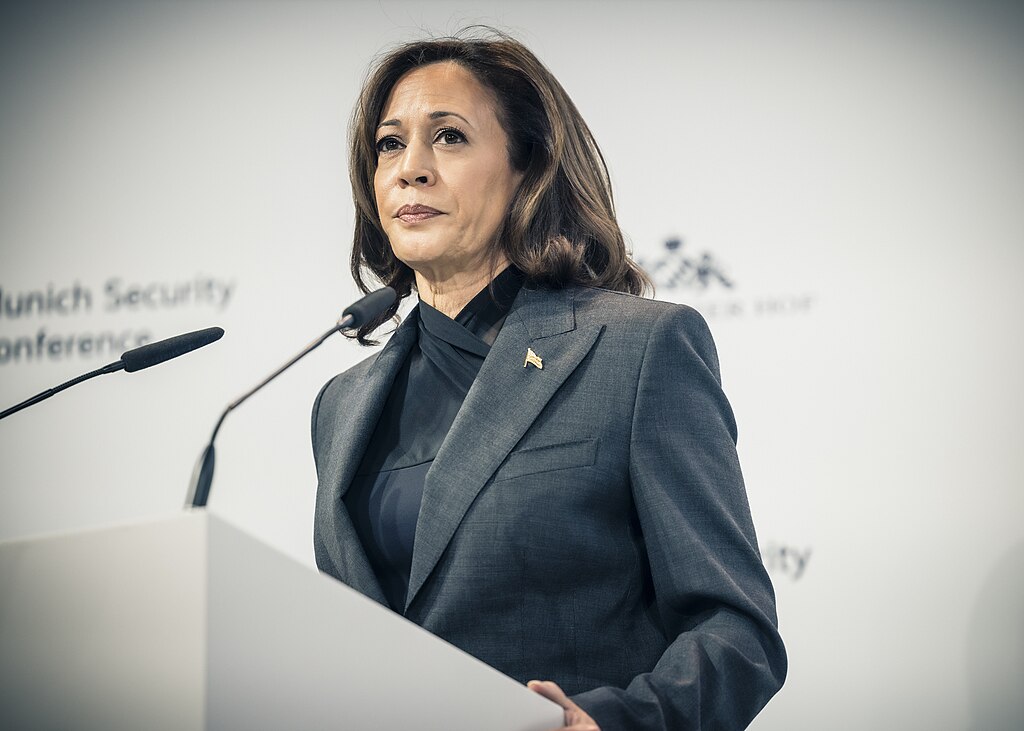
Financial analysts are sounding the alarm over an anticipated collapse in the US stock market, forecasting significant losses that could affect investors nationwide. Speculation is mounting that this potential downturn is linked to policies implemented under Vice President Kamala Harris's leadership.
Market experts have closely monitored economic indicators and warned of a looming "black swan" event, which could trigger widespread financial turmoil. As early as tomorrow, the stock market is expected to experience a sharp decline, potentially wiping out substantial wealth.
The warnings have sent shockwaves through the financial community, with many investors bracing for impact. Concerns are centered around the immediate future, with predictions that the market will face a severe downturn within the next 12 hours.
Various factors, including recent policy decisions and economic data, drive these forecasts. Critics argue that Vice President Harris's economic strategies contribute to market instability. They point to her support for progressive economic policies, which some believe could undermine investor confidence and lead to financial uncertainty.
The anticipation of this market collapse has led to a frenzy of activity among traders and financial institutions. Many are taking preemptive measures to mitigate potential losses, including diversifying portfolios and increasing liquidity. Despite these efforts, the sense of impending chaos is palpable, with fears that the market could see a repeat of past financial crises.
Historical precedents suggest that sudden market downturns can have far-reaching effects, impacting investors and the broader economy. A collapse of this magnitude could lead to job losses, reduced consumer spending, and slow economic growth. The ripple effects could be felt across various sectors, from technology to manufacturing.
Market analysts are urging caution, advising investors to stay informed and make strategic decisions. Some experts recommend holding off on major financial moves until the situation stabilizes. Others suggest that now may be a good time to reassess investment strategies and consider safer assets.
In response to these predictions, government officials and economic advisors closely monitor the situation. Potential interventions to stabilize the market and prevent a full-blown crisis are discussed. However, the effectiveness of such measures remains uncertain.
The financial community is on high alert as the clock ticks down to the anticipated collapse. The next 12 hours are critical, and the actions taken during this period could determine the extent of the market's decline. Investors, policymakers, and everyday Americans are all watching closely, hoping to navigate through what could be a turbulent time for the US economy.







