


 JPMorgan Cuts Gold Price Forecast, Sees Bullion Reaching $4,500 by End of 2026
  Trump Administration to Launch Voluntary AI Standards for Frontier Models
  Chinese Copper Foil Maker Londian Files U.S. IPO as EV Battery Demand Grows
  Sodexo Raises 2026 Revenue Outlook After Strong Q3 Sales Beat
  Super Micro Employees Detained in Taiwan AI Server Export Investigation
  Suncorp Cuts 2026 Premium Growth Forecast as Australia, New Zealand Markets Weaken
  Japan Signals Readiness to Act on Yen as Intervention Speculation Grows
  South Korea Warns Won Is Undervalued, Boosts FX Coordination With Japan
  U.S. Dollar Drops as Weak Jobs Data Boosts Fed Pause Bets, Yen Jumps on Intervention Talk
  Meta CEO Zuckerberg Says AI Agent Development Has Slowed Despite Massive AI Investment
  Samsung to Invest $90 Billion in South Korea to Expand AI Chip, Display, and Battery Production
  Mary Daly Says AI Uncertainty Clouds Fed Rate Outlook Despite Restrictive Policy
  New Zealand Consumer Confidence Rises in June as Inflation Expectations Ease
  Texas Man Charged After Fatal Tesla Full Self-Driving Crash in Katy
  Lockheed Martin Emerges as Frontrunner to Acquire Ultra Maritime in $3.5 Billion Defense Deal
  Apple Expands iPhone Lineup, Boosts Foldable iPhone Production Plans Through 2027
  Asian Currencies Stay Under Pressure as Dollar Holds Near 13-Month High Ahead of U.S. Jobs Report


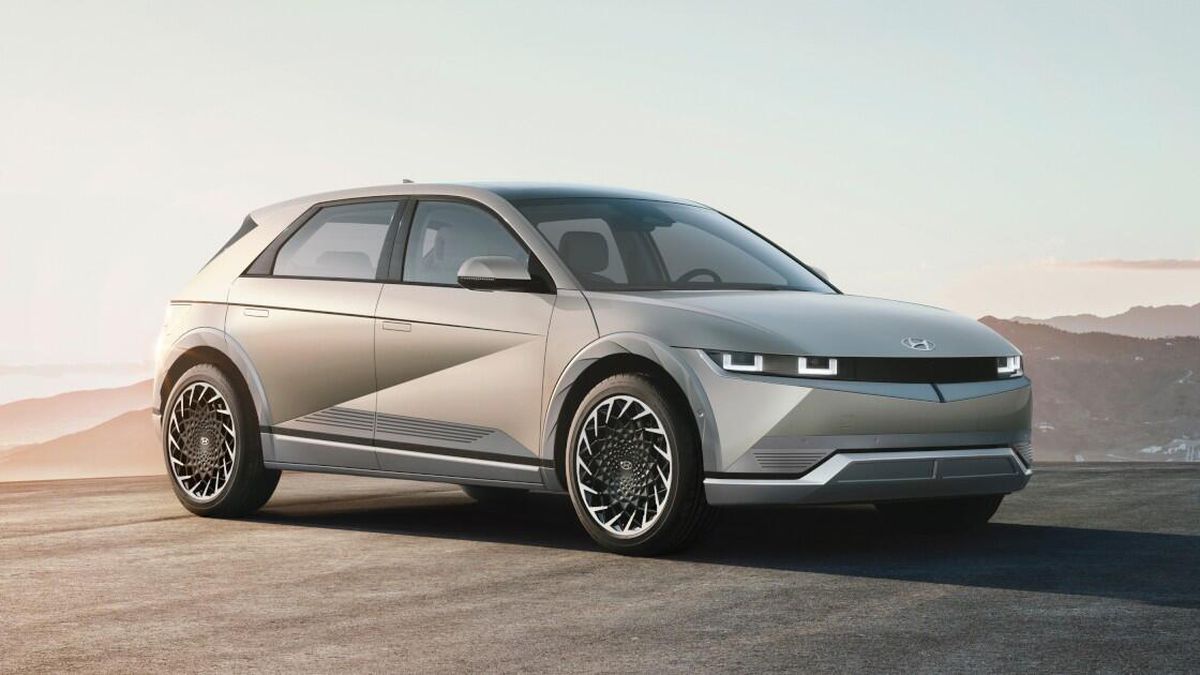
Hyundai Motor Co. will raise the ratio of electrified vehicles in global sales from the current 1.5 percent to 80 percent by 2040.
The company aims to initially raise the ratio of all-electric and hydrogen fuel-cell electric vehicles to 30 percent by 2030 and gradually replace its product lineup in Europe with hydrogen or battery-powered models by 2035 and in other major markets by 2040.
Hyundai plans to expand the hydrogen-powered vehicle lineup to three from the sole model Nexo, by adding a multi-purpose vehicle and a sport utility vehicle.
The automaker also plans to reduce its carbon emissions by 75 percent in 2014 from the 2019 levels and reach carbon neutrality in 2045.
Hyundai's hydrogen car sales jumped 44 percent to 5,300 units in the first seven months from 3,600 units a year earlier, surpassing those sold by Toyota Motor Corp.'s 4,100 and Honda Motor Co.'s 200 units.
Beginning 2025, Hyundai's independent Genesis brand will only sell hydrogen or battery-based models 2025 to meet changing market demand.
Hyundai's overall sales jumped 18 percent to 2.64 million vehicles in the January to August period, from 2.24 million units in the year-ago period.
The South Korean carmaker aims to boost its sales this year by 11 percent to 4.16 million vehicles from the 3.74 million units it sold last year.







