


 US, China Extend Trade Truce to Jan. 10 Ahead of Trump-Xi Summit
  Gold Prices Fall as Treasury Yields Rise on Fed Rate Hike Bets
  Trump, Xi Focus on Trade and AI at White House Summit
  US Stock Futures Fall as Treasury Yields Surge Ahead of Trump-Xi Summit
  China’s ‘Lipstick King’ Says AI Won’t Replace Livestream Hosts
  U.S. Dollar Hits Two-Month High as Oil, Treasury Yields Surge
  Mexico-US Trade Talks Delayed to October as Tariff Negotiations Continue
  Oil Prices Ease as Iran Tensions Clash With Diplomacy Hopes
  Wall Street Falls as Treasury Yields Surge, Oil Rebounds on Iran Tensions
  RBI Uses $10 Billion Currency Swaps to Drain Excess Rupee Liquidity
  US Dollar Hits Two-Month High as Fed Rate Hike Bets Rise
  Fed Unveils Stablecoin Rules Under GENIUS Act
  Oil Prices Jump 3% as Houthi Attack Revives Supply Fears
  European Stocks Slip as Iran Tensions Offset Strong Eurozone Data
  European Stocks Fall as Bond Yields and Geopolitical Risks Weigh
  U.S. Treasury Yields Surge as 30-Year Hits 22-Year High


 Add as a preferred source on Google
Asian currencies traded in a narrow range on Thursday as the U.S. dollar remained close to a 13-month high, with investors awaiting the closely watched U.S. nonfarm payrolls report for fresh clues on the Federal Reserve’s interest rate path.
Market sentiment continued to favor the greenback as expectations grew that the Federal Reserve could raise interest rates later this year. Those expectations were reinforced by hawkish remarks from newly appointed Fed Chair Kevin Warsh, who reaffirmed the central bank’s commitment to its 2% inflation target and signaled that policymakers would not be pressured into adopting a looser monetary stance. Warsh also emphasized the Fed’s independence despite repeated calls from President Donald Trump for lower interest rates.
The U.S. Dollar Index held near 101.39, remaining close to its strongest level since May 2025 after gaining momentum overnight. Investors are now focused on June’s U.S. jobs report, which is expected to show slower employment growth but still point to a resilient labor market. Strong payroll data could further strengthen the case for another Fed rate hike, especially after recent inflation readings remained elevated due to higher energy prices and rising semiconductor costs.
Across Asia, regional currencies continued to face pressure from the prospect of higher U.S. borrowing costs. The Japanese yen remained one of the weakest performers, with the USD/JPY pair hovering around 162.53, close to a 40-year low. Persistent yen weakness has kept traders alert for potential intervention by Japanese authorities. Recent reports indicate officials are considering a more targeted strategy aimed at deterring currency speculators while supporting the yen.
The South Korean won also remained under pressure, with the USD/KRW pair rising 0.2% even after June consumer inflation accelerated to its highest level in two and a half years. The stronger inflation data has increased expectations that the Bank of Korea could tighten monetary policy in the coming months.
Elsewhere, China’s yuan remained relatively stable as the People’s Bank of China continued setting conservative daily midpoint fixes. The USD/CNY pair edged down 0.1%, while the Singapore dollar was little changed against the U.S. dollar.
The Indian rupee strengthened modestly, with the USD/INR pair slipping 0.2% as easing oil prices provided support. Crude prices declined after the United States and Iran signaled progress in ongoing peace negotiations, offering relief to oil-importing Asian economies that remain vulnerable to energy price swings.
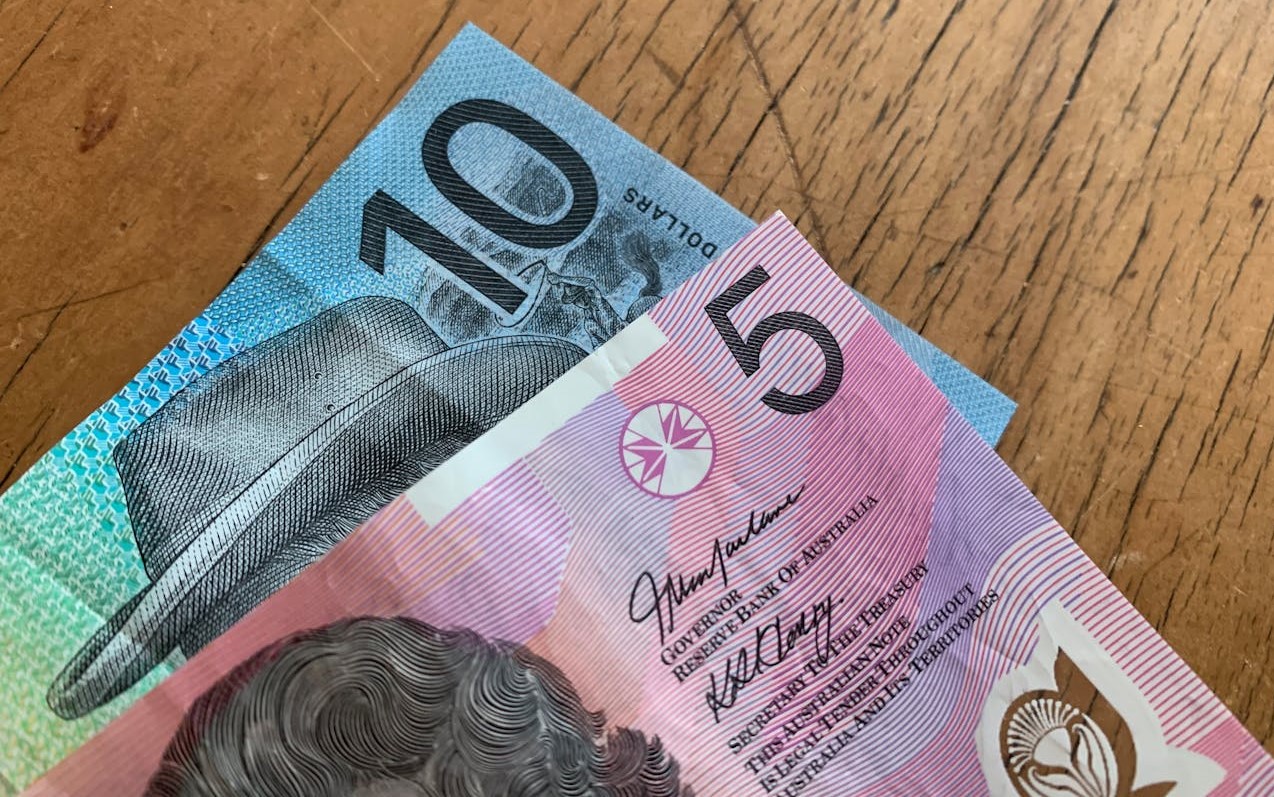
Meanwhile, the Australian dollar stayed near a three-month low after Australia unexpectedly recorded its largest trade deficit in 11 years during May. The weaker trade balance was largely driven by declining exports of gold and iron ore, reflecting softer global commodity demand amid heightened uncertainty surrounding interest rates and geopolitical tensions in the Middle East.
With the Federal Reserve’s next policy meeting approaching and U.S. labor market data set to shape interest rate expectations, traders are expected to remain cautious. The outcome of the payrolls report could determine the near-term direction of the U.S. dollar and Asian foreign exchange markets, particularly if employment figures once again exceed market forecasts.







