


 Vietnam, US Trade Deal Could Be Signed Soon, To Lam Says
  Carney Condemns Belleville Synagogue Shooting That Wounded Police Officer
  Taiwan Vows to Advance US Arms Sales Ahead of Trump-Xi Meeting
  UK, Mauritius Seek Diego Garcia Base Deal
  Trump Says U.S.-Iran Peace Deal Near After UN Talks
  Paramount-Warner Bros $110 Billion Deal Draws Antitrust Backlash
  Zelenskiy Meets CIA Chief John Ratcliffe at Ireland’s Shannon Airport
  Scott Bessent Eyed as Trump’s New AI Czar
  Trump Meets Venezuela’s Delcy Rodriguez at UN Assembly
  Macron Challenges Trump’s Gaza Peace Claims at UN
  Kremlin Says No Grounds Yet for Ukraine Peace Talks
  US, Japan and South Korea Back Taiwan Ahead of Trump-Xi Summit
  Macron, Trump Discuss Ukraine-Russia Energy Strike Moratorium
  Trump Administration Prepares Sanctions Against Entire ICC
  US Plans Two New Military Bases in Greenland Under Arctic Deal
  Russian Strikes Kill Eight Across Ukraine as Energy Sites Hit
  Trump Scales Back Endangered Species Act Protections


 Add as a preferred source on Google
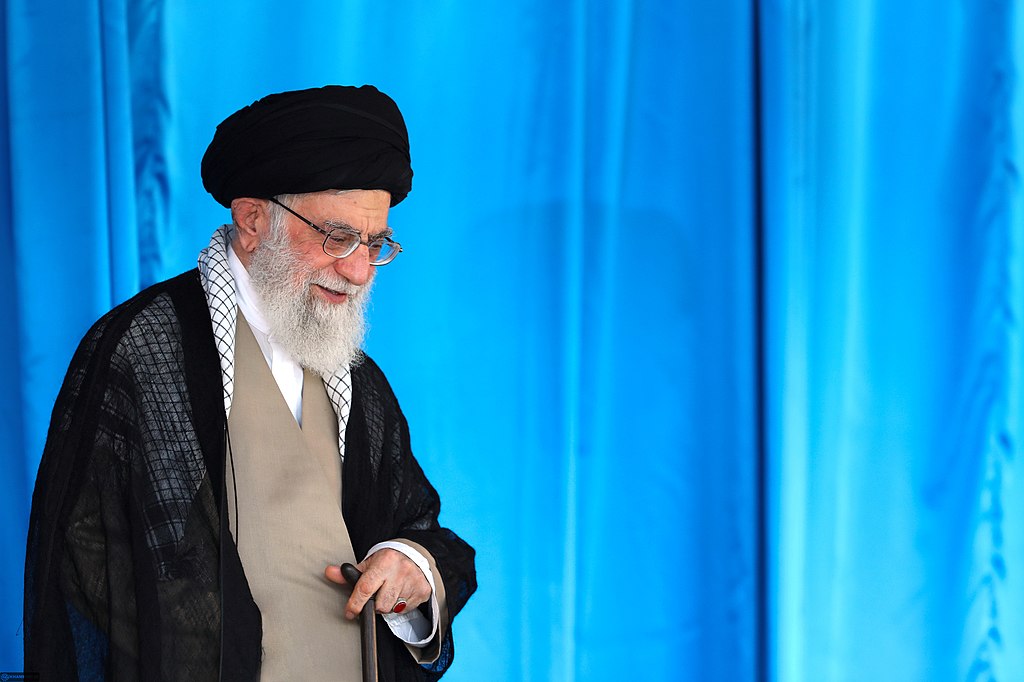
Millions of Iranians gathered in Tehran on Saturday for the state funeral of slain Supreme Leader Ali Khamenei, while authorities confirmed that his son and successor, Ayatollah Mojtaba Khamenei, would not lead funeral prayers because of heightened assassination concerns.
Iranian state media said three senior ayatollahs would instead preside over ceremonies in Tehran, Qom, and Mashhad. Mojtaba Khamenei, appointed supreme leader in March after being injured in the same U.S.-Israeli strikes that killed his father on Feb. 28, has not appeared publicly since assuming the role.
According to Iranian officials and reports citing members of the Islamic Revolutionary Guards Corps (IRGC), security advisers opposed his public appearance out of concern that Israel could track his movements or target him.
Thousands of mourners filled Tehran’s Grand Mosalla mosque, where Ali Khamenei’s flag-draped casket was displayed alongside family members killed in the attack. Iranian authorities expect as many as 20 million people to participate in funeral events through July 9, with the procession continuing through Qom, Iraq’s holy cities of Karbala and Najaf, before the burial in Mashhad.
Foreign Minister Seyed Abbas Araghchi said representatives from more than 70 countries attended the ceremonies, including delegations from Russia, Pakistan, Iraq, Türkiye, Saudi Arabia, Qatar, and Egypt. Iran declared a three-day public holiday, tightened security, and restricted airspace during the events.
Meanwhile, indirect Iran-U.S. nuclear negotiations mediated by Qatar and Pakistan remain ongoing despite recent tensions. The latest technical talks were held in Doha, with U.S. President Donald Trump describing the discussions as "very good." Iran claimed progress on releasing frozen assets, although U.S. officials denied any agreement had been reached. Another round of talks is expected on July 11 in Pakistan after the funeral concludes.
Regional tensions also remained elevated as Trump and Israeli Prime Minister Benjamin Netanyahu agreed to meet in Washington following the NATO summit in Turkey. Turkish President Recep Tayyip Erdoğan urged Israel not to derail diplomatic efforts, while Britain and France announced plans with Oman to safeguard navigation through the Strait of Hormuz. Iran criticized the move, warning against what it called the military involvement of outside powers in the strategic waterway.







