


 South Korea Alleges Google Abused Android App Store Dominance, Eyes Major Fine
  EU Chip Industry Faces Growing Risks From China Export Controls and U.S. Technology Dependence: Report
  Super Micro Employees Detained in Taiwan AI Server Export Investigation
  Switch Seeks $2 Billion Funding at Nearly $50 Billion Valuation Ahead of Potential IPO
  Chip Stocks Rally as Samsung and SK Hynix’s $1.3 Trillion Investment Plan Boosts AI Optimism
  Michael Burry Shorts Tesla at $416 as AI and Semiconductor Bearish Bets Expand
  Baige Online Shares Soar 333% in Hong Kong IPO Debut as AI Insurance Demand Lifts Chinese Listings
  Apple Challenges India Antitrust Probe, Says CCI Copied Rivals’ Claims in App Store Case
  South32 Sells Major Aluminium Assets to Alcoa in Deal Worth Up to $5.6 Billion
  Northern Star Appoints New CEO as Activist Elliott Pushes for Leadership Overhaul
  OpenAI Proposes 5% U.S. Government Stake Amid AI Policy Talks
  Lenovo Shares Slide as AI-Driven Memory Demand Signals Higher DRAM and NAND Prices
  SK Holdings, KKR Launch $1.3B Renewable Energy Venture in South Korea
  SoftBank’s LY Corp, Bain Raise Kakaku.com Bid to ¥670 Billion, Intensifying Takeover Battle
  Trump Reports $1.4 Billion in Crypto Income as Digital Assets Become Top Wealth Source
  Nvidia Stock Rises as SemiAnalysis Sees AI Data Center Revenue Beating Wall Street Forecasts
  Samsung to Invest $90 Billion in South Korea to Expand AI Chip, Display, and Battery Production


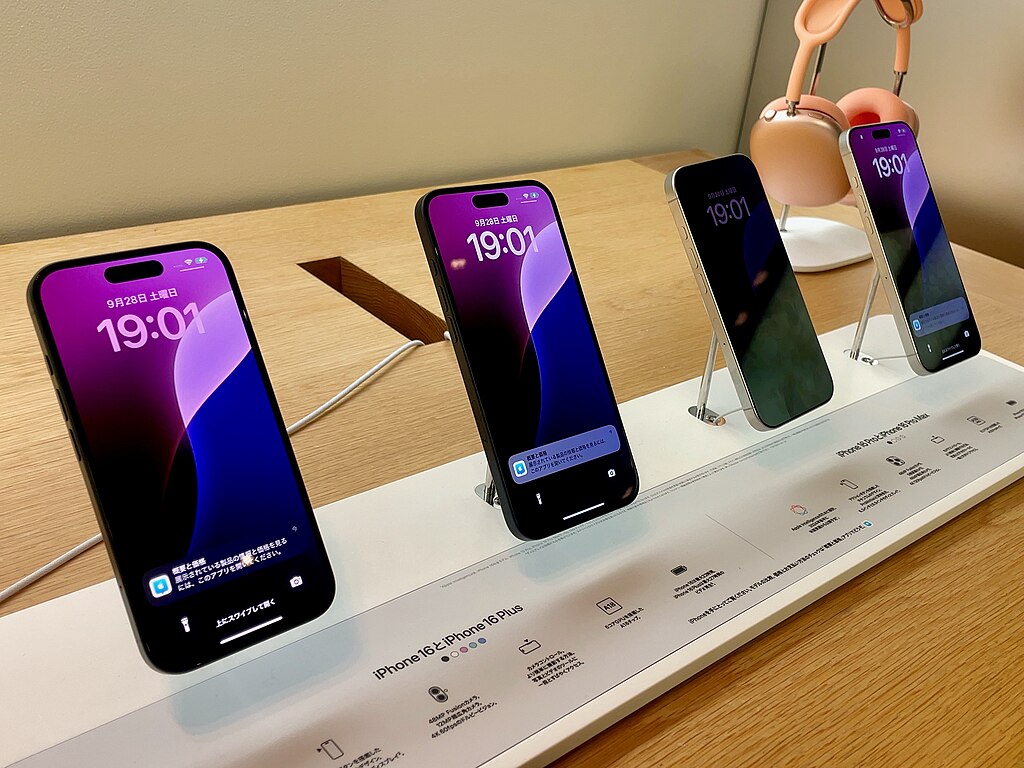
Apple is reportedly preparing one of its most ambitious iPhone product cycles in years, with plans to significantly expand its smartphone lineup through 2027 while increasing production targets for its highly anticipated foldable iPhone. According to a Nikkei Asia report published Thursday, the technology giant is aiming to strengthen its position in the premium smartphone market despite ongoing supply chain challenges and rising component costs.
The report said Apple intends to introduce at least five new iPhone models between the second half of 2026 and the first half of 2027. This broader product strategy reflects the company's effort to capture greater market share in the high-end smartphone segment while responding to changing consumer demand and increasing competition from rival manufacturers.
A key highlight of Apple's roadmap is its first foldable iPhone. The company has reportedly instructed suppliers to prepare production capacity for around 10 million foldable iPhone units this year, a notable increase from its previous forecast of 7 million to 8 million devices. The revised target signals growing confidence in the foldable smartphone category and Apple's commitment to entering a market currently dominated by Samsung Electronics and major Chinese smartphone makers such as Huawei Technologies.
Foldable smartphones have become one of the fastest-growing segments in the premium mobile industry, with manufacturers investing heavily in flexible display technology, improved durability, and innovative form factors. Apple's entry into the category is widely expected to intensify competition and potentially accelerate consumer adoption of foldable devices worldwide.
The expansion comes as Apple continues to navigate higher production expenses. The company recently increased prices for several Mac and iPad models, attributing the adjustments to rising costs for memory and storage chips. Apple executives have also cautioned that if component prices continue climbing, future iPhone models could eventually face price increases as well.
Despite these cost pressures, Apple appears focused on maintaining product innovation and expanding its premium portfolio. By introducing more iPhone models and accelerating foldable iPhone production, the company aims to reinforce its competitive position, attract new customers, and sustain long-term growth in the global smartphone market. Investors and industry observers will be closely watching how Apple's expanded product strategy shapes competition and influences demand across the premium mobile device industry over the coming years.







