


 Gold Prices Rise as Oil Slump Eases Fed Rate Hike Fears
  China Tightens Fentanyl Rules Ahead of Trump-Xi Summit
  Scott Bessent Eyed as Trump’s New AI Czar
  Oil Prices Tumble on U.S.-Iran Diplomacy Hopes, Supply Relief
  Canada Unveils Bill to Fast-Track Major Resource Projects
  U.S. Dollar Hits Eight-Week High After Fed Rate Hike
  Trump Meets Venezuela’s Delcy Rodriguez at UN Assembly
  Trump Administration Prepares Sanctions Against Entire ICC
  US Stock Futures Rise as Meta Muse Fuels AI Rally
  Yen Weakens as Dollar Gains on Widening US-Japan Rate Gap
  Oil Prices Rise as U.S.-Iran Talks Fuel Diplomacy Hopes
  US-China Talks Target AI, Tariffs Ahead of Trump-Xi Summit
  Lula Meets Mamdani in New York as Elections Approach
  Oil Prices Extend Losses as U.S.-Iran Talks Ease Supply Fears
  Taiwan Vows to Advance US Arms Sales Ahead of Trump-Xi Meeting
  Paramount-Warner Bros $110 Billion Deal Draws Antitrust Backlash


 Add as a preferred source on Google
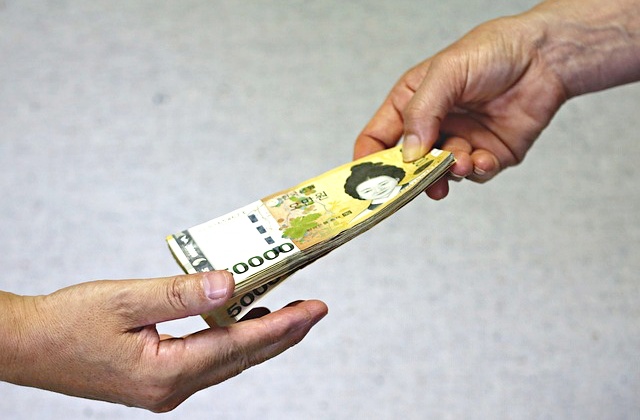
South Korea signaled heightened vigilance over its currency market on Thursday, with Vice Finance Minister Huh Chang saying the government is maintaining close communication with Japan and other major partners on foreign exchange issues as the South Korean won continues to weaken against the U.S. dollar.
Speaking at a news conference, Huh said the won has become significantly misaligned with the country's economic fundamentals, underscoring growing concern over persistent currency weakness. While he declined to discuss the possibility of coordinated market intervention, he stressed that Seoul is prepared to take action if excessive volatility or liquidity shortages disrupt the dollar-won market.
The remarks come just days before South Korea launches a historic 24-hour dollar-won trading system on Monday, a move aimed at improving market accessibility and strengthening the country's foreign exchange infrastructure. Authorities expect the expanded trading hours to encourage greater participation from global investors and improve liquidity in the local currency market.
The South Korean won has remained under heavy pressure this year, falling about 7.4% against the U.S. dollar and hovering near its weakest level in 17 years. The currency's decline contrasts sharply with the strong performance of domestic equities, with the benchmark KOSPI index climbing roughly 85% over the same period.
Huh's comments also follow reports that Japanese authorities are adopting a more unpredictable strategy to discourage speculative bets against the yen, which remains close to multi-decade lows versus the dollar. The shift has fueled speculation that regional policymakers are becoming increasingly coordinated in addressing excessive foreign exchange volatility.
Deputy Finance Minister Moon Ji-sung, who also attended the briefing, said South Korea continues to maintain active communication channels with both Japan and the United States on foreign exchange matters. He added that officials expect trading activity currently concentrated in the offshore non-deliverable forward (NDF) market to gradually migrate to the domestic spot market once extended trading hours take effect.
Moon said the government is reviewing additional measures to encourage that transition, with the goal of improving market efficiency, increasing onshore liquidity, and strengthening the competitiveness of South Korea's foreign exchange market. Authorities emphasized they remain committed to ensuring orderly trading conditions while closely monitoring currency movements amid ongoing global market uncertainty.







