


 Russian Envoy Dmitriev Heads to US for Ukraine Talks
  Gold Drops Over 1% as Dollar, Treasury Yields Surge on Fed Rate Hike Bets
  US 10-Year Treasury Yield at 6% Emerges as New Market Risk Threshold
  Wall Street Ends Flat as Oil, Treasury Yields and Fed Jitters Rattle Markets
  Yen Sinks as BOJ Rate Hike Fails to Impress Markets
  China Boosts Gold Reserves by 650,000 Ounces as Prices Rally
  US Stock Futures Fall as Treasury Yields Surge Ahead of Trump-Xi Summit
  Oil Prices Ease as Iran Tensions Clash With Diplomacy Hopes
  RBA Says ASX Still Falls Short on Governance and Risk Controls
  Yen Extends Gains as BOJ Rate Hike Bets Rise
  ECB Rate Hike in Focus as Oil Tops $100
  Wall Street Falls as Treasury Yields Surge, Oil Rebounds on Iran Tensions
  Asian Currencies Mixed as Dollar Holds Near Two-Month High


 Add as a preferred source on Google
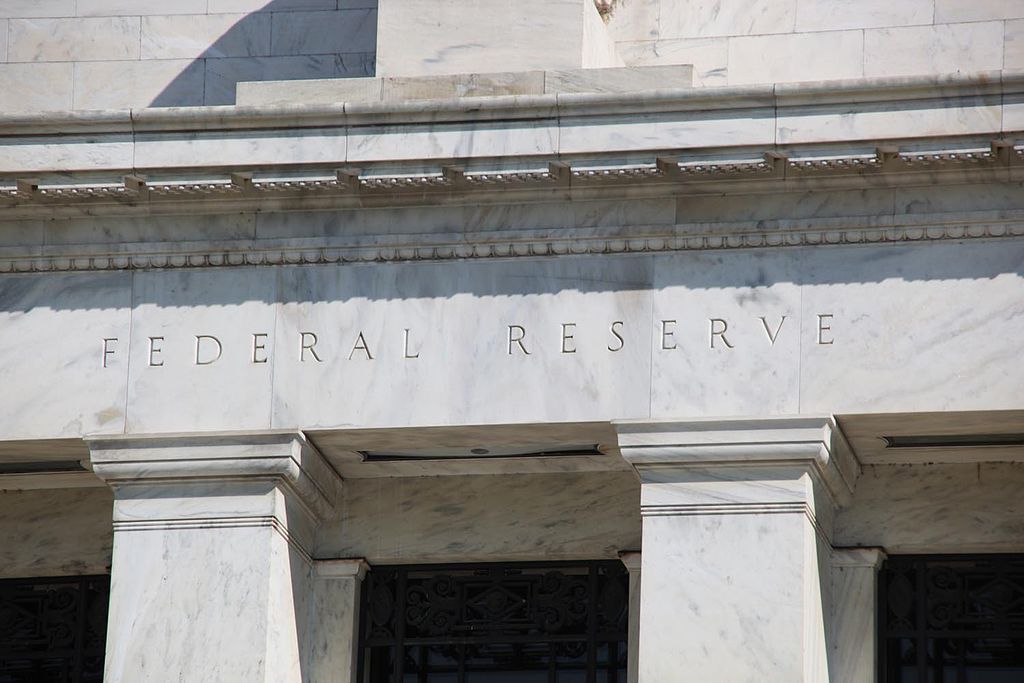
San Francisco Federal Reserve President Mary Daly said the Federal Reserve remains in a difficult position as it weighs the next move on interest rates, citing persistent inflation risks, a resilient labor market, and the uncertain economic impact of artificial intelligence.
Speaking at a Banco de España conference in Santander, Spain, on Thursday, Daly described current U.S. monetary policy as "slightly restrictive" but emphasized that the outlook remains highly uncertain. She said the rapid expansion of AI-related investment and steady employment conditions make it challenging to determine whether the Fed should adjust policy in the coming months.
Daly noted there are competing economic scenarios the central bank must consider. Inflation could remain stubbornly high, requiring policymakers to keep fighting price pressures. At the same time, economic growth could weaken if business investment slows as companies wait to see stronger returns from AI-related spending.
She added that the recent decline in oil prices following the Iran ceasefire is a positive development for both consumers and the broader U.S. economy, potentially easing some inflationary pressure.
Her comments came shortly after the U.S. Bureau of Labor Statistics reported that job growth slowed sharply last month. Following the data release, financial markets scaled back expectations for a Federal Reserve interest rate increase later this month and reduced the likelihood of another rate hike in September.
Daly also referenced discussions at the European Central Bank's annual conference in Sintra, Portugal, where Federal Reserve Chair Kevin Warsh reiterated the central bank's commitment to bringing inflation back to its 2% target. Warsh said AI is already reshaping the economy by boosting demand in the near term while eventually increasing supply, creating opposing effects on inflation.
According to Daly, the uncertainty surrounding AI's long-term influence is a key reason for the Fed to remain patient.
"When the world is changing quickly, you don't want to react too quickly," Daly said, stressing that carefully evaluating incoming economic data will help the Federal Reserve make better policy decisions.







