


 US Backs Musk in Fight Against EU’s €120 Million X Fine
  Trump Bans CNN, MS NOW and Politico From White House
  US Immigration Arrests Surge as Deportations Lag Behind
  Sudan Rejects US Legitimacy Remarks, Defends Sovereignty
  China Tightens Fentanyl Rules Ahead of Trump-Xi Summit
  Nvidia-Groq AI Chip Deal Faces U.S. Antitrust Probe
  Trump Administration Removes Confederate Memorial Criticism From Arlington Website
  Mexico-US Trade Talks Delayed to October as Tariff Negotiations Continue
  North Korea Warns South Korea Over US-Led Defense Role
  US Judge Dismisses Imran Ahmed Deportation Lawsuit
  Netanyahu’s Brief US Trip Highlights Strains With Trump
  Xi Calls for Deeper U.S.-China AI Cooperation in Trump Talks
  Kremlin Says No Decision Yet on Putin-Trump December Summit
  Trump Asks Supreme Court to Restore Third-Country Deportations
  Abbas Reaffirms November 28 Palestinian Elections
  Appeals Court Rejects Trump Third-Country Deportation Policy
  Netanyahu Takes Aim at Mamdani as Israel Election Nears


 Add as a preferred source on Google
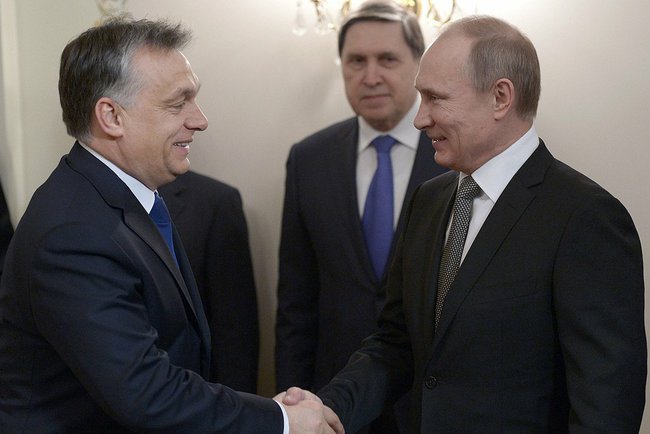
Hungary's parliament has approved a bill initiating the country's formal withdrawal from the International Criminal Court (ICC), marking a significant move by Prime Minister Viktor Orban's government, which claims the court has become politically biased. The legislation passed on May 20 with 134 votes in favor and 37 against, launching a one-year exit process upon formal notification to the UN Secretary-General.
The decision comes shortly after Israeli Prime Minister Benjamin Netanyahu visited Hungary in a rare overseas trip, despite an active ICC arrest warrant accusing him of war crimes in Gaza—a claim Netanyahu has firmly denied. Hungary has openly criticized the warrant as “brazen” and refuses to enforce it.
Orban’s government argues the ICC no longer functions as an impartial judicial body. "Hungary firmly rejects the use of international organizations – in particular criminal courts – as instruments of political influence," stated the bill, submitted by Deputy Prime Minister Zsolt Semjen.
The ICC, established over 20 years ago to prosecute individuals for war crimes, crimes against humanity, and genocide, now faces growing scrutiny from countries claiming political overreach. Hungary, a founding member, ratified the Rome Statute in 2001, but critics note the domestic law was never formally promulgated.
The ICC’s Assembly of State Parties has expressed concern over Hungary's decision. However, Netanyahu praised the move, calling it a “bold and principled decision.” The development adds to global tensions surrounding the ICC’s role and its arrest warrants amid the ongoing conflict in Gaza.
Hungary’s withdrawal will take effect in 12 months, in accordance with ICC rules, following the official submission of its intent to the United Nations.







