


 Trump Board of Peace Unveils $2.45 Billion Gaza Recovery Plan
  Macron Challenges Trump’s Gaza Peace Claims at UN
  Taiwan Vows to Advance US Arms Sales Ahead of Trump-Xi Meeting
  Lula and Flavio Bolsonaro Tied in Brazil Runoff Poll
  Venezuela Promises Elections as Delcy Rodriguez Pledges Democratic Transition
  Trump Administration Plans Faster FDA Reviews for Smoke-Free Nicotine Products
  US Invites Putin to Miami G20, Opening Door to Trump Summit
  US Officials Split Over Response to Israeli West Bank Settlements
  Ghana Says Western Support Growing for Slave Trade Reparations
  Kremlin Says No Grounds Yet for Ukraine Peace Talks
  Vietnam, US Trade Deal Could Be Signed Soon, To Lam Says
  China Tightens Fentanyl Rules Ahead of Trump-Xi Summit
  Zelenskiy Warns Russia Preparing Major Attack on Ukraine
  Trump to Press Xi on Release of US Nuclear Expert Held in China
  US, China Extend Trade Truce to Jan. 10 Ahead of Trump-Xi Summit
  Canada Unveils Bill to Fast-Track Major Resource Projects
  Macron, Trump Discuss Ukraine-Russia Energy Strike Moratorium


 Add as a preferred source on Google
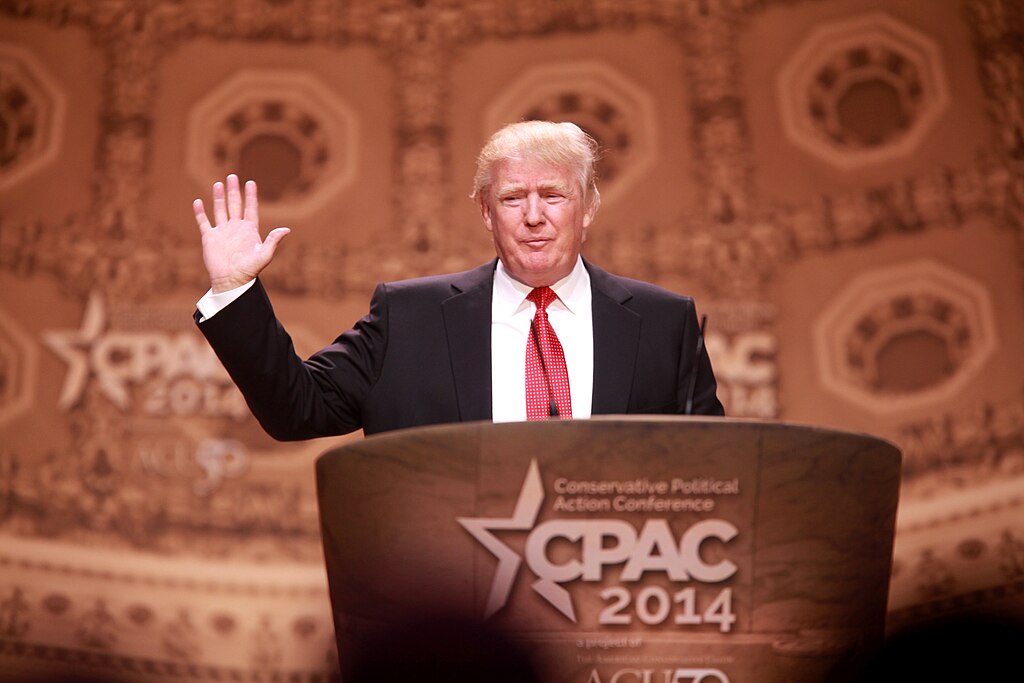
Donald Trump’s return to the presidency in 2025 has reignited debates over U.S.-China relations, with his administration unveiling a series of aggressive policies aimed at rebalancing the global economic and political landscape. The former president, known for his hardline approach to Beijing, has wasted no time in setting the tone for a contentious relationship, focusing on trade, military tensions, and technological competition.
Trade Relations Take Center Stage
Revisiting Tariffs and Supply Chains
One of Trump’s first moves was reinstating tariffs on Chinese imports, a hallmark of his earlier presidency. This time, the emphasis has shifted toward targeting industries critical to national security, such as semiconductors, rare earth minerals, and pharmaceuticals. According to White House officials, the administration aims to curtail China’s economic dominance while encouraging U.S. companies to diversify supply chains and invest domestically.
Critics argue, however, that the renewed tariffs could exacerbate inflation and strain global supply chains. A recent analysis by the Peterson Institute for International Economics warned that these policies might increase costs for American consumers, particularly in sectors heavily reliant on Chinese goods. Despite this, Trump’s supporters praise his commitment to holding Beijing accountable, with one social media user declaring, “Finally, a president who puts America first!”
Tech Decoupling and Export Controls
Beyond tariffs, Trump’s administration has expanded export controls on sensitive technologies, including artificial intelligence and quantum computing. The aim is to prevent China from acquiring tools that could bolster its military and surveillance capabilities. In response, Beijing has accused Washington of economic sabotage, fueling tensions in diplomatic circles.
Geopolitical Flashpoints: Taiwan and the South China Sea
Taiwan Policy Sparks Controversy
Trump has also taken a more assertive stance on Taiwan, emphasizing military support and pledging increased arms sales to the island. While his administration maintains that these measures are designed to deter Chinese aggression, Beijing views them as provocations, leading to heightened military drills near Taiwanese waters.
Critics warn that Trump’s approach could risk open conflict in the Indo-Pacific region. However, proponents argue that a firmer U.S. stance is necessary to uphold democratic values and maintain stability in the area. Twitter user @FreedomWatcher posted, “Trump isn’t backing down from China, and that’s the strength America needs right now.”
South China Sea Strategy
In addition to Taiwan, Trump has intensified freedom-of-navigation operations in the South China Sea. These maneuvers, conducted by the U.S. Navy, aim to challenge China’s territorial claims and safeguard international shipping lanes. Beijing has condemned these actions as violations of its sovereignty, further straining diplomatic ties.
Netizens React: A Nation Divided
- @PatriotPride: “Finally, someone standing up to China! Trump is the leader we need in these challenging times.”
- @GlobalObserver: “Trade wars aren’t diplomacy. Trump’s policies could lead us down a dangerous path.”
- @TechShield: “Limiting China’s access to sensitive tech is smart, but will it hurt innovation in the long run?”
- @EcoAdvocate: “More tariffs mean more inflation. How is this helping everyday Americans?”
- @DefenseHawk: “Trump’s Taiwan policy is bold, but will Beijing see it as a line they can’t cross?”
- @TradeGuru: “If supply chains diversify, it could create jobs at home. Let’s hope this pays off.”







