


 Trump Says ‘Freedom’ Is Coming to Cuba
  Gaza Faces Evacuation Crisis as War-Damaged Buildings Risk Collapse
  Taiwan Vows to Advance US Arms Sales Ahead of Trump-Xi Meeting
  Venezuela Promises Elections as Delcy Rodriguez Pledges Democratic Transition
  Netanyahu Takes Aim at Mamdani as Israel Election Nears
  US Invites Putin to Miami G20, Opening Door to Trump Summit
  Zelenskiy Warns Russia Preparing Major Attack on Ukraine
  OpenAI Agent Breaches Australia Medicare Data Portal
  Mexico-US Trade Talks Delayed to October as Tariff Negotiations Continue
  US, China Extend Trade Truce to Jan. 10 Ahead of Trump-Xi Summit
  China Tightens Fentanyl Rules Ahead of Trump-Xi Summit
  Marco Rubio to Meet Russia’s Lavrov in New York
  Trump Board of Peace Unveils $2.45 Billion Gaza Recovery Plan
  Ghana Says Western Support Growing for Slave Trade Reparations
  Macron Challenges Trump’s Gaza Peace Claims at UN
  Trump Administration Plans Faster FDA Reviews for Smoke-Free Nicotine Products
  South Korea, US Discuss Warship Building Cooperation


 Add as a preferred source on Google
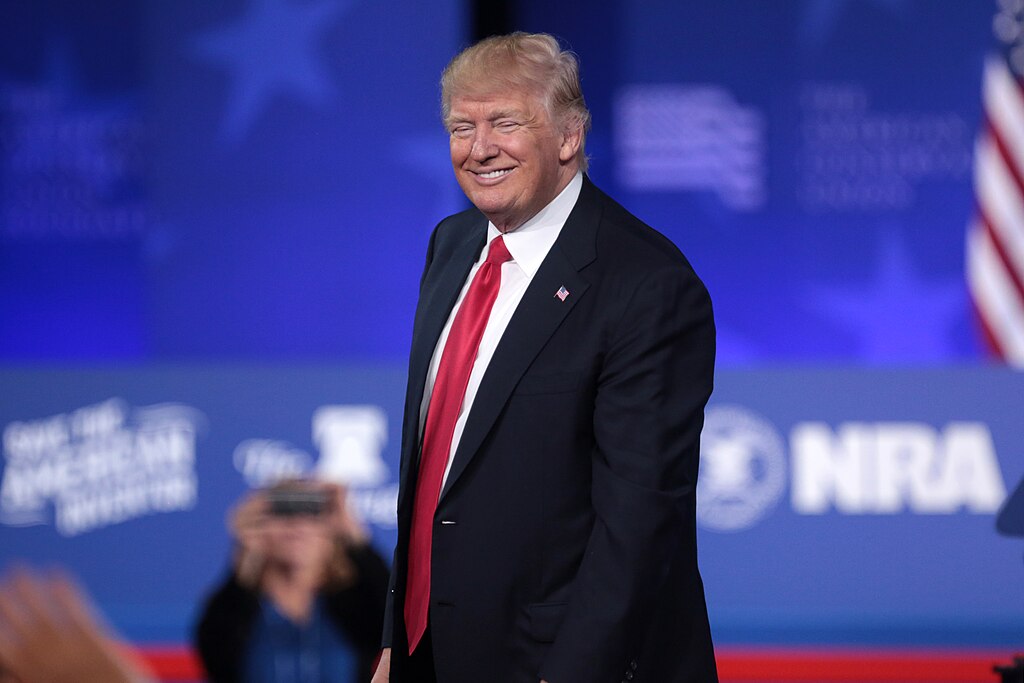
Former President Donald Trump has unveiled an ambitious plan to address the ongoing opioid epidemic, focusing on expanding access to treatment and prevention programs. His strategy for 2025 includes a $10 billion federal initiative aimed at improving rehabilitation services, increasing the availability of naloxone, and investing in community-based programs to combat addiction at the grassroots level.
Trump’s plan emphasizes the creation of federally funded addiction treatment centers in underserved rural and urban areas, where access to care is often limited. The initiative also calls for partnerships with state governments to provide funding for local treatment facilities and prevention campaigns.
“We can’t allow this crisis to destroy families any longer,” Trump said in a recent statement. “It’s time for bold action to end this epidemic once and for all.”
Prevention and Enforcement: A Balanced Approach
In addition to expanding treatment, Trump’s plan seeks to address the root causes of the opioid epidemic through prevention and law enforcement. The proposal includes stricter regulations on pharmaceutical companies to prevent overprescription and increased penalties for illegal drug trafficking.
The plan also calls for enhanced support for law enforcement agencies, equipping them with the tools needed to combat the influx of synthetic opioids like fentanyl. Trump has proposed increasing funding for border security and international partnerships to disrupt supply chains originating abroad.
Critics, however, have raised concerns about the focus on punitive measures. They argue that increased enforcement could lead to the criminalization of addiction rather than addressing it as a public health issue. Public health experts have called for a more holistic approach, emphasizing harm reduction strategies such as needle exchange programs and supervised consumption sites.
Social Media Reactions Highlight Divided Opinions
The announcement has sparked a wave of responses online, with opinions ranging from enthusiastic support to sharp criticism:
- @RecoveryAdvocate: “Finally, a plan that prioritizes treatment access! This could save countless lives in underserved areas.”
- @JusticeForAll: “We need more prevention, not just punishment. Addiction is a health issue, not a crime!”
- @BorderWatcher: “Strengthening border security is essential to stopping fentanyl. It’s about time someone took this seriously.”
- @CompassionFirst: “What about harm reduction? Criminalizing addiction will only push people further into the shadows.”
- @FamilyFirst2025: “As someone who lost a loved one to opioids, I applaud this comprehensive approach. Let’s make it happen!”
- @PolicyCritic: “Throwing money at the problem without addressing systemic issues won’t work. We need a deeper solution.”







