


 Marco Rubio to Meet Russia’s Lavrov in New York
  Macron Challenges Trump’s Gaza Peace Claims at UN
  China Tightens Fentanyl Rules Ahead of Trump-Xi Summit
  US, China Extend Trade Truce to Jan. 10 Ahead of Trump-Xi Summit
  US Officials Split Over Response to Israeli West Bank Settlements
  Mexico-US Trade Talks Delayed to October as Tariff Negotiations Continue
  South Korea, US Discuss Warship Building Cooperation
  Venezuela Promises Elections as Delcy Rodriguez Pledges Democratic Transition
  Europe Warns Russia Is Escalating Hybrid Attacks Across NATO
  Lula and Flavio Bolsonaro Tied in Brazil Runoff Poll
  Netanyahu Takes Aim at Mamdani as Israel Election Nears
  Russian Strikes Kill Eight Across Ukraine as Energy Sites Hit
  Gaza Faces Evacuation Crisis as War-Damaged Buildings Risk Collapse
  Ghana Says Western Support Growing for Slave Trade Reparations
  Trump Administration Plans Faster FDA Reviews for Smoke-Free Nicotine Products
  Trump Board of Peace Unveils $2.45 Billion Gaza Recovery Plan
  US Invites Putin to Miami G20, Opening Door to Trump Summit


 Add as a preferred source on Google
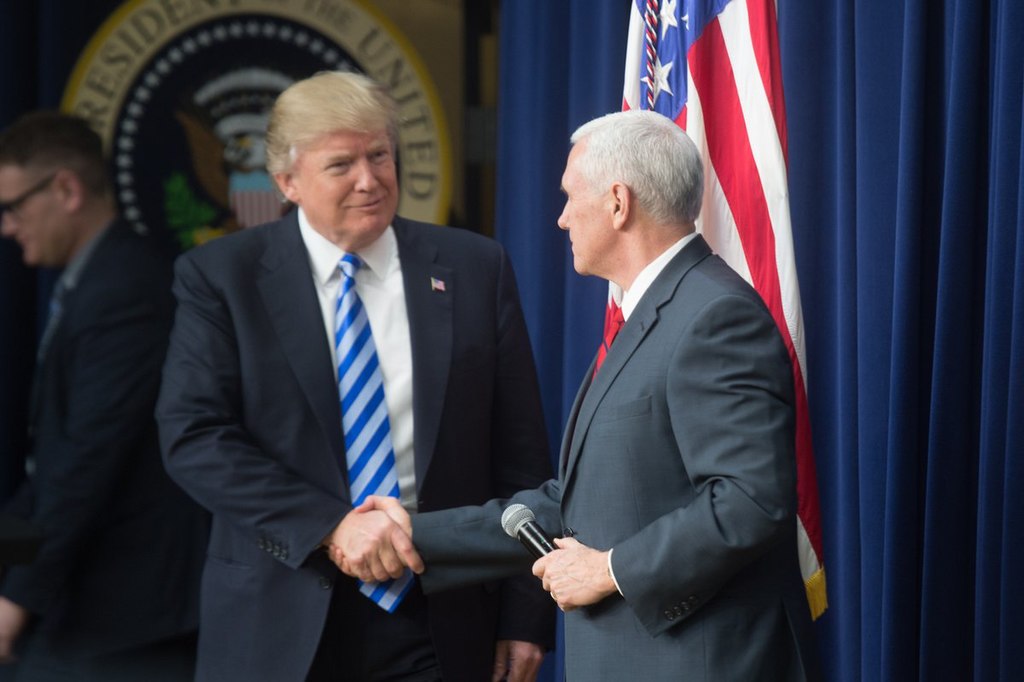
Former President Donald Trump has introduced a multifaceted plan to tackle the growing issue of traffic congestion in urban areas across the United States. His ambitious 2025 strategy focuses on leveraging cutting-edge technology, infrastructure enhancements, and public-private partnerships to reduce gridlock in major cities. Speaking at a transportation summit in New York, Trump declared his commitment to modernizing urban mobility and ensuring efficiency in metropolitan hubs.
Central to his plan is the deployment of advanced traffic management systems, which integrate artificial intelligence and real-time data analytics. Trump emphasized that these innovations would streamline traffic flow, reduce commuter delays, and improve overall air quality in urban centers.
“American cities deserve modern solutions, and 2025 will be the year we revolutionize how we move,” he stated during the summit.
Public Transportation and Private Sector Collaboration
A key component of Trump’s initiative involves significant investments in public transportation systems. His administration plans to allocate $20 billion to expand and modernize transit networks, including subways, light rail, and bus systems. By enhancing public transit, the initiative aims to provide commuters with efficient alternatives to car travel, thereby reducing road congestion.
In addition, Trump’s strategy includes incentives for private sector innovation. Ride-sharing companies and tech firms are encouraged to collaborate with city governments to implement smart mobility solutions, such as dynamic carpooling and app-based traffic monitoring. Autonomous vehicle testing zones are also being proposed as part of the effort to explore sustainable traffic management technologies.
Critics, however, have raised concerns about the feasibility of funding these initiatives. Some argue that allocating $20 billion is insufficient to address the complex challenges of urban congestion comprehensively.
Mixed Reactions Online
Trump’s traffic congestion plan has sparked a wave of reactions on social media. While some users praised the bold approach, others questioned its viability:
- @TrafficTamer2025: “Finally, a leader taking urban congestion seriously! AI traffic systems could change everything.”
- @SkepticCommuter: “$20 billion isn’t enough to fix the mess in NYC alone. Let’s see actual results first!”
- @TransitLover: “Public transportation upgrades are long overdue. Hopefully, this plan delivers.”
- @UrbanCritic: “Trump’s initiative sounds promising, but will private sector partnerships prioritize profits over real commuter needs?”
- @GreenMobilityNow: “Reducing congestion and improving air quality? I’m all for it. Excited to see how this unfolds.”
- @PolicyPundit: “Bold claims, but execution is key. Let’s hope this doesn’t get lost in political gridlock.”







