


 Ghana Says Western Support Growing for Slave Trade Reparations
  Russian Envoy Dmitriev Heads to US for Ukraine Talks
  Zelenskiy Warns Russia Preparing Major Attack on Ukraine
  US Invites Putin to Miami G20, Opening Door to Trump Summit
  Sudan Rejects US Legitimacy Remarks, Defends Sovereignty
  Trump Says ‘Freedom’ Is Coming to Cuba
  Trump to Press Xi on Release of US Nuclear Expert Held in China
  Lula and Flavio Bolsonaro Tied in Brazil Runoff Poll
  China Tightens Fentanyl Rules Ahead of Trump-Xi Summit
  South Korea, US Discuss Warship Building Cooperation
  US Officials Split Over Response to Israeli West Bank Settlements
  Trump Says U.S.-Iran Peace Deal Near After UN Talks
  Trump Meets Venezuela’s Delcy Rodriguez at UN Assembly
  Judge Orders Trump to Restore White House Access for CNN, MS NOW and Politico
  Macron, Trump Discuss Ukraine-Russia Energy Strike Moratorium
  Vietnam, US Trade Deal Could Be Signed Soon, To Lam Says
  Trump Administration Plans Faster FDA Reviews for Smoke-Free Nicotine Products


 Add as a preferred source on Google
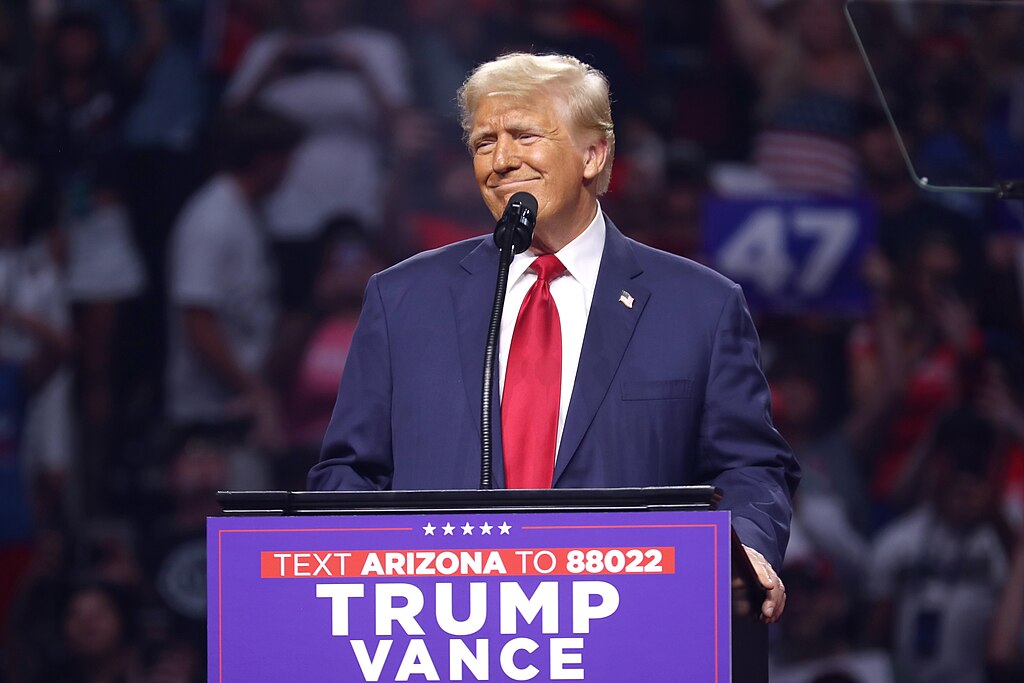
In 2025, former President Donald Trump has outlined ambitious plans to reform the U.S. education system, with a strong focus on promoting STEM (Science, Technology, Engineering, and Math) education. His administration’s proposal seeks to align educational priorities with a vision for a stronger, more competitive workforce, prepared for the rapidly evolving technological landscape.
A cornerstone of Trump’s approach is the enhancement of school choice, including the expansion of charter schools and private school options. By providing parents with more control over where their children attend school, Trump aims to encourage competition, ultimately raising the standards for STEM programs. Proponents argue that this will foster innovation and create more opportunities for students to engage with STEM subjects in dynamic, specialized settings.
Additionally, Trump’s administration has suggested redirecting funds from traditional public school systems into more flexible educational structures, including STEM-focused programs. This could allow schools to better tailor their curricula to modern workforce demands, preparing students for careers in fields like artificial intelligence, renewable energy, and cybersecurity, which are central to the nation’s technological future.
Another significant part of Trump’s strategy includes integrating technology into classrooms, ensuring that students are equipped with the digital tools necessary to excel in a tech-driven world. However, critics have raised concerns about the potential consequences of these changes, fearing that the narrowing focus on STEM might limit access to broader educational experiences, and that vulnerable communities could lose out on opportunities without additional support.
In his second term, Trump’s education reforms are likely to spark heated debates, especially regarding the dismantling of the Department of Education, which he proposes as part of a broader decentralization of federal control over schooling. This proposal could lead to increased funding for STEM programs in some states while leaving others at a disadvantage.
Despite these challenges, Trump’s initiative to promote STEM education reflects his broader goal of reshaping the future of American education to meet the demands of the 21st century economy. How this vision will play out depends largely on state and local implementation, as well as ongoing political support.







