


 Macron Challenges Trump’s Gaza Peace Claims at UN
  Asian Stocks Mixed Ahead of Trump-Xi Meeting
  France Debt-to-GDP Ratio Seen Hitting Record 119.3% in 2026
  Carney Condemns Belleville Synagogue Shooting That Wounded Police Officer
  Paramount-Warner Bros $110 Billion Deal Draws Antitrust Backlash
  Macron, Trump Discuss Ukraine-Russia Energy Strike Moratorium
  China Tightens Fentanyl Rules Ahead of Trump-Xi Summit
  Trump-Xi Summit Puts Trade Truce and Taiwan in Focus
  US, Japan and South Korea Back Taiwan Ahead of Trump-Xi Summit
  RBA Says ASX Still Falls Short on Governance and Risk Controls
  Trump to Press Xi on Release of US Nuclear Expert Held in China
  Oil Prices Rise as U.S.-Iran Talks Fuel Diplomacy Hopes
  Canada Unveils Bill to Fast-Track Major Resource Projects
  Gold Prices Hold Steady Ahead of Trump-Xi Summit, Middle East Risks
  Asia Stocks Rise on AI Demand as Oil Eases
  Fed Rate Hike Threatens Housing as U.S. Growth Leans on AI, Citi Says
  Oil Prices Tumble on U.S.-Iran Diplomacy Hopes, Supply Relief


 Add as a preferred source on Google
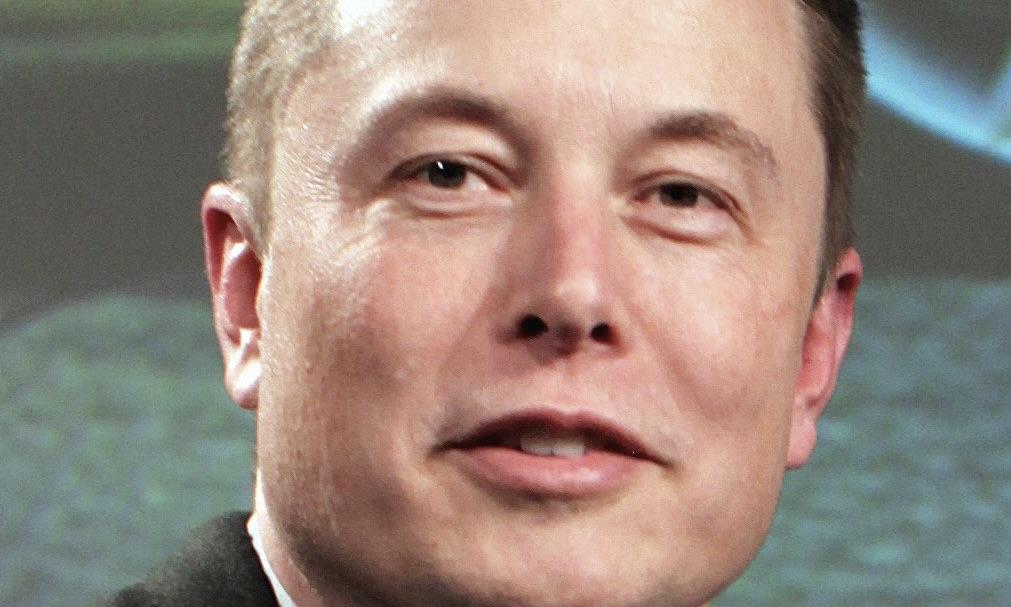
Elon Musk, in collaboration with former presidential candidate Vivek Ramaswamy, is spearheading an ambitious plan to cut $2 trillion from the federal budget. The proposal, hailed as the most dramatic since post-World War II, has ignited controversy due to its potential impact on entitlement programs, including Social Security and Medicare.
Musk is set to meet with congressional lawmakers this week, hosting discussions to rally support for the initiative. The effort is unofficially dubbed the "Department of Government Efficiency" (DOGE), a nod to the billionaire’s frequent endorsement of the cryptocurrency Dogecoin. While DOGE has no official standing, the effort underscores Musk’s growing political influence.
The plan has received backing from a newly established House subcommittee led by GOP Representative Marjorie Taylor Greene. Greene has expressed optimism, framing the initiative as a critical step toward fiscal responsibility. Despite these assurances, the proposal’s critics point to its likely necessity to target programs relied upon by millions of Americans.
Reducing federal expenditures to this extent would require cuts that surpass the combined annual spending on government operations, including defense. Such cuts are expected to face resistance, given the historical difficulties of reducing entitlements like Medicare, Medicaid, and veterans’ benefits. These programs, while expensive, are politically popular and heavily utilized.
Musk’s close ties to President-elect Donald Trump have amplified his sway in Washington. His involvement in policy discussions, foreign leader interactions, and cabinet selection processes signals an expanding role in shaping U.S. governance. This influence, however, is raising eyebrows among both allies and opponents, as Musk’s unconventional approach often blurs the lines between innovation and disruption.
Previous attempts to drastically reduce federal budgets have faced significant obstacles. Congress members often prioritize local interests, making bipartisan consensus on sweeping cuts challenging. While Republican legislators appear aligned with Trump’s campaign promises, achieving this fiscal goal will demand unprecedented political coordination.
The $2 trillion target has sparked concerns over the economic and social ripple effects. Critics warn that reducing entitlement programs could undermine safety nets for vulnerable populations, exacerbating inequality and eroding trust in government institutions.
Musk and Ramaswamy’s proposal is slated to test the limits of fiscal ambition in a polarized political landscape. Whether this initiative will translate into actionable policy remains uncertain, but it has already triggered debates about the balance between innovation, fiscal responsibility, and social welfare.







