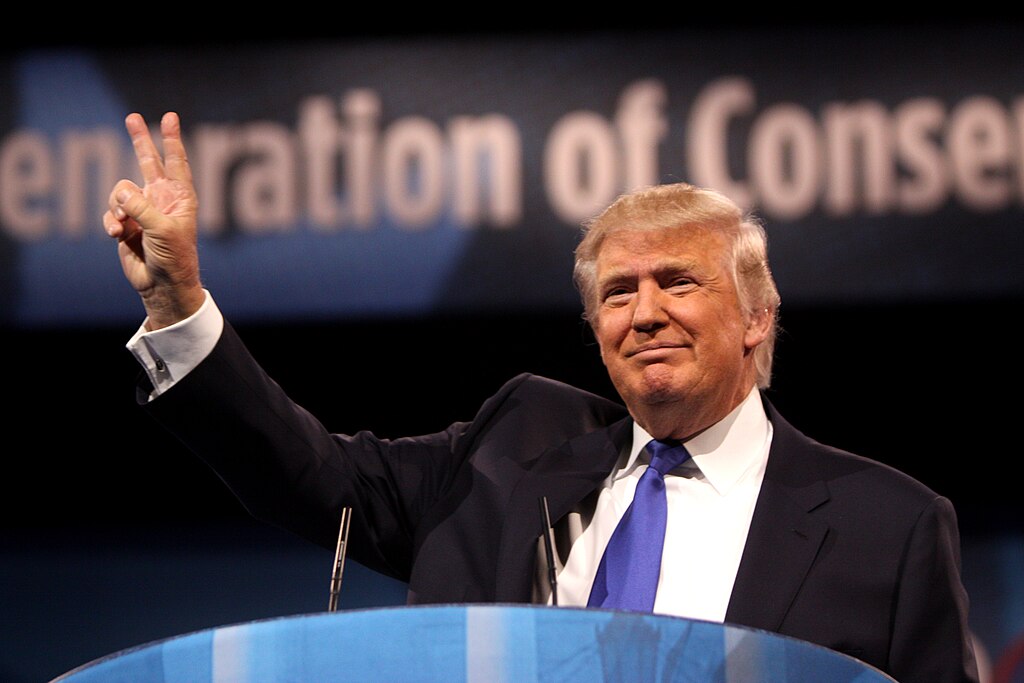
In 2025, President Donald Trump’s approach to the ongoing Ukraine-Russia conflict has ignited fervent discussions on the global stage. Known for his unconventional strategies and unpredictable foreign policies, Trump has introduced bold, and often polarizing, measures in an attempt to resolve the war that has gripped Europe for years. Critics and allies alike are questioning whether his plans will achieve peace or worsen existing tensions.
Trump’s Policy Shift: A Break from Previous Administrations
Under Trump’s leadership, the United States has reportedly taken a more pragmatic and transactional stance toward the Ukraine-Russia war. Early in his term, Trump scaled back military aid to Ukraine while advocating for direct negotiations between Ukrainian President Volodymyr Zelensky and Russian President Vladimir Putin. This marks a significant shift from the Biden administration's strong military support for Ukraine.
Trump has also introduced new sanctions against Russia but controversially linked their removal to conditions such as Russia’s withdrawal from certain occupied territories. However, critics argue that these measures do little to deter Russian aggression and could embolden Putin to pursue further territorial expansion.
A Polarizing Peace Summit
In a dramatic bid to mediate the conflict, Trump announced an international peace summit scheduled for later this year. The summit, which will take place in Geneva, has already been criticized by some European leaders, who claim Trump’s concessions to Russia risk undermining Ukraine’s sovereignty. Despite this, the Trump administration has emphasized the importance of reaching a ceasefire, citing mounting global economic instability as a driving factor for a resolution.
The planned summit will reportedly include representatives from NATO, the European Union, and key allies in Asia. Trump has called for "compromise on both sides," a statement that has drawn backlash from Ukrainian officials who insist on full territorial sovereignty, including Crimea, before any negotiations.
The Global Response
Reactions to Trump’s handling of the Ukraine-Russia conflict have been mixed. European leaders, particularly from Eastern Europe, remain skeptical of Trump’s ability to broker a fair and lasting peace. Poland and the Baltic states have expressed concerns that the U.S. may abandon Ukraine in favor of normalizing relations with Russia.
Conversely, some NATO allies, including Turkey, have praised Trump’s efforts to bring Russia to the negotiating table. These nations argue that continued warfare only exacerbates economic challenges, including rising energy prices and disrupted supply chains.
Criticism and Controversy
Domestically, Trump’s policies have drawn fierce criticism from Democrats and even some Republicans, who accuse him of abandoning America’s commitment to supporting democracy and defending its allies. Critics argue that scaling back military aid to Ukraine sends the wrong message to adversaries like China and North Korea.
Moreover, Trump’s attempts to engage Putin directly have fueled speculation about potential geopolitical deals that may favor Russian interests. This has raised concerns about Trump prioritizing short-term solutions over long-term stability.
The Future of U.S. Involvement
As Trump’s strategies continue to unfold, the global community remains divided. While some view his policies as pragmatic steps toward ending the war, others fear they may lead to greater instability in the region. Whether Trump’s approach will result in lasting peace or further escalate tensions remains to be seen.