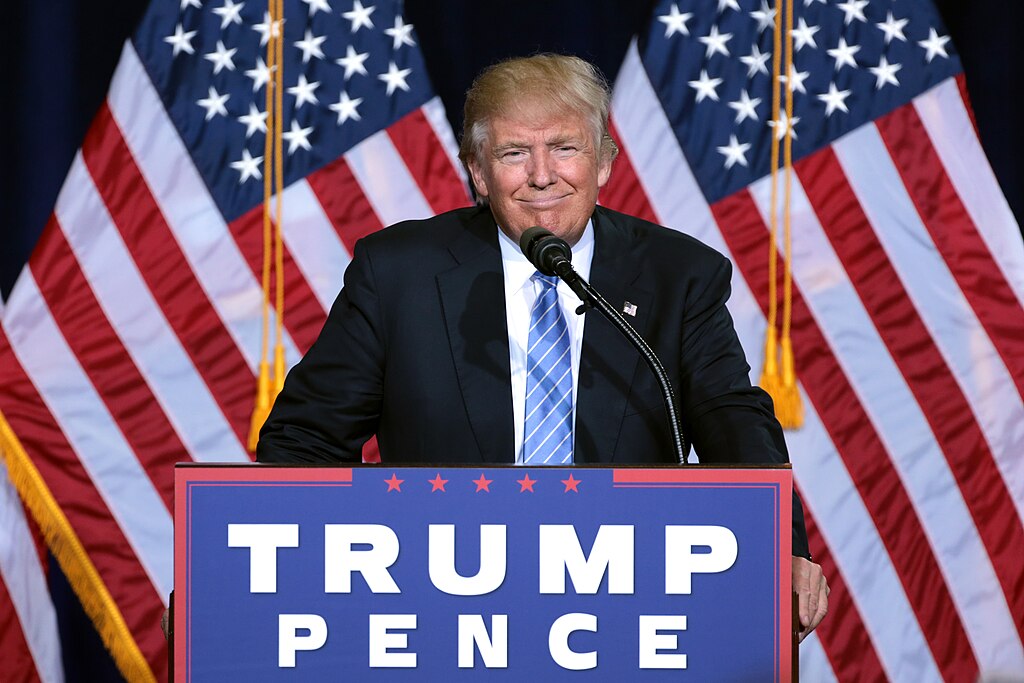
In a bold declaration that has sparked widespread debate, President-elect Donald Trump has pledged to deploy military forces across land and sea to combat drug and human trafficking networks within the United States. The announcement, part of Trump’s broader law-and-order agenda, has reignited conversations on the role of the military in domestic law enforcement and raised eyebrows among critics and supporters alike.
A Sweeping Approach to Trafficking
Trump’s promise to dismantle trafficking networks marks a dramatic shift in the government’s approach to addressing these persistent issues. His transition team has outlined plans to use advanced surveillance technologies, bolster border defenses, and employ military resources to target smuggling routes and distribution centers.
Sources close to Trump’s team suggest that these measures could involve collaborations with the Department of Homeland Security, Immigration and Customs Enforcement, and local law enforcement. However, the deployment of military personnel to assist in operations has drawn scrutiny from legal and constitutional experts.
The Military’s Role in Law Enforcement
Under Trump’s proposal, the U.S. military would take an unprecedented role in combating trafficking. Maritime operations would focus on intercepting drug shipments at sea, while land operations could involve dismantling organized criminal networks operating within U.S. borders. Critics argue that using military assets domestically could blur the line between national defense and law enforcement, raising concerns about potential overreach.
Supporters of the initiative, however, praise it as a necessary escalation to address what Trump has previously described as a “crisis” that threatens American communities. They argue that traditional methods of law enforcement have failed to adequately curb trafficking activities and that military intervention could offer a decisive solution.
Critics Sound the Alarm
Legal experts have pointed out potential challenges with Trump’s approach, particularly regarding the Posse Comitatus Act, which limits the use of federal military personnel in domestic law enforcement activities. Opponents warn that the proposed measures could face significant legal hurdles and constitutional challenges, complicating their implementation.
Human rights organizations have also expressed concerns about the potential for civil liberties violations, cautioning that aggressive military involvement could disproportionately affect vulnerable populations. Advocacy groups are urging the incoming administration to prioritize strategies that address the root causes of trafficking, such as poverty, lack of education, and systemic inequality.
Supporters Call for Bold Action
Despite the controversy, Trump’s supporters view the proposal as a long-overdue crackdown on criminal networks that have plagued communities for decades. Proponents highlight the devastating impact of drug addiction and human trafficking on families and argue that bold measures are required to disrupt these industries.
As Trump prepares to take office in January 2025, his promise to “crush trafficking networks” has become a focal point of his administration’s priorities. Whether the military’s involvement will achieve its intended goals or lead to unintended consequences remains to be seen.