


 Dollar Slides as Soft U.S. Data Cuts Fed Rate Hike Bets
  US Dollar Slips as Weak Retail Sales Reduce Fed Rate Hike Bets
  US Stock Futures Steady as Cooling Inflation and Strong Earnings Support Markets
  Trump Envoys Hold Gaza Peace Talks in Cairo as Israeli Strikes Continue
  AMLO’s Son Says U.S. Revoked His Visa
  Israeli Troops Enter Qusra Homes as West Bank Settler Siege Continues
  European Stocks Steady as U.S.-Iran War, Euro Zone Data Keep Investors Cautious
  US Admiral Visits USS Abraham Lincoln as Carrier Prepares to End Deployment
  S&P 500 Retreats From Record High as AI Stocks Slide, Retail Sales Disappoint
  Albanese Says AUKUS ‘Full Steam Ahead’ After Trump Call
  Gold Prices Rise as Weak US Retail Sales Cut Fed Rate Hike Bets
  Citadel Warns High Treasury Yields Pose Broader Market Risks
  Japan Economy Grows 1.1% in Q2 as Consumer Spending Stalls
  Oil Prices Steady as Strait of Hormuz Traffic Slows Amid US-Iran Conflict
  US Stock Futures Mixed as Fed Rate Hike Bets Fade, AI Deals in Focus
  Asian Currencies Edge Higher as Soft US Inflation Weighs on Dollar


 Add as a preferred source on Google
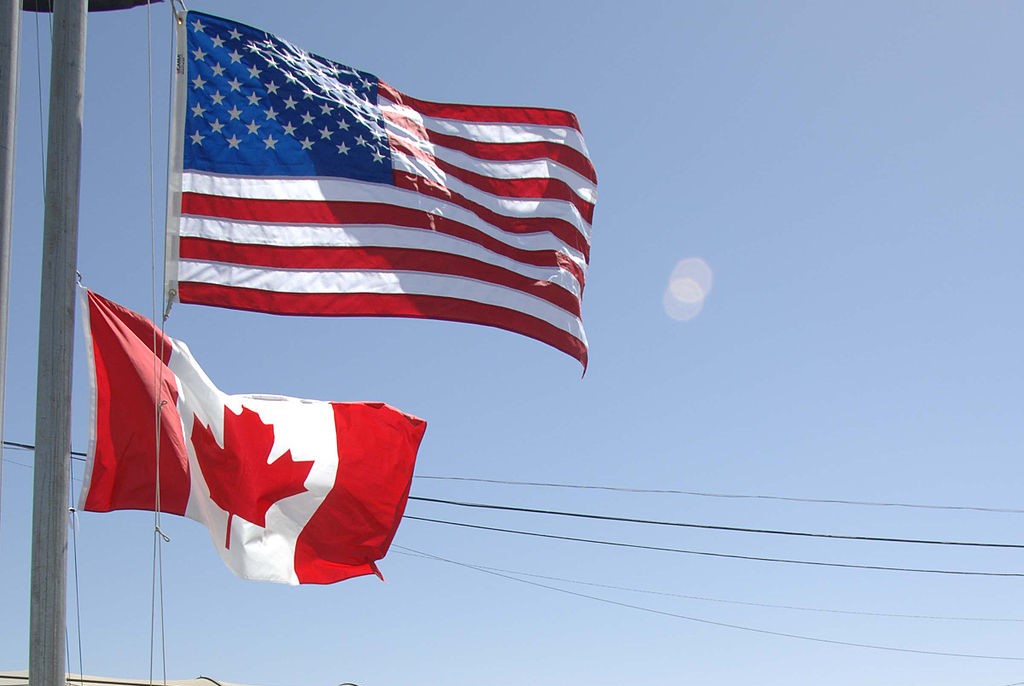
Canada is bracing for a new wave of 50% U.S. tariffs this week, raising concerns over job losses, weaker investment and fresh uncertainty surrounding the U.S.-Mexico-Canada Agreement (USMCA).
U.S. President Donald Trump invoked Section 338 of the Tariff Act of 1930 to impose tariffs starting Wednesday on several Canadian imports. Products affected include wine, furniture, dairy goods, cement, clothing, fishing rods, hockey equipment and other goods.
Section 338 allows the U.S. president to impose tariffs of up to 50% on countries considered to discriminate against American products. The measure marks an unusually aggressive step in escalating U.S.-Canada trade tensions.
The tariffs could affect nearly $20 billion worth of Canadian goods, representing about 5.2% of the $383 billion in goods the U.S. imported from Canada in 2025.
Canadian Trade Minister Dominic LeBlanc and chief trade negotiator Janice Charette have intensified negotiations with U.S. officials ahead of the deadline. However, Canada and the U.S. reportedly remain far from reaching a draft trade agreement.
Unlike several previous U.S. tariffs, the latest duties would also apply to products qualifying for preferential treatment under the USMCA. This could increase pressure on Canadian businesses that have relied on tariff-free access to their largest export market.
Industries including wood products, wine and furniture could be particularly vulnerable. Alain Ouzilleau, owner of Canadian cabinet manufacturer Cabico Ltd, warned that a 50% tariff could quickly make Canadian products economically uncompetitive in the U.S.
Canadian Federation of Independent Business President Dan Kelly also warned of major disruption for small businesses dependent on American customers.
The dispute could further complicate USMCA negotiations. Trump recently declined to extend the trade agreement for another 16 years, leaving it subject to annual reviews.
Key disagreements remain over Canada's dairy system and restrictions on U.S. alcohol sales in several Canadian provinces. Trade experts say dairy could become one of the biggest obstacles to a broader U.S.-Canada trade agreement.
While economists suggest the tariffs may have a limited impact on Canada's overall economy, affected industries could face significant job losses, declining exports and prolonged trade uncertainty.







