


 Trump Plans Military Complex Inside Washington Triumphal Arch
  Lula Meets Mamdani in New York as Elections Approach
  Appeals Court Rejects Trump Third-Country Deportation Policy
  Trump Sets High-Stakes UN Meetings With Zelenskiy, Gulf Leaders
  Trump Open to Pezeshkian Meeting as Iran Tensions Escalate
  North Korea Fires Two Ballistic Missiles From Wonsan
  South Korea to Brief Lawmakers on $350 Billion US Investment Package
  US Plans Two New Military Bases in Greenland Under Arctic Deal
  CNN, MS NOW and Politico Sue Trump Over White House Media Ban
  Zelenskiy Meets CIA Chief John Ratcliffe at Ireland’s Shannon Airport
  Trump’s Arlington Arch Project Faces New Court Restrictions
  California Seeks Paramount Divestitures in Warner Bros. Merger
  Mahmoud Khalil Sues Columbia Over Alleged Pro-Palestinian Harassment
  US, Japan and South Korea Back Taiwan Ahead of Trump-Xi Summit
  Maduro Seeks Dismissal of US Drug Trafficking Charges
  Honduras Court Drops Charges Against Ex-President Juan Orlando Hernandez
  Sara Duterte Posts Bail Over Grave Threats Case


 Add as a preferred source on Google
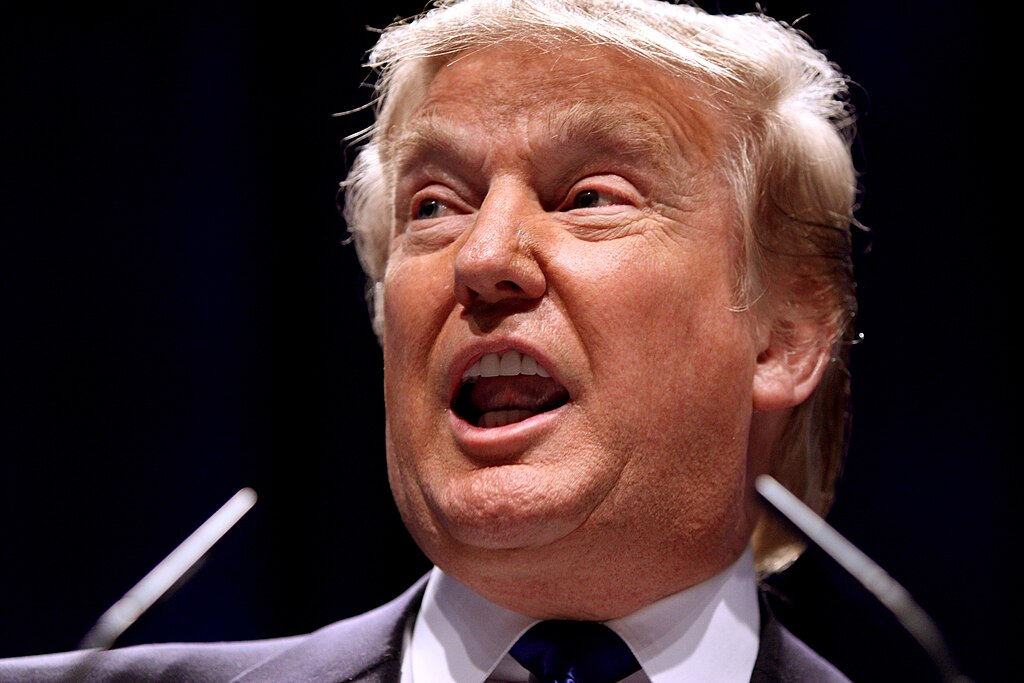
Donald Trump, the United States' 47th president-elect, has unveiled a sweeping foreign policy agenda for his upcoming term, sparking both anticipation and apprehension. His priorities aim to redefine America’s role on the global stage, focusing on restoring traditional alliances, recalibrating trade partnerships, and doubling down on controversial policies from his first administration.
Strengthening U.S. Alliances, But on New Terms
Trump's foreign policy team has emphasized the importance of rekindling ties with traditional allies while ensuring that these partnerships align with America’s national interests. NATO, a subject of significant debate during his first presidency, is set to undergo another round of scrutiny. Trump is expected to continue his push for greater financial contributions from member nations, arguing that the U.S. has carried a disproportionate share of the alliance’s defense budget.
At the same time, his administration plans to solidify relationships with nations in the Indo-Pacific, particularly India and Japan, to counterbalance China’s growing influence in the region.
Trade Wars and Economic Realignment
One of Trump’s hallmark policies—using tariffs to reshape global trade dynamics—is poised for a comeback. The president-elect has hinted at imposing additional tariffs on goods from China, citing ongoing concerns about intellectual property theft and trade imbalances. While his team touts this as a step toward strengthening domestic industries, critics warn it could ignite another round of economic uncertainty.
Additionally, Trump is expected to renegotiate trade deals with Mexico and Canada, signaling potential revisions to the USMCA. His goal, insiders say, is to secure terms even more favorable to American workers and industries, a move likely to face resistance from neighboring nations.
The China Factor
Trump’s stance on China remains uncompromising. His administration plans to expand restrictions on Chinese investments in U.S. technology and tighten export controls on sensitive products. National security concerns will drive these decisions, particularly as competition in artificial intelligence and semiconductors intensifies. Analysts predict heightened tensions between Washington and Beijing as both nations vie for global technological supremacy.
Immigration and Border Security: An International Issue
While immigration has been a cornerstone of Trump’s domestic policy, its foreign policy implications are equally significant. The president-elect’s team is exploring deals with Central and South American nations to curb migration flows to the U.S.-Mexico border. Some proposals involve offering aid packages to incentivize these countries to tighten their own border controls, a move that critics label as outsourcing the U.S.’s immigration responsibilities.
Middle East Strategy: Revisiting the Abraham Accords
Trump has expressed a desire to expand the Abraham Accords, the hallmark peace agreements between Israel and several Arab nations brokered during his first term. His administration is reportedly in talks to add more nations to the accords, with hopes of fostering regional stability and creating new economic opportunities.
Controversy and Criticism
Trump’s ambitious foreign policy goals have drawn sharp criticism. Opponents argue that his tariff-heavy economic strategy could backfire, alienating allies and destabilizing global markets. Others question his ability to manage escalating tensions with China without triggering a larger geopolitical conflict. Regardless, Trump’s unapologetically bold approach signals that his administration is prepared to shake up the international order yet again.







