


 Trump Says Iran Should Surrender as Nuclear Deal Talks Stall
  Trump Says Iran Talks Halted as Hormuz Dispute Pushes Oil Higher
  Morocco Arrests 111 in New Ceuta Migrant Crossing Attempt
  US CENTCOM Chief Praises USS Abraham Lincoln Crew Amid Mental Health Concerns
  Israeli Airstrike Kills Six Palestinians in Gaza as Trump Peace Plan Stalls
  US Eyes Refinery Boost as Trump Seeks Relief From High Gas Prices
  Trump Says Kim Jong Un Responded to Outreach After US Scales Back South Korea Military Drills
  Israel Strikes Syrian Airbase Near Aleppo, Raising Tensions With Turkey
  Gaza Zoo Struggles to Save Animals Amid War
  Lula Targets Brazil’s Gig Workers as Reelection Battle Takes Shape
  Trump Imposes New Tariffs on Drone Imports Over US Security Concerns
  Gérald Darmanin Backs Édouard Philippe for 2027 French Presidential Election
  Russia-Ukraine Drone Attacks Escalate as Strikes Hit Moscow, Kyiv and Romania
  Canada Faces 50% U.S. Tariffs as Trade Tensions Threaten USMCA Talks
  AMLO’s Son Says U.S. Revoked His Visa
  Trump Envoys Hold Gaza Peace Talks in Cairo as Israeli Strikes Continue
  Trump Approval Rating Hits Presidency Low as Iran War Concerns Grow


 Add as a preferred source on Google
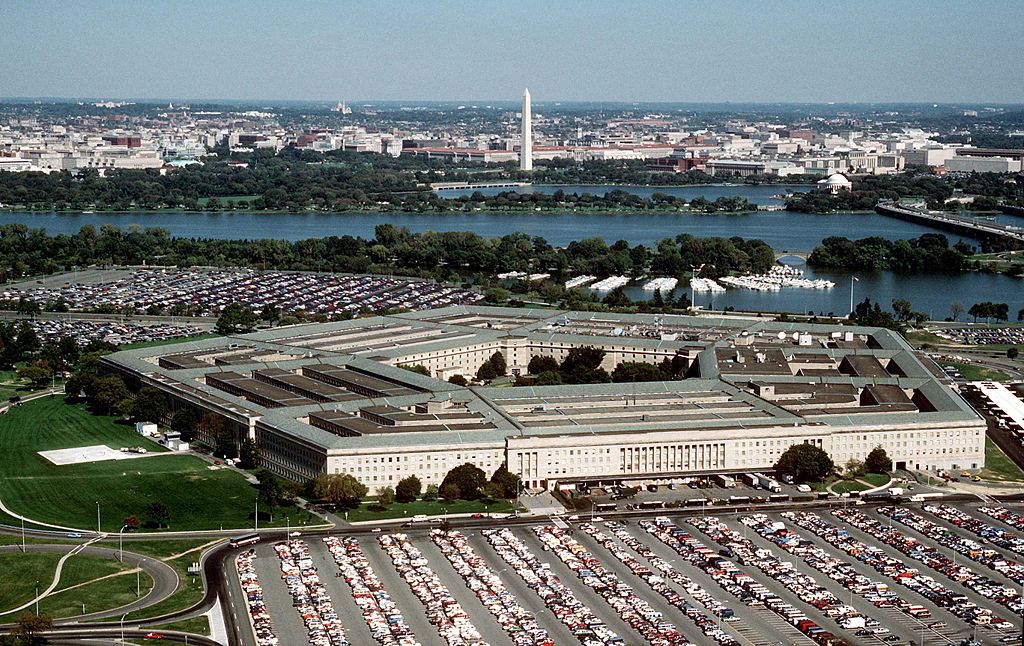
The U.S. Department of Defense is assessing whether to permanently reduce its military presence in the Persian Gulfonce the Iran conflict ends, potentially reshaping Washington’s long-standing security posture in the Middle East.
According to The Washington Post, Pentagon officials are considering whether heavily damaged U.S. military installations should be abandoned instead of rebuilt. The preliminary discussions come after months of Iranian missile and drone attacks inflicted significant damage on American bases across the region.
Before the conflict, the United States maintained roughly 40,000 troops across nearly two dozen sites in the Middle East. The extensive damage has now created an opportunity for defense planners to reconsider that footprint and potentially adopt a smaller, more flexible force structure.
Defense Secretary Pete Hegseth has not ordered a formal review. However, the Pentagon’s policy office, Joint Staff and U.S. Central Command (CENTCOM) are reportedly examining possible changes. The discussions, supported by CENTCOM commander Adm. Bradley Cooper, include moving military forces farther west to reduce their exposure to future missile and drone attacks.
A permanent U.S. military drawdown in the Persian Gulf could have major consequences for regional allies. Gulf countries have long depended on American forces and facilities, including the U.S. Fifth Fleet headquarters in Bahrain, as an important component of regional security. A smaller U.S. footprint could push governments to increase domestic defense spending or pursue new international security partnerships.
The debate also reflects broader questions about U.S. military strategy and global resource allocation. Advocates of reducing Middle East commitments argue that troops, weapons and funding could instead strengthen homeland defense and support efforts to deter strategic competitors such as China.
Before fighting intensified in February, CENTCOM had already evacuated personnel from several vulnerable Gulf facilities because of the growing threat of Iranian attacks. Measures initially introduced as temporary precautions could therefore become permanent.
If the Pentagon ultimately decides against rebuilding damaged bases, the Iran conflict may mark a turning point in America's decades-long military presence in the Persian Gulf.







