


 Trump Open to Pezeshkian Meeting as Iran Tensions Escalate
  S&P 500 Historically Rallies After Midterm Elections, UBS Says
  U.S. Stock Futures Rise Ahead of Trump-Xi Summit, Middle East Risks Weigh
  Vietnam Stocks Join FTSE Emerging Market Indexes, Unlocking Billions in Foreign Investment
  U.S. Dollar Hits Eight-Week High After Fed Rate Hike
  UK, Mauritius Seek Diego Garcia Base Deal
  South Korea to Brief Lawmakers on $350 Billion US Investment Package
  AfD Wins German State Election as Merz’s CDU Hits Historic Low
  Denmark Says Greenland Sovereignty Protected in US Military Deal
  Canada Unveils Bill to Fast-Track Major Resource Projects
  Burnham Eyes UK Leadership Role in AI Ahead of Trump Meeting
  Gold Prices Slip as Strong Dollar and Hawkish Fed Pressure Bullion
  US, Japan and South Korea Back Taiwan Ahead of Trump-Xi Summit
  Trump Scales Back Endangered Species Act Protections
  Europe Jet Fuel Deficit Drives South Korean Imports to Four-Year High
  Oil Prices Rise as U.S.-Iran Talks Fuel Diplomacy Hopes
  US-China Talks Target AI, Tariffs Ahead of Trump-Xi Summit


 Add as a preferred source on Google
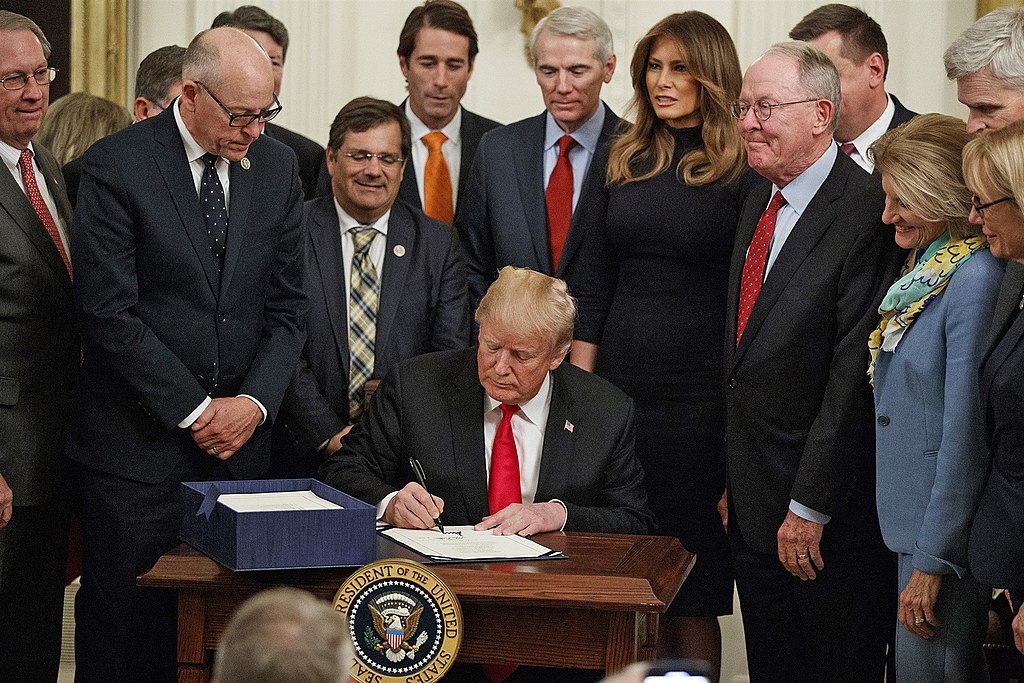
Donald Trump is preparing to reenter the White House in January 2025, with inflation expected to be a top priority on his administration’s economic agenda. After years of record-breaking price hikes under President Joe Biden, Trump’s team is finalizing a comprehensive strategy aimed at reining in inflation and restoring economic stability. While his supporters applaud the plan as overdue, critics are already bracing for its controversial implications.
Focus on Energy Independence
Central to Trump’s inflation strategy is a renewed push for energy independence. Sources close to his economic advisors have revealed plans to accelerate domestic oil and natural gas production, rolling back restrictions implemented during the Biden administration. Trump’s energy-first approach aims to lower fuel costs, which have historically driven inflation across other sectors, such as transportation and food.
During his 2016 presidency, the U.S. achieved energy independence for the first time in decades, and Trump plans to replicate and expand those policies. Analysts predict this move could lead to short-term price reductions at the pump, but environmental groups are already mobilizing against potential rollbacks on green initiatives.
Tax and Regulatory Reform
The Trump administration is also expected to revisit sweeping tax cuts similar to those enacted during his first term. Insiders say tax relief for businesses and middle-income families will be a cornerstone of his economic recovery plan. By lowering corporate taxes, Trump hopes to stimulate investment and boost domestic manufacturing, reducing America’s reliance on imported goods.
In tandem, regulatory reform is expected to be fast-tracked. Trump’s advisors argue that excessive red tape has stifled business growth and innovation, which in turn drives up consumer prices. While proponents see deregulation as a way to unleash economic growth, critics argue it could erode consumer protections.
Tackling Supply Chain Bottlenecks
Another critical component of Trump’s inflation strategy involves fixing supply chain inefficiencies. The COVID-19 pandemic exposed vulnerabilities in global logistics, leading to shortages and rising costs. Trump’s team plans to incentivize companies to relocate manufacturing to the United States, focusing on critical industries such as pharmaceuticals, semiconductors, and food production.
While this approach aligns with Trump’s longstanding “America First” philosophy, it may also lead to tensions with trading partners who could face higher tariffs as a result.
Interest Rates and the Federal Reserve
Trump has previously criticized the Federal Reserve for its handling of interest rate policies, accusing it of exacerbating inflation. As part of his plan, Trump is likely to pressure the Fed into adopting a more pro-growth monetary stance. Speculation is already circulating about potential personnel changes at the Fed to align its policies with Trump’s economic vision.
A Controversial Road Ahead
Supporters of Trump’s inflation plan argue that bold action is needed to address years of economic mismanagement. However, detractors warn that aggressive deregulation, protectionist trade policies, and tax cuts could have unintended consequences, including a widening federal deficit and environmental setbacks.
As the nation prepares for Trump’s second term, his approach to tackling inflation will undoubtedly dominate political and economic discourse. With sweeping changes on the horizon, the impact of his policies on American households and businesses will be closely scrutinized.







