


 Canada Faces 50% U.S. Tariffs as Trade Tensions Threaten USMCA Talks
  US CENTCOM Chief Praises USS Abraham Lincoln Crew Amid Mental Health Concerns
  U.S. Pressures Nations to Choose Sides in AI Race
  Trump Orders Reduction in U.S.-South Korea Military Drills, Citing Kim Jong Un Ties
  Trump Approval Rating Hits Presidency Low as Iran War Concerns Grow
  Erdogan Urges Trump to Resume Iran Talks, Offers Turkey’s Support for Peace Efforts
  South Korea’s Lee Calls for Stronger Defence as US Eyes Reduced Joint Drills
  US Presses Netanyahu to Condemn West Bank Settler Siege
  Trump Envoys Hold Gaza Peace Talks in Cairo as Israeli Strikes Continue
  US Weighs New Sanctions Against Brazil Supreme Court Justice Alexandre de Moraes
  Philippines Confident in U.S. Defense Commitment Despite Middle East Redeployment
  Gaza Zoo Struggles to Save Animals Amid War
  Israeli Airstrike Kills Six Palestinians in Gaza as Trump Peace Plan Stalls
  Morocco Arrests 111 in New Ceuta Migrant Crossing Attempt
  Pentagon Weighs Permanent U.S. Military Drawdown in Persian Gulf
  US Pressures Netanyahu to Condemn West Bank Settler Violence
  US Eyes Refinery Boost as Trump Seeks Relief From High Gas Prices


 Add as a preferred source on Google
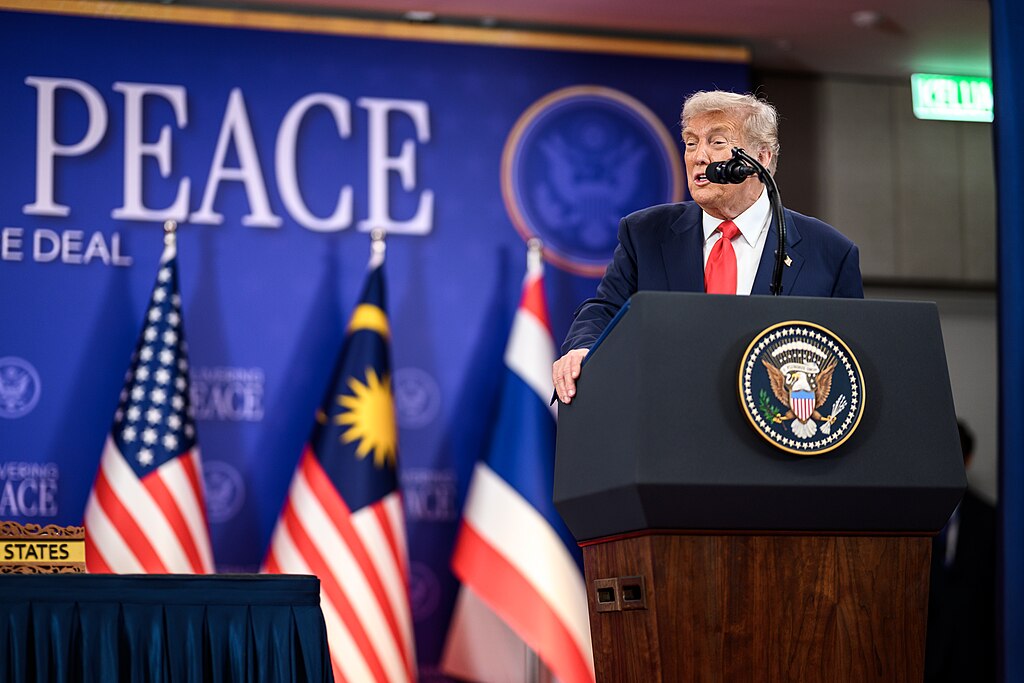
U.S. President Donald Trump said Tuesday that no negotiations with Iran were taking place and insisted the Strait of Hormuz remained open, contradicting Tehran’s claim that the strategic waterway was still closed to shipping.
The diplomatic stalemate has renewed concerns over the nearly six-month U.S.-Iran conflict, pushing oil prices higher while weighing on global stock markets. Borrowing costs in major economies, including the United States, have also climbed to multi-decade highs amid fears over inflation and the conflict’s long-term economic impact.
A temporary ceasefire expired Monday. Trump said on Truth Social that no talks with Iran were underway or scheduled, adding that the U.S. naval blockade remained in effect and that mines in the Strait of Hormuz had been removed or destroyed.
His comments contrasted with remarks from special envoy Jared Kushner, who said Monday that negotiations with Tehran remained active and were more robust than before.
Shipping disruptions also continued despite Trump’s assertion that the Strait of Hormuz was operating. The United Arab Emirates said it detected two Iranian ballistic missiles allegedly targeting maritime traffic, although both fell into the sea. Iran rejected the accusation as baseless.
The UAE subsequently suspended trade and financial transactions with Iran. Meanwhile, the United Kingdom Maritime Trade Operations reported that a vessel leaving the Strait of Hormuz was hit by an unidentified projectile, damaging its engine room and causing a crew casualty.
Iranian officials maintain that the strait will remain closed until Washington meets conditions outlined in a June interim agreement, including lifting oil sanctions, releasing frozen Iranian assets and ending military operations.
Iran has nevertheless signaled that it remains open to negotiations, while stressing it will not accept surrender under military or economic pressure.
The prolonged Iran conflict and uncertainty surrounding the Strait of Hormuz continue to pressure global energy markets. Brent crude, which reached $126 per barrel during the war, settled Tuesday at slightly above $91.
Washington has also warned that additional U.S. sanctions on Iran could follow if diplomatic efforts fail.







