


 Ukraine Names Yevhenii Khmara Defence Minister Amid Election Row
  US CENTCOM Chief Praises USS Abraham Lincoln Crew Amid Mental Health Concerns
  Israel Strikes Syrian Airbase Near Aleppo, Raising Tensions With Turkey
  Israeli Airstrike Kills Six Palestinians in Gaza as Trump Peace Plan Stalls
  US, South Korea Cut Joint Military Drills After Trump Orders Reduced Role
  Trump Says Kim Jong Un Responded to Outreach After US Scales Back South Korea Military Drills
  South Korea’s Lee Calls for Stronger Defence as US Eyes Reduced Joint Drills
  Canada Faces 50% U.S. Tariffs as Trade Tensions Threaten USMCA Talks
  US, South Korea Cut Joint Military Drills as Trump Seeks North Korea Talks
  Trump Pauses 50% Canada Tariffs for Three Days as U.S. Trade Deal Takes Shape
  Trump Says Iran Talks Halted as Strait of Hormuz Dispute Fuels Oil Concerns
  US Eyes Refinery Boost as Trump Seeks Relief From High Gas Prices
  Pentagon Weighs Permanent U.S. Military Drawdown in Persian Gulf
  Trump Approval Rating Hits Presidency Low as Iran War Concerns Grow
  Israel, Syria Discuss Turkey’s Military Presence Before Airstrike
  Gérald Darmanin Backs Édouard Philippe for 2027 French Presidential Election


 Add as a preferred source on Google
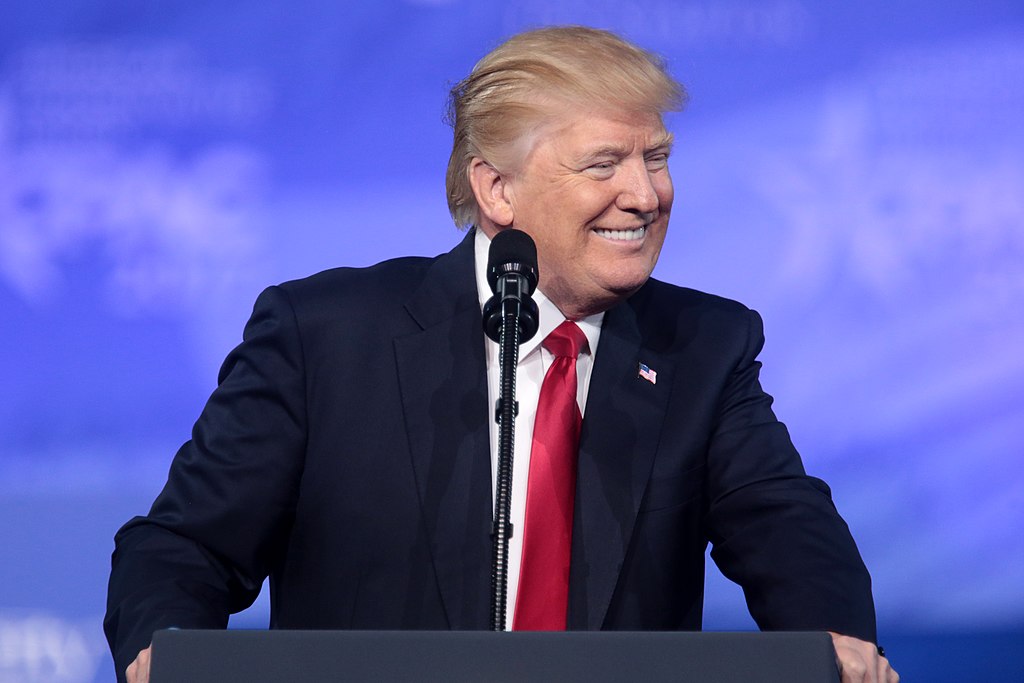
As President Donald Trump embarks on his second term in 2025, his administration is implementing significant changes to the United States' involvement in the North Atlantic Treaty Organization (NATO). These policy shifts are prompting widespread concern among allies and defense experts.
Demand for Increased Defense Spending
A central aspect of Trump's NATO strategy is his insistence that member nations increase their defense expenditures. He has reiterated that the U.S. will not continue to shoulder a disproportionate share of the alliance's financial burden. This stance has led to heightened tensions within NATO, as some member countries struggle to meet the 2% of GDP defense spending target.
Reevaluation of U.S. Military Commitments
The administration is reassessing the deployment of U.S. forces in Europe. Discussions include potential troop reductions in Germany and other NATO countries, aiming to realign military resources with the administration's strategic priorities. Critics argue that such moves could weaken the alliance's deterrence capabilities against adversaries like Russia.
Controversial Statements and Reactions
President Trump's remarks questioning the automatic defense of NATO allies have sparked controversy. He has suggested that U.S. support could be conditional on allies fulfilling their financial obligations. These statements have raised concerns about the reliability of the U.S. commitment to collective defense, a cornerstone of NATO's founding principles.
European Response and Strategic Adjustments
In response to the U.S. policy shifts, European nations are exploring measures to bolster their own defense capabilities. Initiatives include increased defense spending, development of independent military assets, and strengthening regional security collaborations. These efforts aim to reduce reliance on U.S. military support and ensure the continent's security amidst evolving geopolitical dynamics.
Implications for Transatlantic Relations
The administration's approach to NATO is influencing broader transatlantic relations. Allies express concerns about the future of U.S. leadership within the alliance and the potential impact on global security structures. Diplomatic efforts are underway to address these issues and maintain cohesion among member states.
Conclusion
President Trump's 2025 NATO policies represent a significant shift in the United States' approach to the alliance. By demanding increased financial contributions from allies and reevaluating military commitments, the administration seeks to redefine the U.S. role within NATO. These developments are prompting critical discussions about the future of transatlantic security and the resilience of longstanding international partnerships.







