


 Dollar Rises as Fed Hike Bets Weigh on Asian Currencies
  Asian Stocks Rise as Investors Brace for Fed Rate Decision
  Saudi Oil Exports Face 4% Global Supply Threat as Pipeline Remains Shut
  US Futures Fall as Fed Meeting, Oil Surge Rattle Markets
  Oil Prices Fall as U.S. Crude Inventories Rise, Middle East Risks Persist
  Japanese Yen Retreats as Dollar Rises Ahead of Fed, BOJ Rate Decisions
  Goldman Sachs Forecasts Fed Rate Hike as Inflation Risks Rise
  Asian Stocks Steady as AI Shares Rebound Ahead of Fed Decision
  China Home Prices Fall Again as Property Slump Drags on Growth
  China’s Slower Loan Growth Becomes ‘New Normal’ as Credit Demand Weakens
  UK Businesses Urge Government to Cut Electricity Levies
  BOJ Flags Import Costs and Yen Shocks as Persistent Inflation Risks
  Central Banks Could Buy 20,000 Tonnes of Gold: BofA
  Oil Prices Surge as Houthi Attacks Raise Saudi Supply Fears
  Hormuz Vessel Traffic Drops to Single Digits
  Asian Bank Stocks Slide as BofA Warning and Rising Yields Hit Sentiment


 Add as a preferred source on Google
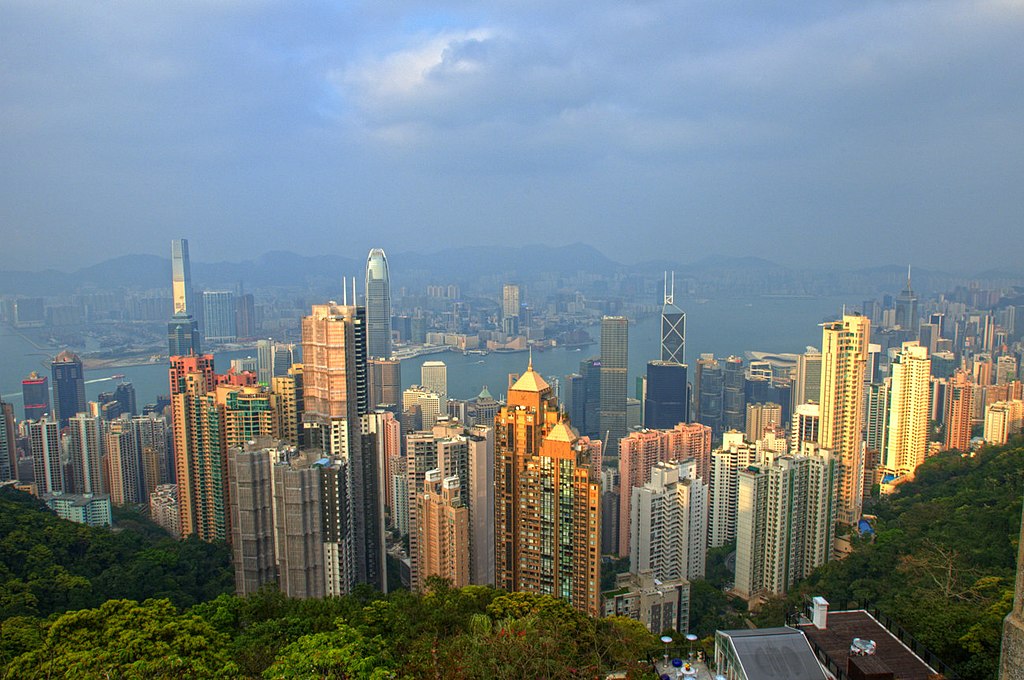
Hong Kong Chief Executive John Lee unveiled the city’s first five-year development plan on Wednesday, outlining measures to strengthen its status as a global financial hub, improve residents’ livelihoods and deepen technology ties with mainland China.
The strategy follows two months of consultations with lawmakers and residents and covers economic growth, investment, housing, employment, education and healthcare. A major priority is accelerating development of the 30,000-hectare Northern Metropolis near the mainland border.
Lee said the Northern Metropolis would serve as a new economic growth engine, creating housing and employment while strengthening Hong Kong’s technology links with mainland China. Once completed, the project is expected to provide homes for about 2.5 million people and generate roughly 650,000 jobs. Plans also include three university campus sites.
Hong Kong’s five-year plan follows Beijing’s approval in March of China’s national development roadmap through 2030. Among Hong Kong’s five main objectives are reinforcing its financial, maritime and trade sectors, accelerating innovation and technology development, and expanding its position as a global offshore renminbi hub.
Lee said Hong Kong would continue acting as a “super connector” while further integrating with China’s Greater Bay Area and aligning with national technology strategies.
Priority industries include artificial intelligence, robotics, microelectronics, advanced manufacturing, new energy and materials, alongside healthcare and lifestyle technologies. The government also aims to strengthen Hong Kong’s role as an international center for legal and dispute resolution services.
The Northern Metropolis project, first announced in 2021, is also intended to address Hong Kong’s longstanding housing shortage and establish a major new business district.
The five-year strategy comes as the city of about 7.5 million continues navigating economic challenges following the COVID-19 pandemic and a prolonged property market downturn, which has weighed on government revenue from land sales.
Lee, who became Hong Kong’s leader in 2022, has focused on economic recovery while his administration has also faced pressure following the Wang Fuk Court fire in Tai Po last November, which killed 168 people and left thousands without homes.







