


 Central Banks Could Buy 20,000 Tonnes of Gold: BofA
  EUR/USD Eyes 1.17 as Fed Decision Could Weigh on Dollar
  Gold Prices Fall as Hot U.S. Inflation Boosts Fed Rate Hike Bets
  China Buys 1 Million Tons of U.S. Soybeans Ahead of Xi Visit
  Asian Stocks Fall as AI Fears and Oil Surge Hit Markets
  Asian Tech Stocks Slide as AI Concerns and Rising Bond Yields Hit Chipmakers
  Global Central Banks Brace for More Rate Hikes as Inflation Risks Rise
  Norway Core Inflation Rises to 3% in August
  U.S. Stock Futures Steady as Oil Tops $100 Ahead of Inflation Data
  White House Weighs Refined Copper Tariffs as Cost Concerns Grow
  German Inflation Accelerates to 2.9% in August
  Gulf Ministers to Meet Iran in Oman Over Hormuz Shipping Deal
  US Treasury Yields Near 5% as Oil Fuels Inflation Fears
  Japan Producer Inflation Eases to 7.6% in August
  BOJ Flags Import Costs and Yen Shocks as Persistent Inflation Risks
  Oil Prices Surge as Houthi Attacks Deepen Hormuz Supply Fears
  Fitch Eyes Japan Budget for Fiscal Discipline


 Add as a preferred source on Google
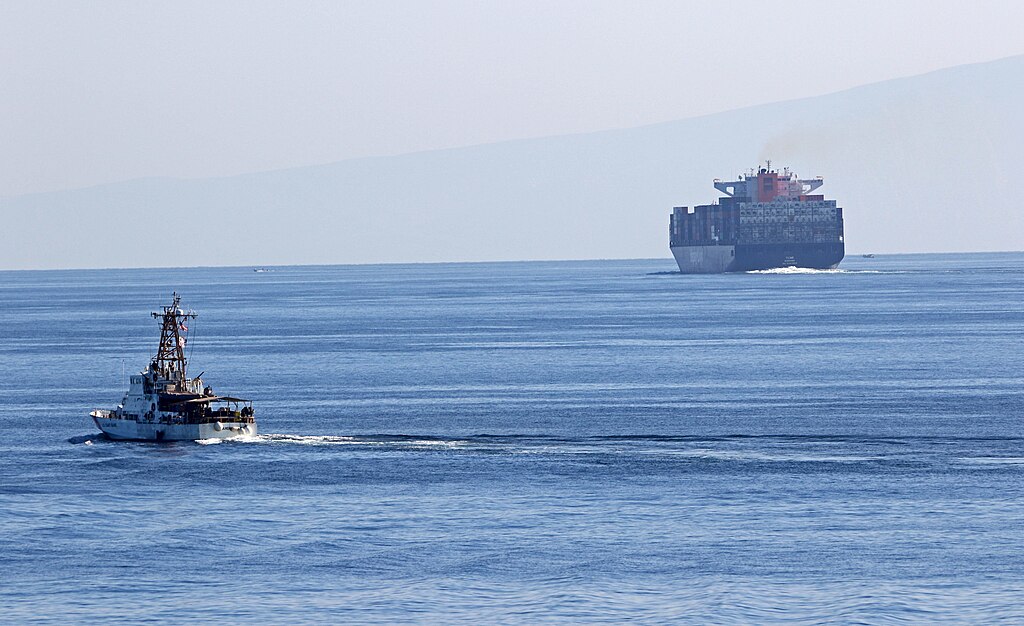
Commodity vessel traffic through the Strait of Hormuz dropped to single-digit daily levels over the weekend, highlighting growing disruption to one of the world’s most important energy and shipping routes.
Preliminary ship-tracking data released Monday showed traffic running well below the 10-day average of 14 vessels per day. Only four commodity vessels exited the Gulf over the weekend, including a Handysize ship sailing in ballast, a Handy vessel carrying liquefied petroleum gas, a Supramax transporting fertilizer and a Suezmax loaded with crude oil or condensate.
Ten vessels entered the Gulf, including ships carrying grain, metals, dry bulk and other minor bulk commodities. However, the figures exclude vessels that may have crossed the Strait of Hormuz with their Automatic Identification System transponders switched off to avoid tracking.
Shipping risks increased further after the United Kingdom Maritime Trade Operations reported that a vessel was hit by an unidentified projectile while passing through the strait early Sunday. The condition of the crew, extent of damage and potential environmental impact remained unclear.
Pressure on regional energy transportation also intensified after Saudi Arabia’s East-West oil pipeline was temporarily shut following a drone attack originating from Iraq, according to Saudi officials. The pipeline had provided an important alternative route as congestion and security risks disrupted Hormuz shipping.
Before the Iran war began on February 28, the Strait of Hormuz typically handled around 125 large commercial vessels daily, including oil tankers, gas carriers, bulk ships and container vessels. The waterway accounted for roughly 20% of global daily crude oil and liquefied natural gas supplies.
Iranian crude exports have also remained halted since a U.S. blockade targeting Iran-linked shipping was reimposed in mid-July.
Meanwhile, traffic through the Bab el-Mandeb strait remained comparatively stable. Tracking data showed 24 commodity vessels crossed on Saturday and 27 on Sunday, versus a 10-day average of approximately 27 ships per day.







