


 Finland Raises 2026 Growth Forecast as Exports and Investment Surge
  Asian Stocks Steady as AI Shares Rebound Ahead of Fed Decision
  Hormuz Vessel Traffic Drops to Single Digits
  Goldman Sachs Forecasts Fed Rate Hike as Inflation Risks Rise
  US Treasury Yields Near 5% as Oil Fuels Inflation Fears
  Oil Prices Surge as Houthi Attacks Raise Saudi Supply Fears
  BOJ Set to Raise Rates to 1.25% as Inflation Risks Build
  Gold Prices Steady as Oil Disruptions Boost Fed Rate Hike Bets
  UK Economy Grows 0.4% in July, Beating Forecasts
  Central Banks Could Buy 20,000 Tonnes of Gold: BofA
  Global Central Banks Brace for More Rate Hikes as Inflation Risks Rise
  Saudi Oil Exports Face 4% Global Supply Threat as Pipeline Remains Shut
  UK Wage Growth Slows as BoE Rate Decision Looms
  China Home Prices Fall Again as Property Slump Drags on Growth
  Gold Prices Fall as Hot U.S. Inflation Boosts Fed Rate Hike Bets


 Add as a preferred source on Google
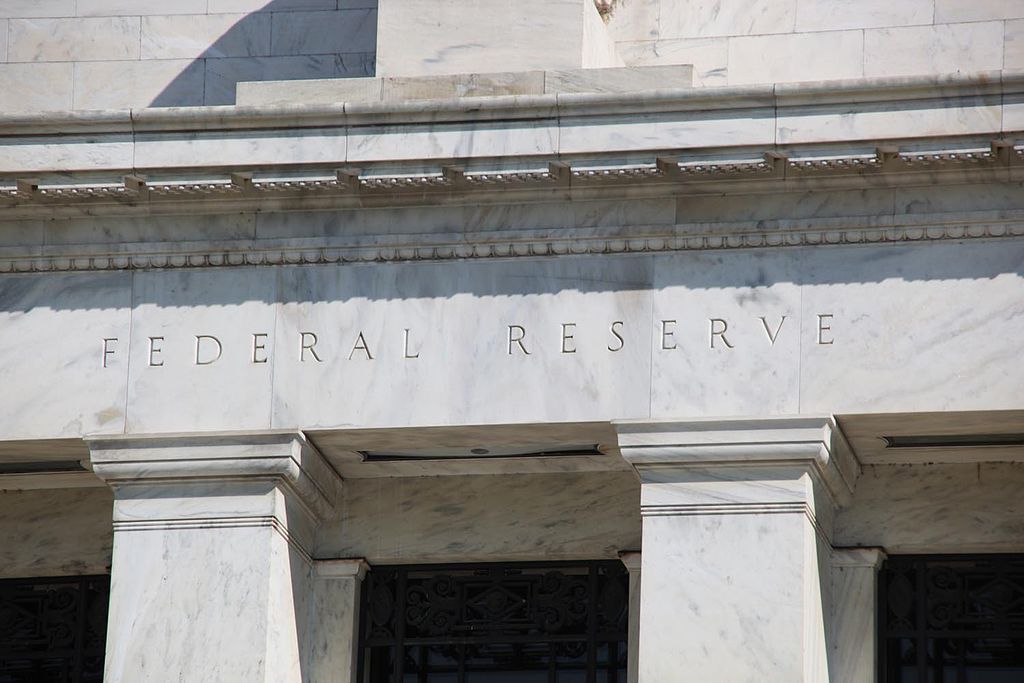
U.S. stock futures moved lower Tuesday as investors prepared for the Federal Reserve’s two-day policy meeting while escalating Middle East tensions pushed oil prices above $105 a barrel and lifted Treasury yields.
Dow futures dropped 266 points, or 0.5%, by 03:20 ET, while S&P 500 futures declined 0.4% and Nasdaq 100 futures fell 0.3%. Wall Street also closed lower Monday as renewed concerns over artificial intelligence weighed heavily on technology shares, sending the Philadelphia semiconductor index to its steepest decline since July.
Bond markets remained under pressure as higher energy costs fueled inflation concerns. The benchmark 10-year U.S. Treasury yield climbed above 5% for the first time since 2023.
Investors are now focused on Wednesday’s Federal Reserve decision. Markets assign roughly a 92% probability to a 25-basis-point rate increase, which would bring the federal funds target range to 3.75%-4%, according to CME FedWatch. Persistent inflation, resilient employment and surging energy prices have strengthened expectations for tighter monetary policy.
Brent crude extended its rally as Middle East supply risks intensified. Fresh Houthi attacks on Saudi Arabia followed last week’s strikes that knocked the kingdom’s east-west oil pipeline offline. Continued disruption around the Strait of Hormuz and threats to shipping through the Bab el-Mandeb have raised concerns that another 4%-5% of global oil supplies could be affected.
AI risks also remained in focus after former Google DeepMind research engineer Bilal Chughtai warned that rapidly advancing artificial intelligence could pose severe dangers to humanity. His comments followed similar concerns from former Anthropic researcher Jacob Coxon and Anthropic CEO Dario Amodei.
Meanwhile, China reported stronger-than-expected industrial production. Output increased 5.2% year-over-year in August, beating forecasts for 4.8% growth and accelerating from July’s 4.5%. Strong overseas demand for electronics components, batteries and networking equipment supported production.
However, China’s broader economy remained under pressure, with fixed-asset investment falling 7.2% through August, slightly worse than the expected 7% decline.







