


 Gold Prices Steady as Oil Disruptions Boost Fed Rate Hike Bets
  Central Banks Could Buy 20,000 Tonnes of Gold: BofA
  Saudi Oil Exports Face 4% Global Supply Threat as Pipeline Remains Shut
  Asian Tech Stocks Slide as AI Concerns and Rising Bond Yields Hit Chipmakers
  Treasury Buyback Fails to Cool Long-Term Yields
  Asian Stocks Slide as Oil Surge Fuels Rate Hike Fears
  Oil Prices Surge as Middle East Shipping Attacks Threaten Supply
  Goldman Sachs Forecasts Fed Rate Hike as Inflation Risks Rise
  Asian Stocks Fall as AI Fears and Oil Surge Hit Markets
  Gold Prices Steady as Hot PPI Boosts Fed Rate Hike Bets
  BOJ Flags Import Costs and Yen Shocks as Persistent Inflation Risks
  EUR/USD Eyes 1.17 as Fed Decision Could Weigh on Dollar
  Houthis Escalate Saudi Attacks as Red Sea Oil Risks Grow
  Japan Producer Inflation Eases to 7.6% in August
  Oil Prices Surge as Houthi Attacks Deepen Hormuz Supply Fears


 Add as a preferred source on Google
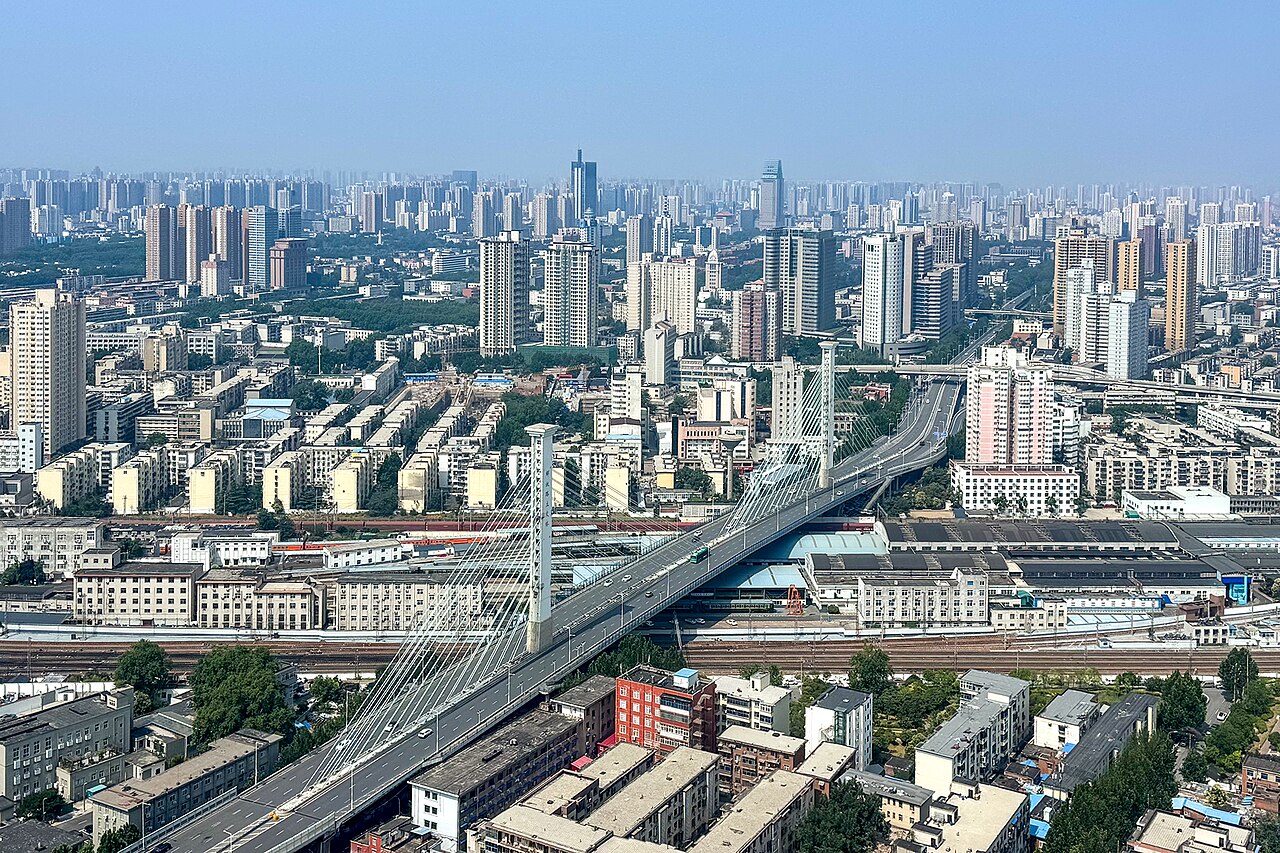
China’s new home prices declined again in August, highlighting persistent weakness in the country’s property market and adding pressure on policymakers to introduce stronger measures to support domestic demand.
New home prices fell 0.1% month over month in August, matching declines recorded in both July and June, according to Reuters calculations based on National Bureau of Statistics data. Compared with a year earlier, prices dropped 3.0%, improving from July’s 3.2% decline and marking the smallest annual decrease so far this year.
Centaline Property chief analyst Zhang Dawei said the narrowing year-over-year declines suggest the prolonged fall in housing prices is being contained and that the market may have moved beyond its most pessimistic stage. However, he cautioned that a nationwide recovery remains unlikely in the near term.
Housing conditions varied significantly by city. New home prices in China’s tier-one cities increased 0.1% from July, reversing the previous monthly decline. Tier-two and tier-three cities continued to record falling prices, while resale prices in major tier-one markets also showed improvement.
Beijing has rolled out measures aimed at stabilizing China’s real estate sector. Authorities are encouraging developers to move away from the presale model, which came under scrutiny after financially troubled builders failed to complete some prepaid homes. Regulators have also increased the maximum mortgage term from 30 to 40 years.
Despite these efforts, housing demand remains weak. Property sales, investment and new construction starts all fell during the first eight months of the year. Household loans, including mortgages, contracted by 202.9 billion yuan ($30.2 billion) in August after shrinking by 460.3 billion yuan in July.
China’s economy grew 4.3% in the second quarter, with weak consumption and investment leaving growth increasingly dependent on external demand.
Oxford Economics senior economist Sheana Yue expects the housing downturn to persist through the current Five-Year Plan, with residential investment unlikely to recover until 2031. The firm lowered its 2027 China growth forecast to 4.3%, citing the prolonged property slump.
The latest figures reinforce calls for more aggressive stimulus as China seeks to restore homebuyer confidence, revive consumer spending and reduce the property sector’s drag on economic growth.







