


 Norway Core Inflation Rises to 3% in August
  Central Banks Could Buy 20,000 Tonnes of Gold: BofA
  Japan Producer Inflation Eases to 7.6% in August
  Gold Prices Fall as Hot U.S. Inflation Boosts Fed Rate Hike Bets
  Asian Currencies Subdued as Yen Weakens Ahead of Fed, BOJ Decisions
  White House Weighs Refined Copper Tariffs as Cost Concerns Grow
  US Treasury Yields Near 5% as Oil Fuels Inflation Fears
  Hormuz Vessel Traffic Drops to Single Digits
  Oil Prices Surge as Middle East Shipping Attacks Threaten Supply
  EUR/USD Eyes 1.17 as Fed Decision Could Weigh on Dollar
  Treasury Buyback Fails to Cool Long-Term Yields
  UK Economy Grows 0.4% in July, Beating Forecasts
  Asian Currencies Steady as Yen Holds Firm, Oil Tops $100
  U.S. Stock Futures Steady as Oil Tops $100 Ahead of Inflation Data
  Fitch Eyes Japan Budget for Fiscal Discipline


 Add as a preferred source on Google
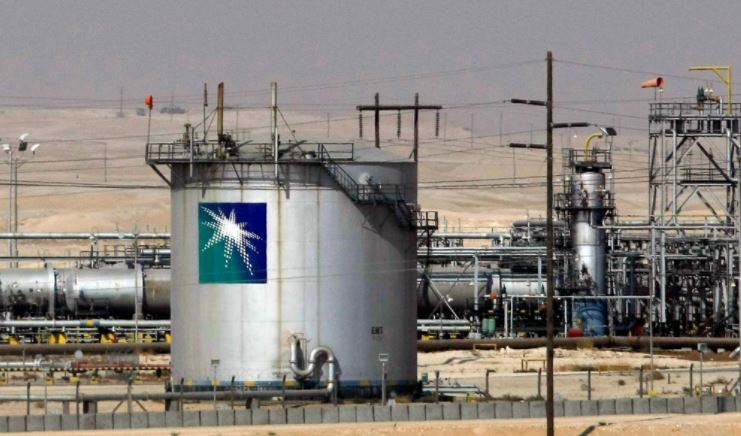
Saudi Arabia could run short of oil inventories available for export within days unless it restarts its critical east-west pipeline to the Red Sea, potentially removing about 4% of global oil supply, according to oil buyers and traders.
The pipeline was shut on Friday following drone attacks, cutting a vital route Saudi Arabia has relied on to bypass the wartime disruption of the Strait of Hormuz. Riyadh has yet to disclose the full extent of the damage or provide a timeline for restarting operations.
Industry estimates vary significantly. One source said repairs could take five to six weeks, while another suggested the pipeline could return sooner, potentially operating at reduced capacity while restoration work continues.
The east-west pipeline has allowed Saudi Arabia, the world's largest oil exporter, to redirect roughly 4 million barrels per day to the Red Sea port of Yanbu. However, three industry sources said Yanbu currently has enough stored crude to sustain exports for only five to seven days.
Saudi Arabia can also supply customers temporarily from Egypt's Ain Sukhna and Sidi Kerir terminals. Industry estimates put storage capacity at about 35 million barrels in Yanbu, 18 million barrels in Ain Sukhna and 20 million barrels in Sidi Kerir. Those facilities are not fully stocked, meaning inventories will eventually be depleted if pipeline operations remain suspended.
The disruption threatens to intensify an already severe global oil supply crunch. Brent crude was trading around $107.73 per barrel, up nearly 3%, as supply concerns pushed fuel prices higher and added to global inflation pressures.
The International Energy Agency said Saudi oil supply fell to a more than three-decade low in August. The agency expects global oil supply to decline by 5.7 million barrels per day, or roughly 6%, this year.
Saudi Arabia told OPEC that production dropped to 6.2 million barrels per day in August from 10.9 million in February. Meanwhile, oil flows through the Strait of Hormuz have fallen to an estimated 6 million to 9 million barrels per day, compared with roughly 22 million barrels per day previously supplied by the Middle East.







