


 UK Wage Growth Slows as BoE Rate Decision Looms
  China Home Prices Fall Again as Property Slump Drags on Growth
  Goldman Sachs Forecasts Fed Rate Hike as Inflation Risks Rise
  Houthis Escalate Saudi Attacks as Red Sea Oil Risks Grow
  Oil Prices Surge as Houthi Attacks Raise Saudi Supply Fears
  US Futures Fall as Fed Meeting, Oil Surge Rattle Markets
  Dollar Rises as Fed Hike Bets Weigh on Asian Currencies
  Saudi Oil Exports Face 4% Global Supply Threat as Pipeline Remains Shut
  Gold Prices Slip as Fed Rate Hike Looms, Treasury Yields Rise
  Japanese Yen Retreats as Dollar Rises Ahead of Fed, BOJ Rate Decisions
  Asian Bank Stocks Slide as BofA Warning and Rising Yields Hit Sentiment
  Finland Raises 2026 Growth Forecast as Exports and Investment Surge
  US Stock Futures Rise as Markets Brace for Fed Rate Hike
  EUR/USD Eyes 1.17 as Fed Decision Could Weigh on Dollar
  Oil Prices Surge as Houthi Attacks Deepen Hormuz Supply Fears
  China’s Slower Loan Growth Becomes ‘New Normal’ as Credit Demand Weakens


 Add as a preferred source on Google
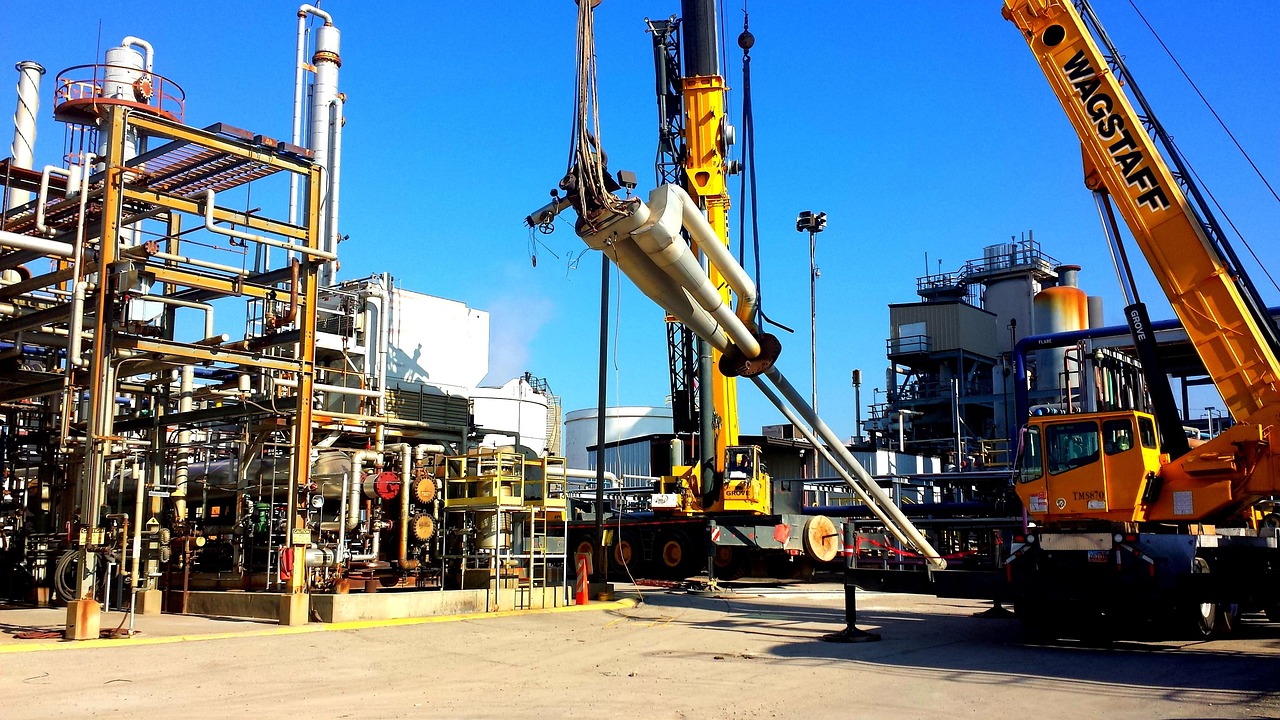
Oil prices declined on Wednesday after industry data showed an unexpected increase in U.S. crude inventories, offsetting concerns over worsening Middle East supply disruptions and Saudi Arabia’s suspension of loadings at a major export port.
Brent crude futures fell 0.75% to $107.94 a barrel by 00:04 ET (04:04 GMT), while West Texas Intermediate crude futures dropped 1.1% to $104.70. The pullback also reflected profit-taking after crude prices surged in recent weeks amid escalating Houthi-Saudi tensions and restricted oil flows through the Strait of Hormuz.
American Petroleum Institute data showed U.S. crude stockpiles increased by 7.14 million barrels in the week ended September 11, sharply contrasting with expectations for a 1.8 million-barrel decline. Traders are now awaiting official U.S. inventory figures due later Wednesday.
The stockpile increase may partly reflect continued releases from the U.S. Strategic Petroleum Reserve. Energy Information Administration data showed the SPR has fallen by nearly 130 million barrels so far in 2026, reaching 285.36 million barrels.
Despite Wednesday’s losses, Middle East supply risks continued to support oil prices near annual highs. Saudi Arabia reportedly halted loadings at its Yanbu port after shutting the East-West pipeline following attacks by Yemen’s Iran-aligned Houthis.
Saudi authorities also said they intercepted a drone south of Mecca early Wednesday. The Houthis have strengthened positions near the Red Sea, increasing their ability to target tankers around the Bab el-Mandeb strait. Their attacks are expected to disrupt roughly 4% to 5% of global oil supplies.
Meanwhile, the ongoing U.S.-Iran standoff has kept Strait of Hormuz oil flows well below prewar levels, maintaining a significant geopolitical risk premium.
Brent crude remains nearly 4% higher this week after gaining about 8% in each of the previous two weeks. Traders are also watching the Federal Reserve’s policy decision later Wednesday, with markets widely expecting an interest-rate hike that could influence the U.S. dollar, economic outlook and crude oil demand.







