


 US Plans Two New Military Bases in Greenland Under Arctic Deal
  Taiwan Vows to Advance US Arms Sales Ahead of Trump-Xi Meeting
  Canada Unveils Bill to Fast-Track Major Resource Projects
  Trump Board of Peace Unveils $2.45 Billion Gaza Recovery Plan
  Trump Says ‘Freedom’ Is Coming to Cuba
  Carney Condemns Belleville Synagogue Shooting That Wounded Police Officer
  Trump to Press Xi on Release of US Nuclear Expert Held in China
  Trump Administration Prepares Sanctions Against Entire ICC
  Lula and Flavio Bolsonaro Tied in Brazil Runoff Poll
  Trump Scales Back Endangered Species Act Protections
  Iran Vows ‘Crushing’ Response as US Talks Continue
  Burnham Eyes UK Leadership Role in AI Ahead of Trump Meeting
  Trump Meets Venezuela’s Delcy Rodriguez at UN Assembly
  Trump Says U.S.-Iran Peace Deal Near After UN Talks
  Lula Meets Mamdani in New York as Elections Approach
  Scott Bessent Eyed as Trump’s New AI Czar
  Paramount-Warner Bros $110 Billion Deal Draws Antitrust Backlash


 Add as a preferred source on Google
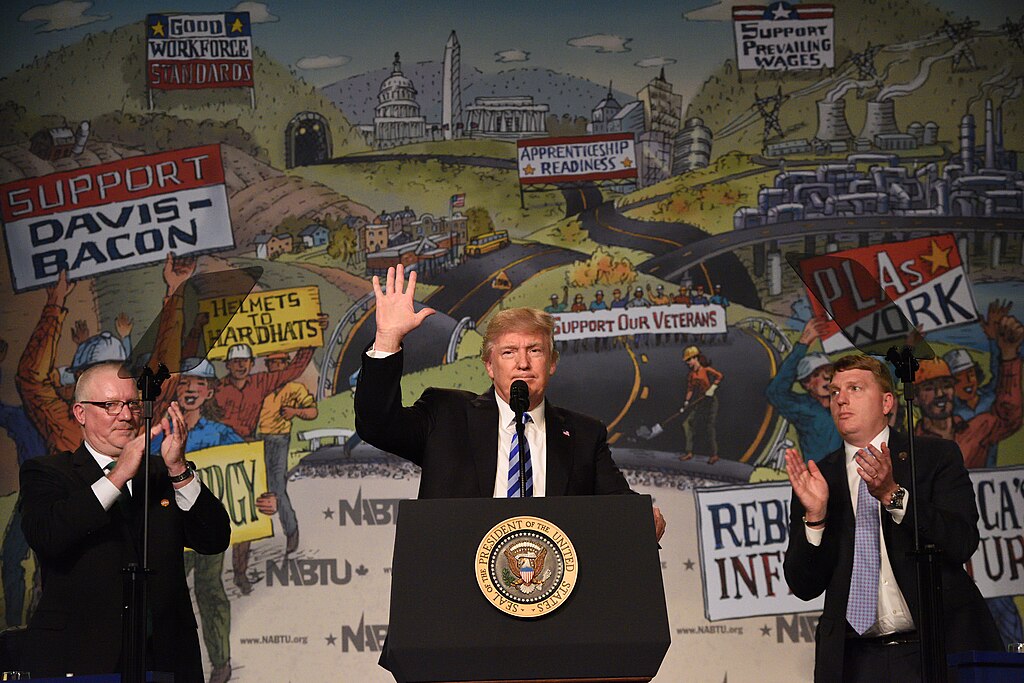
A whistleblower has come forward with allegations that former FBI Director James Comey authorized covert operatives to infiltrate Donald Trump’s 2016 presidential campaign, allegedly embedding “honey pot” spies within Trump’s team. These operatives reportedly traveled alongside Trump and his staff during campaign events, purportedly to gather intelligence on the then-presidential candidate’s inner circle. This accusation has sparked significant controversy, with critics questioning the ethics and legality of such tactics if proven true.
The whistleblower, whose identity remains confidential, claimed in testimony that Comey initiated an "off-the-books" operation designed to monitor Trump’s activities and associates. These alleged efforts, described as predating the FBI’s formal investigation into Trump’s ties with Russia, reportedly included using undercover agents to pose as supporters or aides who would gather intelligence from within the campaign. The accusation centers around the use of "honey pot" tactics, a term for covert operatives who aim to cultivate close relationships to elicit information or influence their targets. If substantiated, these actions could raise concerns over potential misuse of FBI resources and tactics for political surveillance.
Legal and ethical implications of such operations are now under scrutiny. Critics argue that deploying “honey pot” agents to shadow a presidential candidate could violate legal boundaries and infringe on civil liberties. Former FBI officials and legal experts note that such methods, if deployed without oversight, could be seen as an abuse of the FBI’s authority. Others argue that the FBI has historically engaged in undercover operations to protect national security, though often with more publicized oversight and regulation.
Comey’s tenure as FBI director has been marred by criticism from both sides of the political aisle. While his decisions during the 2016 election cycle—most notably his statements regarding investigations into Hillary Clinton’s emails—were heavily scrutinized, the emergence of this whistleblower testimony adds another layer of controversy to his legacy. Comey has yet to comment on these new allegations, and current FBI representatives have declined to provide specific responses, citing agency policy on ongoing reviews.
In Congress, key lawmakers have called for a closer look into these claims, with some suggesting that Comey’s alleged actions, if true, point to an unregulated and potentially biased use of FBI surveillance capabilities. The House Judiciary Committee, responsible for oversight of the FBI, is expected to explore the whistleblower’s allegations in upcoming sessions. “If these claims are accurate, this represents an alarming disregard for campaign privacy and legal protocols,” one committee member commented.
Supporters of Comey and the FBI, however, caution against quick judgments. They argue that the agency has an obligation to monitor threats, particularly when it comes to foreign interference in elections. Defenders assert that any involvement of the FBI in campaign settings would likely have aimed to mitigate security risks rather than infringe on civil liberties.
With growing calls for transparency and potential congressional hearings, this whistleblower's statement could have lasting effects on public perceptions of the FBI’s role in politics. The unfolding investigation may reveal further insights into the strategies employed by federal agencies in high-stakes election cycles.







