


 Zelenskiy Meets CIA Chief John Ratcliffe at Ireland’s Shannon Airport
  UK, Mauritius Seek Diego Garcia Base Deal
  US Plans Two New Military Bases in Greenland Under Arctic Deal
  US, Japan and South Korea Back Taiwan Ahead of Trump-Xi Summit
  Macron, Trump Discuss Ukraine-Russia Energy Strike Moratorium
  Carney Condemns Belleville Synagogue Shooting That Wounded Police Officer
  Paramount-Warner Bros $110 Billion Deal Draws Antitrust Backlash
  Trump Meets Venezuela’s Delcy Rodriguez at UN Assembly
  Macron Challenges Trump’s Gaza Peace Claims at UN
  Trump Says U.S.-Iran Peace Deal Near After UN Talks
  Vietnam, US Trade Deal Could Be Signed Soon, To Lam Says
  China Tightens Fentanyl Rules Ahead of Trump-Xi Summit
  Zelenskiy Warns Russia Preparing Major Attack on Ukraine
  Kremlin Says No Grounds Yet for Ukraine Peace Talks
  CNN, MS NOW and Politico Sue Trump Over White House Media Ban
  Marco Rubio to Meet Russia’s Lavrov in New York
  Burnham Eyes UK Leadership Role in AI Ahead of Trump Meeting


 Add as a preferred source on Google
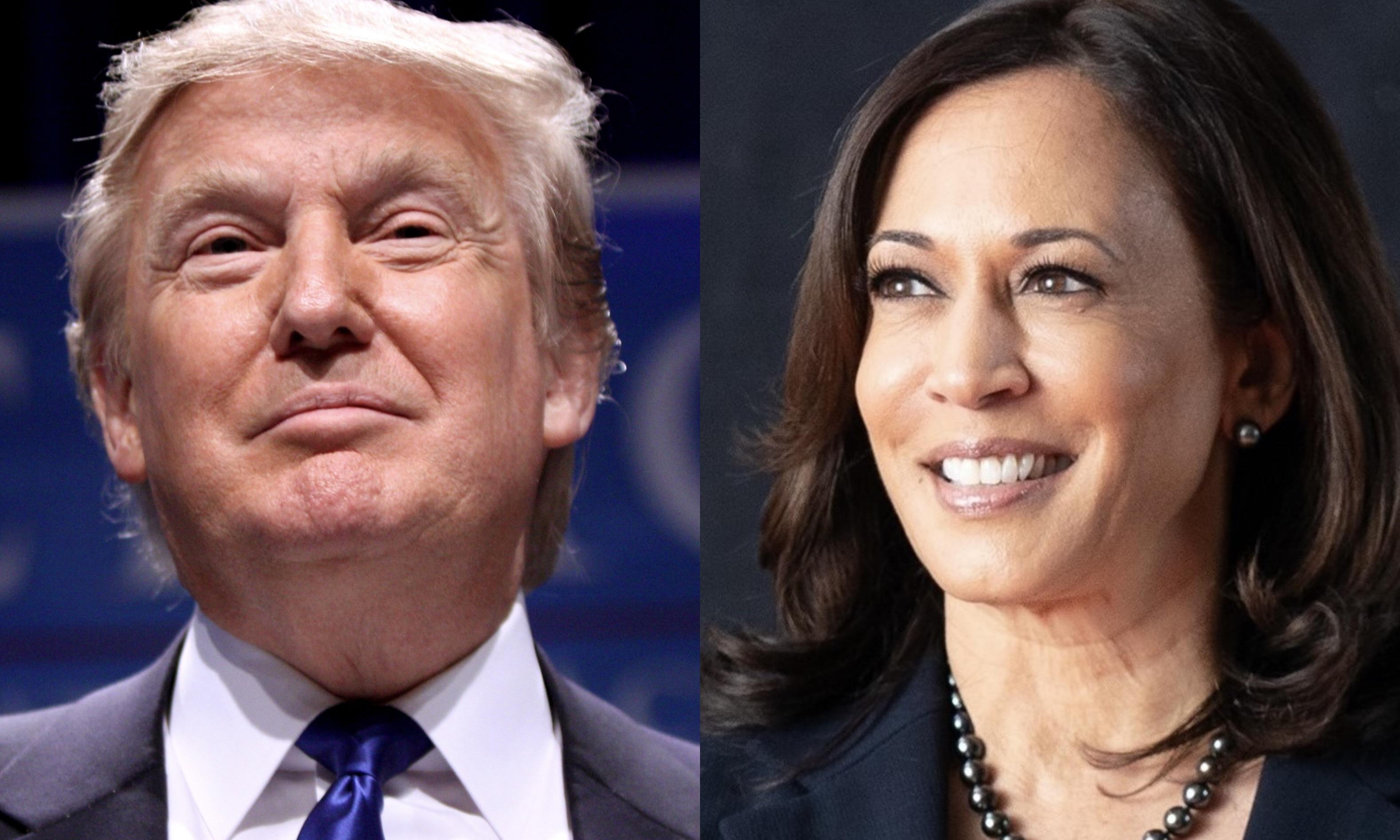
A Supreme Court case emerging from Pennsylvania has sparked national attention as the Republican Party seeks to disqualify thousands of mail-in ballots, potentially altering the course of the 2024 presidential election. The case, titled Genser v. Butler County Board of Elections, hinges on whether voters who initially submitted improperly filed mail-in ballots should be allowed to cast provisional ballots on Election Day.
On October 23, the Pennsylvania Supreme Court ruled narrowly in favor of thousands of Pennsylvanians, voting 4-3 that voters with voided mail-in ballots could cast provisional ballots in person. But just days later, the Republican Party petitioned the U.S. Supreme Court to block that ruling, arguing that allowing these ballots compromises state legislative authority over election laws.
The stakes are high: should the Supreme Court intervene and side with the GOP, the decision could disenfranchise thousands of Pennsylvania voters and potentially shift the state’s crucial electoral votes from Kamala Harris to Donald Trump, depending on the final count. Pennsylvania remains a battleground state in this tight election, and with the GOP challenging the state court’s decision, the repercussions could be significant.
At the center of the controversy is the Independent State Legislature Doctrine (ISLD), a legal theory proposing that only state legislatures hold the power to regulate federal elections, without oversight from state courts or governors. While the Supreme Court has historically rejected the ISLD, recent rulings suggest the door is ajar for its reconsideration. Should the Court side with the GOP in Genser, it would set a precedent that could lead to extensive state legislative control over federal election procedures nationwide.
"This could create unprecedented chaos in U.S. elections, throwing into question which officials have final say over election law," noted election law expert Jeremy Lock. “It’s a power shift that could place American democracy in uncharted waters.”
The Genser case arose from Pennsylvania's strict mail-in ballot regulations, which require a "secrecy envelope" for each mailed vote. Failing to follow this guideline renders the vote void, meaning it cannot legally count. Plaintiffs argue, however, that the Pennsylvania Supreme Court’s decision acknowledges voters’ rights to have a second chance by voting provisionally if their initial attempt was voided due to technicalities.
Election analysts caution that while the exact number of affected voters is unclear, even a small number of disqualified ballots could impact Pennsylvania’s results, should the race be as tight as anticipated. Democrats traditionally have a greater reliance on mail-in ballots, and in 2020, the overwhelming majority of these votes were cast for Joe Biden. While the Republican Party has encouraged more mail-in voting since 2020, the GOP’s argument in Genser suggests they still see an advantage if certain mail-in ballots are voided.
Observers warn that if the U.S. Supreme Court decides in favor of the ISLD, it could grant legislatures sweeping authority to modify election rules without checks and balances. For now, however, the nation watches and waits as the court deliberates on an issue with potentially game-changing implications for the 2024 election.
This case highlights the razor-thin margins and legal complexities that characterize modern U.S. elections. A Supreme Court ruling in favor of the GOP’s position could not only impact the outcome of this election but also redefine the boundaries of electoral power for future generations.







