


 Standard Chartered Expands Hedge Fund Access for Wealth Clients
  Samsung Shares Rise on $72 Billion Shareholder Return Plan
  Toyota, Honda Shares Rise on Possible U.S.-Canada Auto Tariff Cut
  BofA Sees Micron EPS Topping $230 by 2030, Backs Major Stock Upside
  Apple Cuts Over 200 Siri, Vision Pro Jobs in AI Shift
  The importance of teaching students what AI can’t do
  U.S. Pressures Nations to Choose Sides in AI Race
  SpaceX Hires Natural Gas Trader to Meet Growing Energy Needs
  Alphabet Shifts AI Strategy Toward Commercial Growth, Goldman Sachs Says
  Nvidia’s $500 Billion AI Infrastructure Push Wins Morgan Stanley Support
  Moderna Short Sellers Hit With $4.8 Billion Loss as Stock Soars
  Coty Revenue Beats Estimates as Beauty Demand Holds Firm
  Alibaba Shares Fall as AI Spending Hits Profit
  Alphabet Eyes First Australian Dollar Bond as AI Spending Drives Funding Push
  Anthropic Eyes $10B-Plus Credit Line Ahead of Potential IPO


 Add as a preferred source on Google
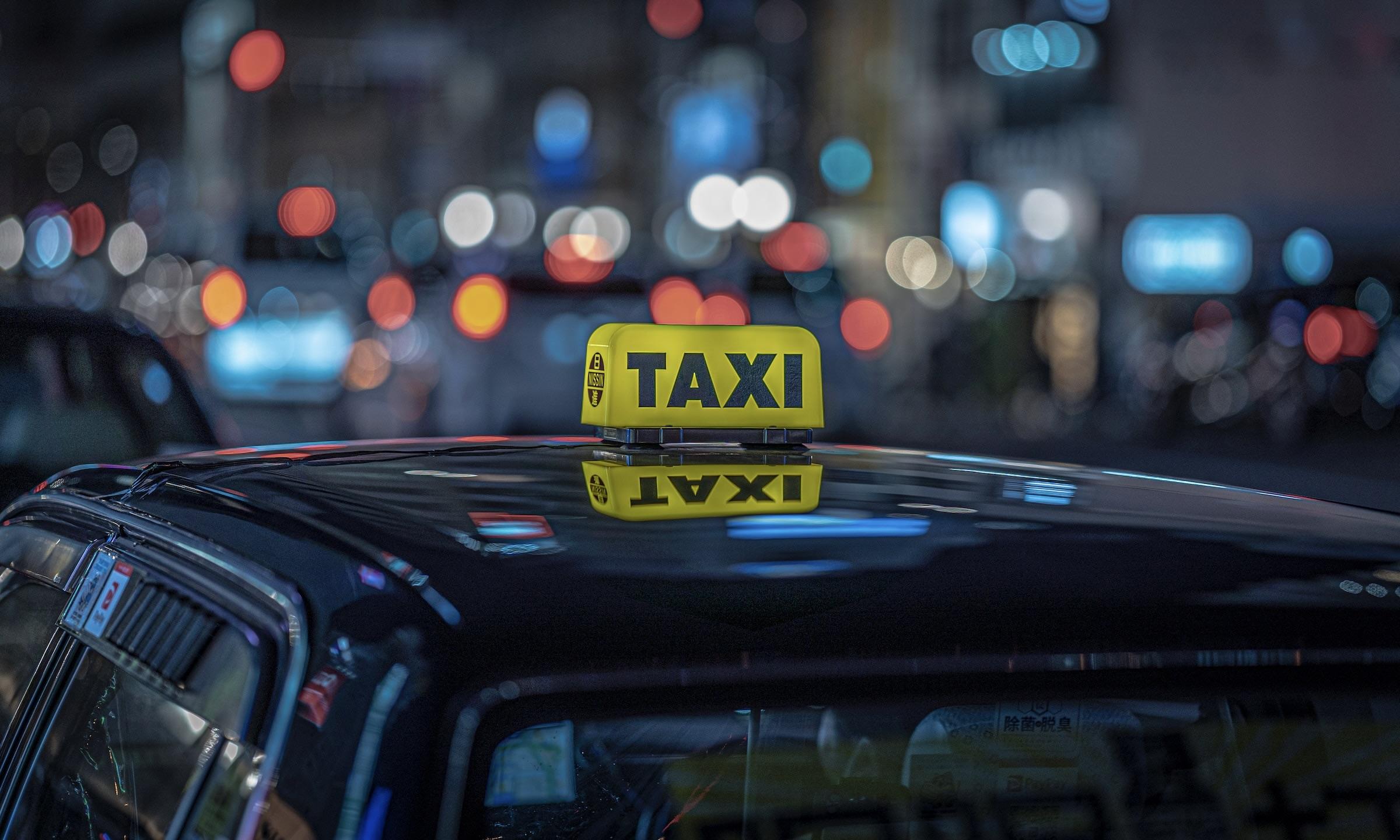
Honda Motor Co. and General Motors Co. are joining forces to launch a driverless taxi service in Tokyo, marking a notable shift towards autonomous and electric technologies in the automotive sector.
With a majority stake held by Honda, the venture will employ self-driving Cruise Origin electric vehicles jointly developed by the two automakers and GM's autonomous driving car unit, Cruise, according to Kyodo News.
Bold Move by Honda and GM
With an anticipated launch in 2024, the Honda-GM joint venture will revolutionize urban transportation in Japan.
A fleet of driverless taxis equipped with cutting-edge technologies will initially operate in central Tokyo and gradually expand to other areas. These vehicles, designed without a driver's seat or steering wheel, offer spacious cabins with two rows of seats, allowing up to six passengers to enjoy face-to-face interactions.
"Japan is famous for its quick embrace of new technologies. With Honda's leadership in the region, we are confident these vehicles can be safely deployed for consumers," GM CEO Mary Barra said while attending the press conference online.
A Reuters report explained that to hail and pay for rides, customers can use a dedicated smartphone app developed specifically for this self-driving taxi service. This innovative transportation option aims to provide a new and exhilarating experience to the commuters of Tokyo.
Advancing the Autonomous Driving Vehicle Industry
The global automobile market is progressively adapting to a paradigm shift characterized by connectivity, autonomy, sharing, and electrification.
With the emergence of CASE (Connected, Autonomous, Shared, and Electric) technologies, automakers worldwide must increasingly emphasize advanced features and novel services. By introducing this driverless taxi joint venture, Honda and GM affirm their dedication to staying at the forefront of automotive innovation.
While driverless taxi services have gained popularity in the United States and China, Japan has faced challenges embracing this revolutionary transportation alternative.
As driver shortages persist and transportation services scale back, Honda and GM's venture will address the growing need for reliable and efficient mobility solutions, particularly in rural areas impacted by diminishing taxi services.
Unveiling Cruise Origin
The autonomous driving vehicles deployed for this service, the Cruise Origin, belong to the Level 4 classification on the autonomy scale, signifying near-complete automation under specific conditions. Honda and GM solidified their commitment to self-driving technology development in 2018, with Honda conducting vehicle tests on public roads this year in Tochigi Prefecture for their autonomous taxi service.
The upcoming Tokyo auto show will showcase Honda's Cruise Origin as part of its groundbreaking advancements.
Photo: masahiro miyagi/Unsplash







