


 Cybersecurity Stocks Tumble After Anthropic's Claude Mythos AI Leak Sparks Market Fears
  TSMC Japan's Second Fab to Produce 3nm Chips by 2028
  Annie Altman Amends Sexual Abuse Lawsuit Against OpenAI CEO Sam Altman
  SpaceX Eyes Historic IPO at $1.75 Trillion Valuation
  Fonterra Admits Anchor Butter "Grass-Fed" Label Misled Consumers After Greenpeace Lawsuit
  Russell 1000 Companies Hit $2.2T Cash Record While Aggressively Reinvesting in Growth
  Brazil Meat Exports Weather Iran War Disruptions With Rerouted Shipments
  RBC Capital: European Medtech Firms Show Minimal Middle East and Energy Risk Exposure
  Novartis to Acquire Biotech Firm Excellergy in $2 Billion Deal
  Jefferies Upgrades Sodexo to Buy With €55 Target After Historic CEO Appointment
  McDonald's and Restaurant Brands International Face Headwinds Amid Iran Conflict and Rising Costs
  Microsoft Eyes $7B Texas Energy Deal to Power AI Data Centers
  BlackRock CEO Larry Fink Earns $37.7 Million in 2025 Amid Record Growth
  Star Entertainment Secures $390M Refinancing Deal to Stabilize Operations
  Chinese Universities with PLA Ties Found Purchasing Restricted U.S. AI Chips Through Super Micro Servers
  Ukrainian Drones and the #MadeByHousewives Movement: Kyiv Fires Back at Rheinmetall CEO
  CTOC Adds 3,000 Doctors, 500 Hospitals Ahead of Liquidity Push


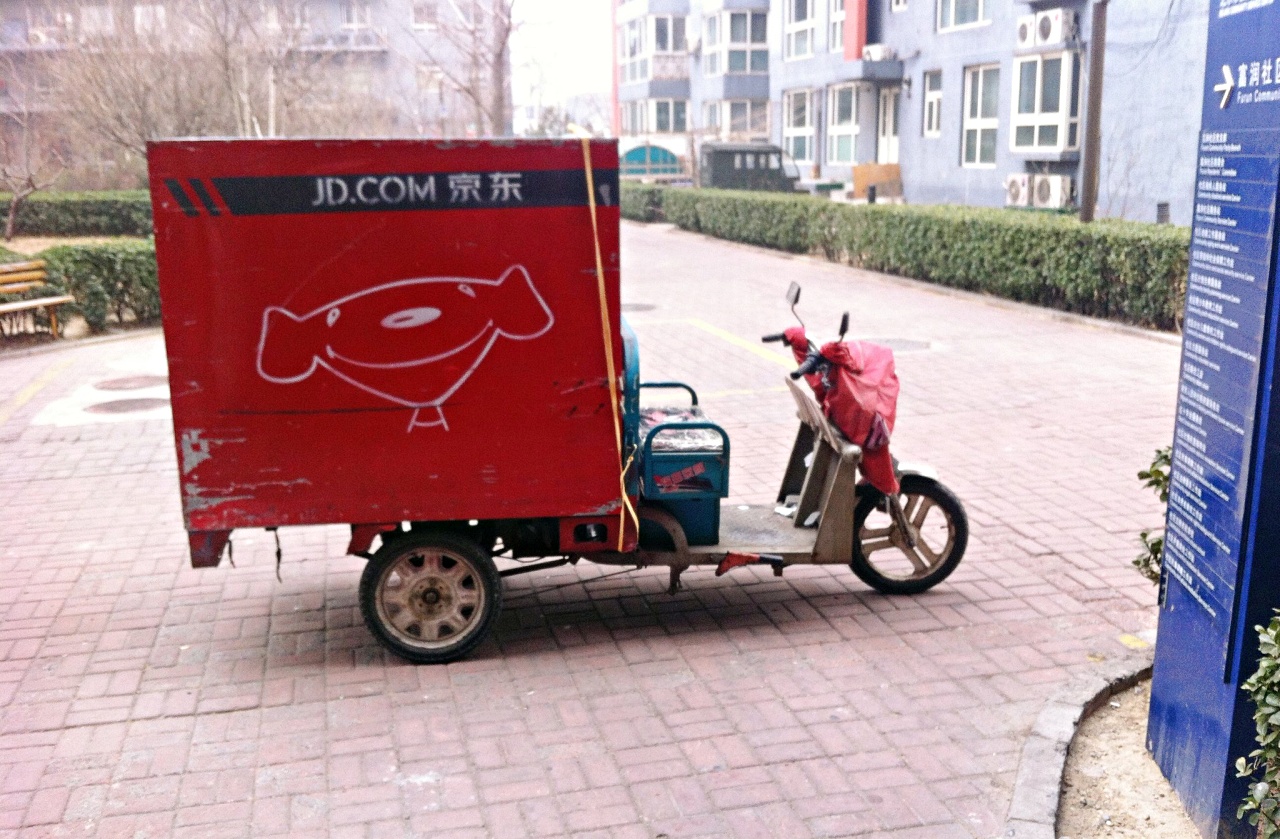
JD.com, one of China’s largest e-commerce companies, has announced a major investment of 22 billion yuan ($3.12 billion) to provide housing support for its courier workforce, highlighting the growing pressure on platforms competing in China’s fast-expanding instant retail market. The pledge was revealed through JD.com’s official WeChat account and comes shortly after a similar commitment from food delivery giant Meituan.
The move reflects intensifying competition among JD.com, Meituan, and Alibaba, which are locked in a fierce battle for dominance in instant retail, a segment focused on delivering goods within one hour. As consumer demand for faster delivery continues to grow, companies are spending billions of yuan on subsidies, discounts, and worker incentives to gain market share. While these strategies attract users, they have also squeezed profit margins and drawn closer attention from regulators.
Chinese authorities have recently summoned JD.com, Meituan, and Alibaba, urging them to curb excessive rivalry and return to what officials describe as “rational competition.” This intervention comes amid rising concerns over market stability and the welfare of delivery workers, who are increasingly bearing the brunt of the competitive pressure.
JD.com stated that it has already provided 28,000 housing units for front-line employees and plans to expand this number to 150,000 units over the next five years. The initiative aims to improve living conditions for couriers, who make up a significant portion of China’s estimated 12 million delivery workers. These couriers are a familiar sight in cities nationwide, navigating traffic on bikes while delivering everything from food and groceries to electronics.
Meituan has also stepped up its efforts, pledging 10 billion yuan over five years to enhance welfare for delivery riders. Its “Rider Apartments” program in major cities such as Beijing, Shenzhen, and Chongqing offers subsidized housing, with rents in some Beijing locations priced at roughly half the market rate.
The challenges faced by delivery workers have gained widespread public attention in China through films, books, and viral social media content. In response, platforms have begun improving social insurance coverage and adjusting incentive systems to reward on-time deliveries rather than punishing delays, signaling a gradual shift toward better protection for gig economy workers.







