


 ASIC Launches Formal Investigation Into KPMG Australia Partners Over Client Data Misuse Allegations
  Samsung Electronics Stock Surges on Report of Massive $59 Billion Share Buyback Plan
  Trump Administration Closes Delta Air Lines Investigation Over 2024 CrowdStrike Outage
  Trump Forced Labour Tariff Plan Faces Criticism as Experts Question Effectiveness
  Pelosi Discloses Major Intel and Uber Call Option Purchases Worth Up to $6 Million
  Trump Team Rejects BBC Financial Data Request in $10B Lawsuit
  Trump Threatens ABC News Lawsuit Over Lincoln Memorial Reflecting Pool Coverage
  Tencent Reviews Marvelous Stake as Gaming Giant Reassesses Global Investment Strategy
  Apollo Debt Solutions Limits Redemptions as Withdrawal Requests Surge
  Italy’s ITA Airways Weighs Legal Action Against Pratt & Whitney Over Grounded Airbus Fleet
  DOJ Opens Investigation Into NYC Coffee Shop Over Anti-Goldman Social Media Post
  Heineken Names JDE Peet’s CEO Rafael Oliveira as New Chief Executive
  Oracle Cuts 21,000 Jobs as AI Reshapes Workforce and Cloud Expansion Accelerates
  Trump Administration Delays DeepSeek and CXMT Trade Blacklist Designations Amid U.S.-China Tensions


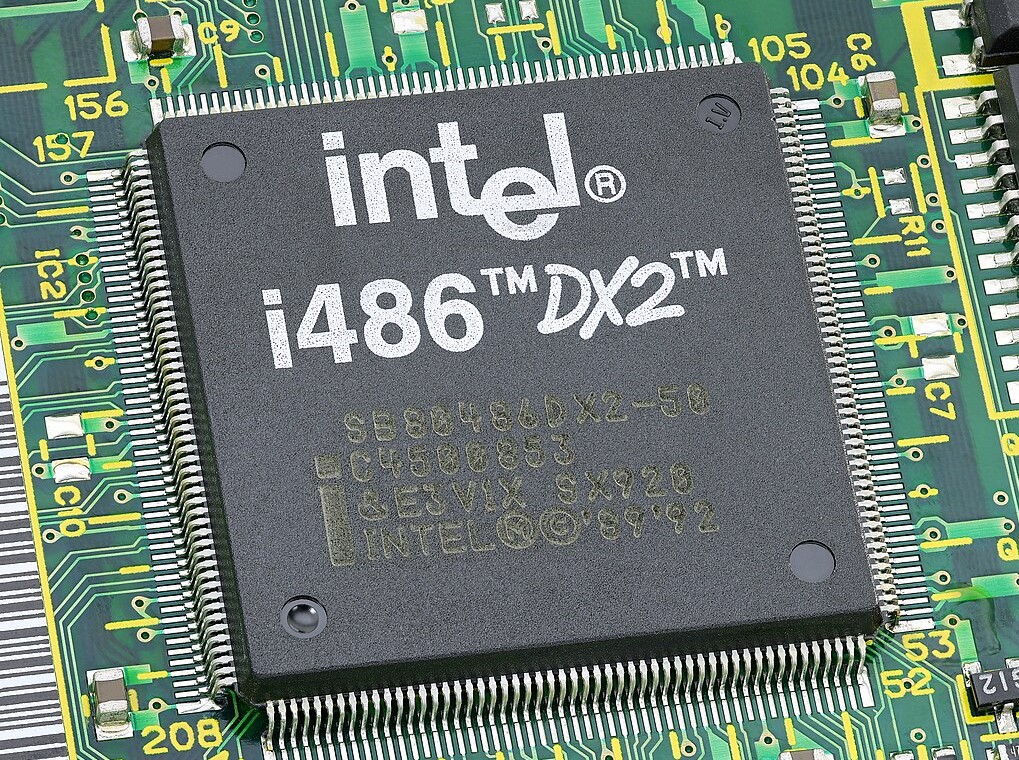
The General Court of the European Union has significantly reduced Intel’s antitrust fine, lowering it from the previously imposed €376 million to €237.1 million ($438 million to $276 million). The ruling, issued Wednesday, marks the latest development in a case that has spanned more than a decade and centers on allegations that Intel engaged in anti-competitive practices to shut out rival chipmaker Advanced Micro Devices (AMD).
In its decision, the Luxembourg-based court stated that the revised amount “is a more appropriate reflection of the gravity and duration of the infringement at issue,” signaling that while Intel’s conduct did violate EU competition rules, the initial financial penalty was higher than warranted. The European Commission, the EU’s primary competition regulator, had reinstated a €376 million fine in 2023 after the same court annulled an earlier and far larger €1.06 billion penalty issued in 2009.
The longstanding dispute focuses on claims that Intel used rebates and incentives to pressure computer manufacturers into limiting or delaying products powered by AMD processors. Regulators argued that such tactics distorted market competition within the semiconductor sector. While the court upheld findings of wrongdoing, it concluded that a recalibrated fine better aligns with the nature and impact of Intel’s actions.
Intel’s renewed challenge sought to overturn the fine entirely, but the court rejected that attempt. The company, one of the world’s largest semiconductor manufacturers, has been engaged in legal battles with EU authorities for years as competition within the global chip market intensifies.
The reduced penalty underscores the EU’s continued scrutiny of dominant tech companies while highlighting the complexity of antitrust cases in rapidly evolving industries. As Intel and AMD remain major forces in the CPU market, the ruling reinforces the importance of maintaining fair competition practices across the tech landscape.







