


 US Waives Iran Sanctions for 60 Days as Peace Talks Advance and Lebanon Sees Calm
  NTSB Investigates Boston Logan Airport Near-Miss Between Delta and American Airlines Jets
  WiseTech Global Denies Knowledge of Investigation Into Founder Richard White
  Russian Air Strikes Injure Six Across Ukraine as Kyiv Issues Air Raid Alert
  NATO Chief Tries to Ease Trump Alliance Dispute
  Alphabet Replaces Verizon in Dow Jones Industrial Average
  NHTSA Investigates Fatal Tesla Model 3 Crash in Texas Amid Ongoing Autopilot and FSD Safety Scrutiny
  How AI prompting turned writerly description into an everyday skill
  Meta Seeks Legal Shield From Child-Harm Lawsuits Amid KOSA Talks
  KPMG Australia Chairman and Senior Partners Exit Amid Escalating Whistleblower Scandal
  Tencent Reviews Marvelous Stake as Gaming Giant Reassesses Global Investment Strategy
  US Delivers $13M Autonomous Maritime Drones to Philippines
  Venezuela Deploys Troops to Crack Down on Illegal Gold Mining Amid Push for Foreign Investment
  Trump Administration Delays DeepSeek and CXMT Trade Blacklist Designations Amid U.S.-China Tensions
  Andy Burnham Emerges as Favorite After Keir Starmer Resigns
  Baseten Secures $1.5 Billion Funding at $13 Billion Valuation Amid AI Infrastructure Boom
  Bessent Says U.S. Must Strengthen Supply Chains and Economic Security


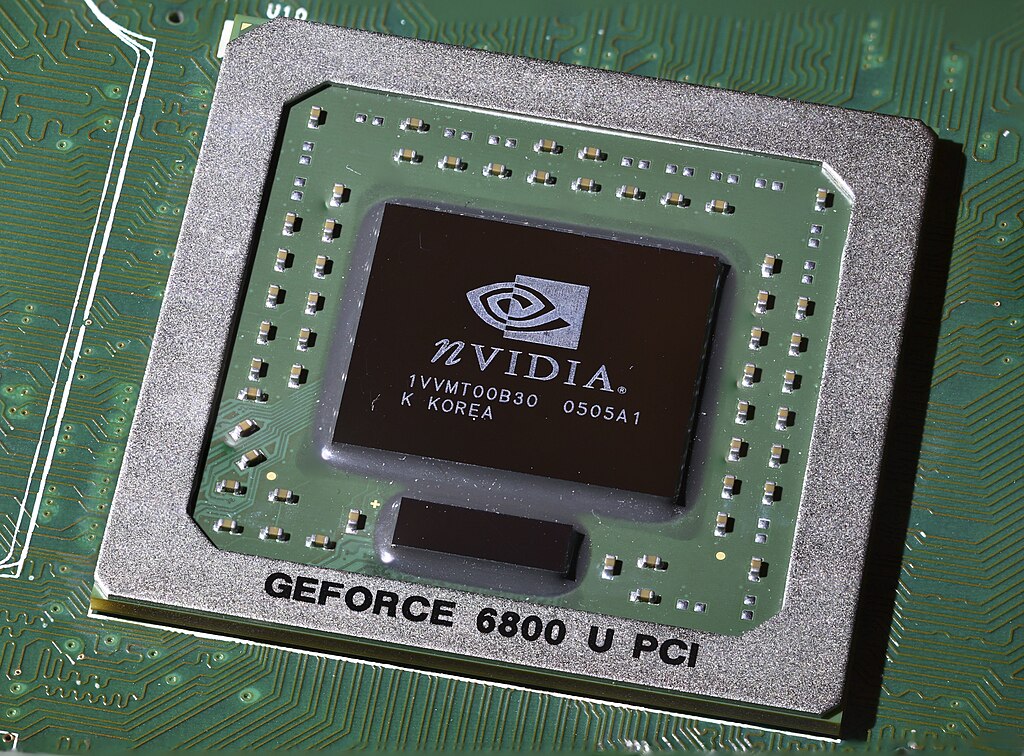
The United States will permit Nvidia’s H200 processors—its second-most advanced artificial intelligence chips—to be exported to China, with a 25% fee applied to each sale. President Donald Trump announced the decision on Truth Social, noting he had informed China’s President Xi Jinping, who “responded positively.” The move aims to strike a balance between protecting U.S. national security and maintaining American leadership in AI chip technology.
Nvidia shares rose after the announcement, signaling investor optimism despite uncertainty over whether Chinese companies will proceed with purchases given Beijing’s push to reduce reliance on U.S. technology. The Commerce Department is finalizing the export conditions, which will also apply to AMD and Intel. According to the White House, the 25% fee will be collected as an import tax from Taiwan—where the chips are manufactured—before U.S. officials conduct a security review prior to re-exporting them to China.
The decision follows ongoing debate in Washington over the risks of supplying China with advanced AI chips that could strengthen its military capabilities. Critics, including several Democratic senators, called the move a significant national security mistake. Analysts note the H200 is nearly six times more powerful than China’s most advanced legally available U.S. chip, the H20, while still slower than Nvidia’s newest Blackwell architecture, which remains restricted.
Despite concerns, experts believe Chinese firms will likely still purchase H200 chips due to their performance advantage over domestic alternatives. However, Beijing’s stance remains uncertain as China continues to scrutinize U.S. technology for potential security risks and tensions rise over past accusations of backdoor vulnerabilities—claims Nvidia has denied.
The announcement coincided with the U.S. Justice Department revealing it had disrupted a China-linked smuggling ring involved in illegally exporting H100 and H200 chips worth over $160 million, underscoring the high geopolitical stakes surrounding advanced semiconductor technology.







