


 Luxury Car Sales in the Middle East Take a Hit Amid Iran War
  Norma Group Posts Revenue Decline in 2025, Eyes Modest Recovery in 2026
  KPMG UK Cuts 440 Audit Jobs Amid Low Attrition and Cooling Professional Services Demand
  Brazil Meat Exports Weather Iran War Disruptions With Rerouted Shipments
  Ukrainian Drones and the #MadeByHousewives Movement: Kyiv Fires Back at Rheinmetall CEO
  BlackRock CEO Larry Fink Earns $37.7 Million in 2025 Amid Record Growth
  Star Entertainment Secures $390M Refinancing Deal to Stabilize Operations
  SpaceX Eyes Historic IPO at $1.75 Trillion Valuation
  Fonterra Admits Anchor Butter "Grass-Fed" Label Misled Consumers After Greenpeace Lawsuit
  Annie Altman Amends Sexual Abuse Lawsuit Against OpenAI CEO Sam Altman
  Microsoft Eyes $7B Texas Energy Deal to Power AI Data Centers
  CTOC Adds 3,000 Doctors, 500 Hospitals Ahead of Liquidity Push
  Nomura Upgrades PDD Holdings to Buy, Calls Stock Too Cheap to Ignore
  Chinese Universities with PLA Ties Found Purchasing Restricted U.S. AI Chips Through Super Micro Servers
  Bank of America's $72.5M Epstein Settlement: What You Need to Know
  Russell 1000 Companies Hit $2.2T Cash Record While Aggressively Reinvesting in Growth
  Novartis to Acquire Biotech Firm Excellergy in $2 Billion Deal


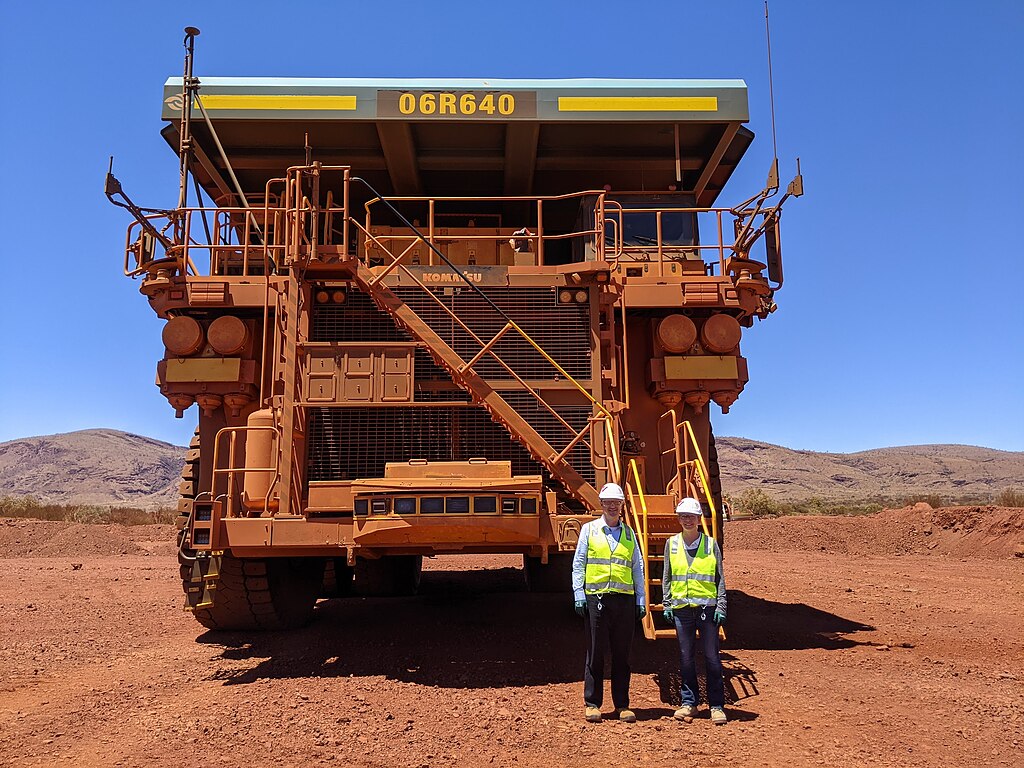
Rio Tinto Ltd (ASX: RIO) announced on Friday that it has signed an interim modernized agreement with the Yinhawangka Aboriginal Group, marking an important step in reshaping how the mining giant operates on Yinhawangka land in Western Australia’s Pilbara region. The agreement updates and builds on the original 2013 native title agreement between the two parties, with both sides working toward a comprehensive, long-term agreement expected to be finalized in 2026.
Under the new interim arrangement, the Yinhawangka Aboriginal Group will have a stronger and more direct role in the planning and operation of Rio Tinto’s mining activities on their traditional lands. This includes closer collaboration on key decisions related to cultural heritage protection, environmental management, and land use. Both Rio Tinto and Yinhawangka representatives emphasized that the agreement is designed to foster greater partnership, transparency, and shared decision-making.
The Yinhawangka people primarily reside in the Pilbara, a globally significant iron ore-producing region that underpins much of Rio Tinto’s Australian operations. The 2013 agreement granted Rio Tinto consent to conduct certain mining activities on Yinhawangka country, while recognizing the group’s native title rights. The updated interim agreement reflects evolving expectations around Indigenous engagement and responsible resource development.
Rio Tinto has faced heightened scrutiny over its relationships with Indigenous communities in recent years, particularly following the 2020 destruction of the Juukan Gorge rock shelters. The blast, which destroyed two ancient and sacred Aboriginal sites, sparked international outrage, led to a parliamentary inquiry, and prompted widespread calls for reform in how mining companies manage cultural heritage.
Against this backdrop, the interim agreement with the Yinhawangka is seen as part of Rio Tinto’s broader efforts to rebuild trust, strengthen community partnerships, and improve its approach to cultural heritage protection. While the agreement is temporary, it signals a shift toward more inclusive governance and sets the foundation for a full, modernized agreement aimed at balancing mining development with the protection of Indigenous rights and cultural values.







